CQC-regulated clinics & online consultations


Posted on August 19, 2024 by Sally-Anne Turner
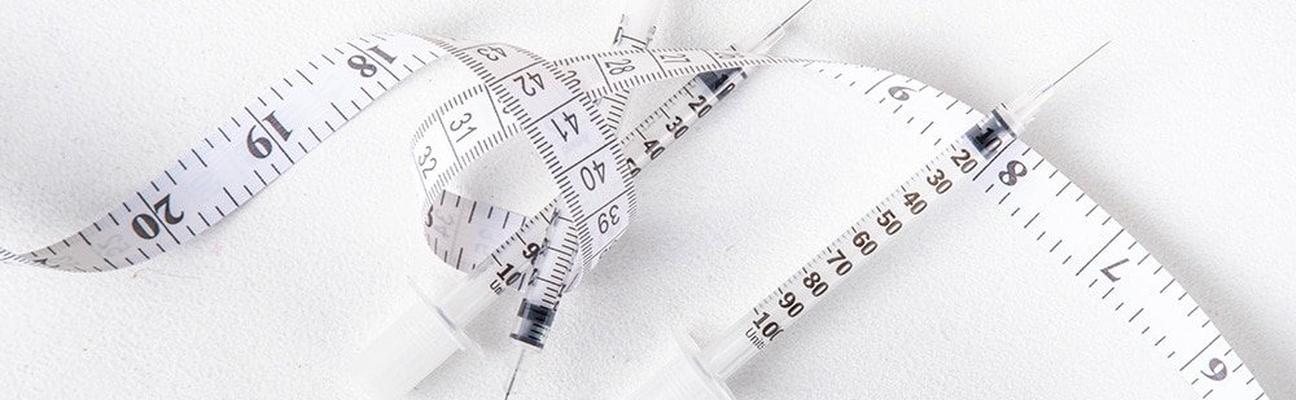
Slimming pens, weight loss jabs, slimming jabs, or weight loss injections: no matter how they are described or marketed, they are susceptible to a ferocious black market causing dangers to desperate buyers. The surge in demand for these treatments, particularly following high-profile celebrity endorsements and media coverage, has created a perfect storm for unscrupulous sellers to exploit vulnerable people seeking effective weight loss solutions. What many don't realise is that behind the glossy Instagram posts and promises of rapid weight loss lies a dangerous trade in counterfeit medications that can cause serious harm or even death.
At Bodyline Clinics, we are terribly concerned about the almost daily news reports of the dangerous side effects and impacts of illegal weight loss medications being sold to unsuspecting people who are looking to lose weight. As a CQC-regulated medical wellness clinic with over 18 years of experience in safe weight management, we've witnessed firsthand the devastating consequences when patients turn to unregulated sources. We've seen individuals rushed to hospital with severe reactions, people who've been scammed out of thousands of pounds, and worst of all, those who've suffered lasting health damage from fake medications containing unknown and potentially lethal substances. The rising tide of counterfeit weight loss injections represents one of the most significant patient safety challenges in the UK today, and it's a crisis that shows no signs of slowing down.
The BBC, helped by scientists at the University of Sunderland, have been investigating the contents of the non-regulated fake slimming pens on the black market. Their findings paint a deeply troubling picture of an industry operating entirely outside of medical safety standards and regulatory oversight. The investigation revealed systematic fraud on a massive scale, with counterfeit products flooding the market through social media channels, unregistered online pharmacies, and even high street beauty salons with no medical credentials whatsoever.
They found the medications were "riddled with toxins", with barely any of the active ingredient, semaglutide, included in the injections, but rather insulin and a selection of "unknown compounds". The presence of insulin in products marketed as semaglutide is particularly alarming because insulin can cause dangerously low blood sugar levels in people who don't have diabetes, potentially leading to seizures, loss of consciousness, brain damage, or death. The "unknown compounds" identified in laboratory testing represent an even greater concern because their effects on the human body are completely unpredictable. Some samples contained bacterial contamination, suggesting they were manufactured in non-sterile conditions, whilst others showed evidence of industrial chemicals that have no place in any medication intended for human use.
That means that those people using the black market weight loss jabs are taking life-threatening counterfeit medications, becoming violently ill and having to be rushed to A&E. Emergency departments across the UK have reported a significant increase in admissions related to counterfeit weight loss medications, with patients presenting with symptoms ranging from severe nausea and vomiting to allergic reactions, infections at injection sites, and life-threatening metabolic disturbances. Some victims have required intensive care treatment, whilst others have been left with permanent health complications. The true scale of the problem is likely much larger than official figures suggest, as many people who experience adverse effects may not seek medical help due to embarrassment or fear of legal consequences.
One thing that the victims of these fake slimming pens all had in common was how they sourced the medication. They used online black market sellers, unqualified beauty salons, and 'friends of friends' to access a prescription medication without a prescription. The typical pathway begins innocuously enough – someone sees before-and-after photos on Instagram or Facebook, receives a recommendation from an acquaintance, or finds what appears to be a legitimate-looking website offering these medications at a fraction of the usual cost. The appeal is understandable: legitimate weight loss injections can be expensive, NHS availability is limited, and the promise of a quick solution to years of weight struggles is incredibly tempting. However, what appears to be a bargain quickly becomes a nightmare when the reality of counterfeit medications becomes apparent.
Medications like semaglutide can legally only be prescribed by qualified and regulated healthcare professionals. They produce the results promised only when used within fully supported weight loss programmes like those at Bodyline Medical Wellness Clinic - one of the only fully trusted providers. The reason these medications require prescription and medical supervision isn't bureaucratic red tape or an attempt to restrict access – it's because they're powerful pharmaceutical agents that affect multiple body systems and can cause serious side effects even when genuine. Semaglutide works by mimicking the hormone GLP-1, which regulates appetite, blood sugar, and digestion. When used correctly under medical supervision, it's highly effective and generally safe. When obtained from illegal sources and used without proper monitoring, the risks multiply exponentially.
So how do you identify which slimming jabs are legitimate and which are illegal? The distinction isn't always immediately obvious, especially when illegal sellers deliberately mimic the appearance of legitimate medical providers. They create professional-looking websites, use medical terminology, and may even provide fake credentials or certifications. Some operate through encrypted messaging apps, making it difficult for authorities to track them down. Others hide behind the veneer of legitimate businesses, such as beauty salons or wellness centres, lending an air of credibility to their illegal operations. Understanding the warning signs and knowing what questions to ask can literally be the difference between safe, effective treatment and a potentially life-threatening mistake.
Well, here is a list of questions you should always ask before purchasing anything that is to be used as a medication, particularly injectables. These questions form a comprehensive safety checklist that every person considering weight loss injections should work through methodically before committing to any provider. Don't let embarrassment, urgency, or the fear of missing out on a "special offer" prevent you from conducting proper due diligence. Legitimate medical providers will welcome these questions and provide clear, verifiable answers. If a provider becomes defensive, evasive, or tries to rush you into making a decision, that's a major red flag that should send you looking elsewhere for treatment.
Let's explore these questions further to make it clear why these are vital for patient safety within a medical weight loss journey. Each of these questions addresses a critical aspect of safe medical practice and helps you distinguish between legitimate healthcare providers and dangerous black market operators. Understanding the reasoning behind each question empowers you to make informed decisions and protects you from the very real dangers of counterfeit medications.
Semaglutide is to be administered through SUBCUTANEOUS INJECTIONS – meaning they must pierce the skin and offer the drug through your bloodstream. This method of administration carries inherent risks even with genuine medications in sterile conditions. You're introducing a substance directly into your body, bypassing many of the natural protective barriers that exist when medications are taken orally. The injection site must be properly cleaned and prepared, the needle must be sterile and used only once, the medication itself must be stored at the correct temperature and handled appropriately, and the injection technique must be correct to avoid complications such as infection, abscess formation, or accidental injection into blood vessels or muscle tissue.
Health and safety are paramount for any medication; however, if you are expected to inject yourself with a needle, ensuring the sterilisation and medical-grade quality of this equipment is about prioritising your life – let alone the contents of what is in the injection. The equipment used for administering weight loss injections must meet stringent medical device standards. Legitimate medications come in pre-filled pens that are manufactured in sterile pharmaceutical facilities, with each component tested and quality-assured. The needles are single-use, ultra-fine, and designed specifically for subcutaneous injection. Black market products, by contrast, may come in unlabelled vials requiring manual drawing up with syringes, may be repackaged from unknown sources, or may even be completely counterfeit products manufactured in unregulated facilities with no quality control whatsoever.
That's why it's crucial to ensure the place you are getting the medications from is kept in check by a regulatory body to ensure safety, verification of medication, and proper medical and healthcare practices. Otherwise, this seller is probably providing the black market, illegal slimming jabs. Regulatory oversight isn't just a box-ticking exercise – it's a comprehensive system designed to protect patients from harm. Regulated providers must demonstrate that they have appropriate facilities, qualified staff, proper storage and handling procedures for medications, systems for monitoring patient safety, processes for reporting adverse events, and insurance to protect patients if something goes wrong. Unregulated sellers have none of these safeguards, leaving you completely exposed if anything goes wrong.
One regulatory body that is important in UK healthcare is the Care Quality Commission, also known as the CQC. They inspect healthcare facilities in the UK, including NHS hospitals, GP practices, and care homes, to ensure companies provide people with "safe, effective, compassionate, high-quality care". The CQC's inspection process is rigorous and comprehensive, examining everything from staff qualifications and training to infection control procedures, medication management, patient consent processes, and clinical outcomes. Providers are rated on five key questions: Are they safe? Are they effective? Are they caring? Are they responsive to people's needs? Are they well-led? Only those meeting stringent standards across all these areas receive a "Good" or "Outstanding" rating.
Bodyline Medical Wellness Clinics is proud to be regulated by the CQC, with all our in-person clinics in the Northwest being rated as 'good'. This rating represents thousands of hours of work by our clinical teams to maintain the highest standards of patient care and safety. It means we've demonstrated to independent inspectors that our facilities are clean and well-maintained, our staff are appropriately qualified and regularly trained, our medications are genuine and properly stored, our clinical protocols are evidence-based and regularly updated, our patient records are comprehensive and secure, and our patients receive consistent, high-quality care. This level of regulatory oversight simply doesn't exist in the black market, where there's no accountability, no inspection, and no recourse if something goes wrong.
We know how important it is to be certified and regulated so we can assure you we offer the highest quality of care when providing prescriptions to lifechanging medications like so-called skinny jabs. Independent suppliers you can contact through Instagram, or websites that do not publish their affiliations with regulatory bodies should be questioned and probably avoided. If a provider cannot or will not provide evidence of their regulatory status, that's an immediate red flag. Legitimate providers will prominently display their CQC registration number, their inspection reports, and their ratings. This information is publicly available and can be verified independently on the CQC website. If you cannot find this information, or if the provider becomes evasive when asked about regulation, walk away immediately.
Note, it is illegal in the UK to sell weight loss medication like semaglutide without a prescription, if they are not qualified to prescribe then they are not offering legitimate semaglutide and you will not be receiving safe weight loss jabs. This isn't a grey area or a technicality – it's a clear-cut criminal offence under the Medicines Act 1968 and the Human Medicines Regulations 2012. People who supply prescription-only medicines without a valid prescription face prosecution, potentially including imprisonment. The fact that someone is willing to break the law to sell you medication should tell you everything you need to know about their priorities and their disregard for your safety. If they're cutting corners on legal requirements, what other corners are they cutting when it comes to the safety and authenticity of the medications themselves?
Using social media or a friend of a friend to source these medications for a small price may seem like a thrifty idea at the time, but it means that it is very tricky to gauge the prescriber's experience, qualifications, and intentions – if they are even qualified to prescribe. The anonymous nature of social media transactions creates the perfect environment for fraud and deception. Profiles can be fake, credentials can be fabricated, testimonials can be invented, and before-and-after photos can be stolen from legitimate sources or digitally manipulated. Once you've transferred money to someone operating through encrypted messaging apps or anonymous payment platforms, there's virtually no way to recover it if the products never arrive or turn out to be fake. Even more concerning is that you have no way of knowing who you're really dealing with or what substances you're actually receiving.
Face to face consultations in person in person or over a secure video call is a very small ask and while this alone does not assure safety, it does offer another layer of measuring legitimacy. A proper consultation should never feel rushed or perfunctory. It should be a comprehensive discussion of your medical history, your weight loss goals, your current health status, any medications you're taking, and your understanding of how the treatment works and what to expect. The prescriber should ask detailed questions about your lifestyle, eating habits, exercise patterns, previous weight loss attempts, and any medical conditions you have or have had in the past. They should explain the medication thoroughly, including how it works, potential side effects, what to do if problems occur, and how it fits into a broader weight management plan. This level of consultation simply cannot happen through a few messages on Instagram or a quick transaction with someone you've never met.
More questions to ponder: Are they clinically trained nursers or doctors, therefore qualified to prescribe? Do the people offering these weight loss injections provide extensive advice, nutritional guidance, and ongoing support? Do they have healthcare and wellness clinics that is regulated, clean, and safe? Do you have a face to face on-line consultation? Or are they offering injectable pens out of a salon, their home, or over social media? In the UK, only certain healthcare professionals are legally permitted to prescribe medications: doctors, dentists (for dental conditions), pharmacist independent prescribers, nurse independent prescribers, and a few other specifically qualified professionals. Anyone else offering to supply prescription medications is breaking the law. You have every right to ask about qualifications and to see evidence of professional registration with bodies such as the General Medical Council (for doctors) or the Nursing and Midwifery Council (for nurses). Legitimate prescribers will be happy to provide this information and will understand why you're asking.
At Bodyline Medical Wellness Clinics, the patient journey is quite clear and transparent from the very first contact. We believe that patients have the right to know exactly what to expect at every stage of their treatment, who they'll be seeing, what qualifications those professionals hold, and what the process involves. This transparency is fundamental to building trust and ensuring patient safety. Our approach has been refined over nearly two decades of clinical practice, treating over 100,000 patients across the UK, and it reflects best practice in medical weight management.
Eligibility to be prescribed so-called skinny jabs like WeGovy (semaglutide) or Mounjaro (tirzepatide) involves several health checkers that exist to ensure these powerful medications are only used by people who genuinely need them and can safely benefit from them. These eligibility criteria aren't arbitrary restrictions designed to prevent access – they're evidence-based guidelines developed after extensive clinical trials involving thousands of patients. They reflect our understanding of who benefits most from these medications and, crucially, who might be harmed by them.
Your BMI is the main qualifier according to the government's Medicines and Healthcare products Regulatory Agency (MHRA) and the National Institute for Health and Care Excellence (NICE). The BMI thresholds for weight loss medication prescription are specifically defined: you must have a BMI of 30 or above (classified as obese), or a BMI of 27 or above (overweight) with at least one weight-related health condition such as type 2 diabetes, high blood pressure, high cholesterol, or obstructive sleep apnoea. These thresholds reflect the point at which the health risks of carrying excess weight outweigh the potential risks of medication, and where clinical trials have demonstrated clear benefits.
You must have a BMI that qualifies you as obese (over 30) or a BMI that qualifies you as overweight (over 27) with weight health related problems like high blood pressure or prediabetes. However, BMI alone doesn't tell the complete story. A comprehensive assessment should also consider your weight distribution (waist circumference is a particularly important indicator of health risk), your body composition (muscle mass versus fat mass), your metabolic health markers, your weight history and previous weight loss attempts, any weight-related health complications you're experiencing, and your overall health status. Someone with a BMI of 29 but significant health complications related to their weight may be a more appropriate candidate for medication than someone with a BMI of 31 but no health issues and who hasn't seriously attempted lifestyle changes.
So, does the slimming jab provider check your BMI further than just asking the question? A proper BMI calculation requires accurate height and weight measurements taken on calibrated equipment. Simply asking "what's your height and weight?" and accepting the answer at face value is inadequate because people often don't know their accurate measurements or may underestimate their weight. Professional assessment involves measuring height using a stadiometer (the medical device with the sliding headpiece you see in clinics), measuring weight on medical-grade scales that are regularly calibrated and tested for accuracy, and calculating BMI using the standard formula (weight in kilograms divided by height in metres squared). Some providers also use more sophisticated body composition analysis to understand the proportion of fat versus muscle.
If they aren't verifying your answer, or even ask the question, it is quite clear they don't care about the answer. Black market sellers often skip eligibility checks entirely because their business model depends on selling to as many people as possible, regardless of whether those people actually need or can safely use the medication. They may sell to people with BMIs in the healthy range who simply want to lose a few pounds for cosmetic reasons, to people with eating disorders for whom appetite suppressants could be dangerous, to people with medical conditions that contraindicate these medications, or even to people who plan to resell the medications to others. This complete disregard for patient safety is one of the clearest indicators that you're dealing with an illegal operation.
Here at Bodyline, we check blood pressure, we measure your height and weight, and we measure your weight circumference. We do this to calculate BMI, but we also like to have other weight health indicators to consider to paint a whole picture. Blood pressure is particularly important because weight loss medications can affect blood pressure, and people with uncontrolled high blood pressure may need their hypertension addressed before starting weight loss treatment. Waist circumference is a valuable indicator of visceral fat – the dangerous fat that accumulates around internal organs and is strongly associated with metabolic health problems. A waist circumference of over 94cm in men or 80cm in women indicates increased health risk, whilst over 102cm in men or 88cm in women indicates substantially increased risk.
Even if you opt for an at-home consultation, we provide fully calibrated weight health kits to weigh yourself, measure your own waist, and check your blood pressure from home. This means we can ensure your health and weight indicators are conducive to the prescriptions even when we don't see you in person. The equipment we provide includes digital scales that we've tested for accuracy, a measuring tape with clear instructions on the correct way to measure waist circumference, and an automatic blood pressure monitor with guidance on proper measurement technique. We ask patients to take multiple measurements and provide us with the results, which we review as part of the consultation process. This ensures that even remote consultations maintain the same rigorous standards as in-person appointments.
We always check your medical history and any current prescription medications before prescribing weight loss treatments to ensure there are no contraindications (medicines that do not work well together), or medical problems that may get in the way. Certain medical conditions make weight loss medications unsuitable or require special precautions: a history of pancreatitis, severe gastrointestinal disease, thyroid cancer or family history of medullary thyroid carcinoma, pregnancy or planning pregnancy, breastfeeding, type 1 diabetes, severe kidney or liver disease, or a history of eating disorders. Similarly, some medications can interact with weight loss treatments, requiring dose adjustments or additional monitoring. A thorough medical history review is essential for safe prescribing.
While black market sellers may ask some questions before sending out the weight loss jabs, this is far from the comprehensive medical check that is required before prescribing this medication. In many cases, illegal sellers conduct no assessment whatsoever beyond asking for payment. Some use automated online questionnaires that can be easily falsified and which no qualified clinician ever reviews. Others rely on self-reported information without any verification or follow-up questions. This approach puts patients at serious risk because it means medications may be supplied to people for whom they're contraindicated, potentially causing serious harm or even death. The absence of proper medical assessment is not just poor practice – it's negligent and potentially criminal.
Advice, guidance, and regular check-ins are vital to ensuring the best possible outcomes of weight loss medications like semaglutide or tirzepatide. These medications are powerful tools, but they're just that – tools. They create a physiological environment that makes weight loss easier by reducing appetite and cravings, but they don't teach you how to eat healthily, they don't provide the nutritional knowledge you need for long-term success, they don't address the psychological and emotional factors that contribute to weight gain, and they don't automatically create the lifestyle habits you'll need to maintain your weight loss after treatment ends. Without proper guidance and support, patients may lose weight while taking the medication but quickly regain it once treatment stops because they haven't developed sustainable healthy habits.
It's one thing to provide medication, but it's another thing to see tangible, sustainable weight loss results. These jabs have to be used alongside a fully supported and holistic diet and exercise regimen, one that can be sustained long after the prescription is done with to avoid piling the weight back on. Clinical trials of weight loss medications consistently show that the best results come when medication is combined with lifestyle interventions including dietary changes, increased physical activity, behavioural strategies for managing eating, and psychological support. Medication alone produces weight loss, but medication plus comprehensive lifestyle support produces significantly greater weight loss that's more likely to be maintained long-term. This is why legitimate medical weight loss programmes always include nutritional guidance, exercise recommendations, and behavioural support alongside medication.
Ongoing consultations with prescribers should also monitor your side effects, your progress, and allow the qualified healthcare providers to titrate the treatment – that is slowly increase the dose to ensure safety and no adverse reactions. Weight loss medications like semaglutide and tirzepatide follow specific dose escalation protocols designed to minimise side effects while building up to the therapeutic dose. Treatment typically starts at a low dose for several weeks, then gradually increases over months until the maintenance dose is reached. This gradual approach allows your body to adjust to the medication and significantly reduces the likelihood of gastrointestinal side effects such as nausea, vomiting, and diarrhoea. Skipping this escalation process and starting at a high dose – something that might happen with black market medications where there's no medical oversight – dramatically increases the risk of severe, intolerable side effects.
Offering the medication, sending through the post, and dropping off a cliff are signs that this provider is not prioritising your health and wellbeing or the reactions to the medications. Regular monitoring should include checking your weight loss progress, assessing for side effects and adjusting treatment if needed, reviewing your blood pressure and other health markers, discussing any challenges you're experiencing with diet or exercise, providing ongoing motivation and support, and planning for the long-term maintenance of your weight loss. At Bodyline, patients typically have check-ins every two to four weeks during treatment, either in person at one of our clinics or via video consultation. These appointments provide accountability, allow us to identify and address problems early, and ensure you're getting the maximum benefit from your treatment programme.
Effective and sustainable weight loss doesn't just happen overnight with medical weight loss injections or skinny jabs. The medications create favourable conditions for weight loss by reducing appetite and cravings, but they work best when combined with meaningful changes to eating habits, activity levels, sleep patterns, stress management, and other lifestyle factors that influence weight. A truly holistic approach recognises that weight is affected by a complex interplay of biological, psychological, social, and environmental factors, and that sustainable weight management requires addressing all these elements rather than focusing solely on medication.
If you have lived with unhealthy habits that prevent you from losing weight for quite some time, then taking an injection once a week will do very little to help you lose weight for good. That means as soon as you stop using the medication, the weight will creep back on and that's a scientific fact. Research consistently shows that weight regain after stopping medication is common unless patients have developed sustainable lifestyle changes during treatment. The medication provides a window of opportunity – a period when appetite is reduced and weight loss is easier – during which patients can learn new eating behaviours, establish regular physical activity habits, develop strategies for managing emotional eating, and build the skills they'll need for long-term weight maintenance. Without taking advantage of this window to create lasting change, the weight loss achieved during treatment is likely to be temporary.
After 17 years of treating obesity and weight health, we know that looking at a person holistically is the only road to sustained success. We've worked with over 100,000 patients during this time, and we've seen clearly what works and what doesn't. The patients who achieve lasting success are those who view medication as part of a broader lifestyle transformation rather than a quick fix. They use the medication to make dietary changes easier to stick to, they gradually increase their physical activity as weight loss improves their mobility and energy, they address psychological factors such as emotional eating or negative body image, and they develop a support network that encourages their healthy changes. Our role is to guide and support this holistic transformation, providing not just medication but education, motivation, accountability, and practical strategies for overcoming obstacles.
That means considering their lifestyle; how active they are day to day, how many calories they eat and should be eating, whether they are a parent, or whether they work from home. Also, it means considering medical history; any heart or cardiovascular problems, joint issues, ability to be active, the medications they take, allergies, and so on. And it means curating a bespoke diet and exercise plan with the patient, to make sure it actually works for them. A parent of young children needs different strategies than a retired person, someone with arthritis needs different exercise recommendations than someone with full mobility, a shift worker needs different meal planning advice than someone with regular daytime hours, and someone with a history of binge eating needs different psychological support than someone who simply eats too much at every meal. One-size-fits-all advice doesn't work because everyone's circumstances, challenges, and needs are different.
To ensure weight loss, advice and support is vital for a healthy and sustainable change. At Bodyline, we offer professional, medically supported wellness programmes. Our team is headed up by a Clinical Director team and Clinical Nursing Leads, creating bespoke wellness journeys covering lifestyle, nutrition, and exercise ensuring long term positive results. Our clinical team includes specialist weight loss nurses with years of experience in medical weight management, doctors who oversee clinical protocols and handle complex cases, nutritionists who provide detailed dietary guidance, and support staff who are available to answer questions and provide encouragement between appointments. This multidisciplinary approach ensures that all aspects of your weight loss journey are supported by qualified professionals with relevant expertise.
These bespoke journeys have helped over 100,000 people lose the weight and keep it off. Our success stories speak for themselves.
A low price, convincing packaging or impressive social media reviews cannot confirm that a weight loss injection is genuine. Equally, a higher price alone does not prove that a seller is legitimate.
Before committing to treatment, check who will prescribe your medication, where it will be dispensed and whether the professionals and services involved are registered with the appropriate regulators. Verify those details through the regulators’ own websites.
The MHRA advises obtaining GLP-1 medicines from a legitimate pharmacy, including registered online pharmacies, against a prescription issued by a healthcare professional. Avoid sellers offering injections through social media or without a clinical consultation.
You deserve time to ask questions and understand your options before deciding whether to start treatment. That includes knowing the potential benefits and risks, what your programme involves and who to contact if you have concerns.
At Bodyline Clinic, our clinical team can assess your suitability for medical weight management and discuss an approach that considers your health, lifestyle and goals. Where treatment is appropriate, ongoing consultations provide opportunities to review your progress and discuss any difficulties.
To find out more about our medically supervised weight management programmes, contact Bodyline Clinic and speak to our team.
BMI calculator
Enter your height and weight to work out your Body Mass Index in seconds.
Your BMI
Find out where you sit and what your options are
Your BMI
Our CQC-regulated clinical team will confirm your eligibility at consultation, in clinic or by video.
CQC regulated 4.8 on Trustpilot
If you'd like advice on your health and wellbeing, our team can talk you through the services we offer.
Explore our servicesWe'd recommend speaking to your GP, who can check everything is OK and offer the right support.
BMI ranges work differently for under 18s. Please speak to your GP for advice.
Please check your height and weight.
Contact us today
Find out more about how we can treat and support you to improve your health and wellbeing.

No-obligation advice from our CQC-regulated team, in clinic or by video.





