

Nail Problems and GLP-1s
Posted on October 16, 2026 by Sally-Anne Turner
Is There a Clear Link?
It’s something that has been the subject of horror films and dark comedies over the years.
A medication that cures everything, with a horrific side effect that no one predicted.
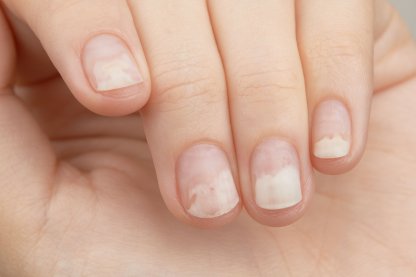
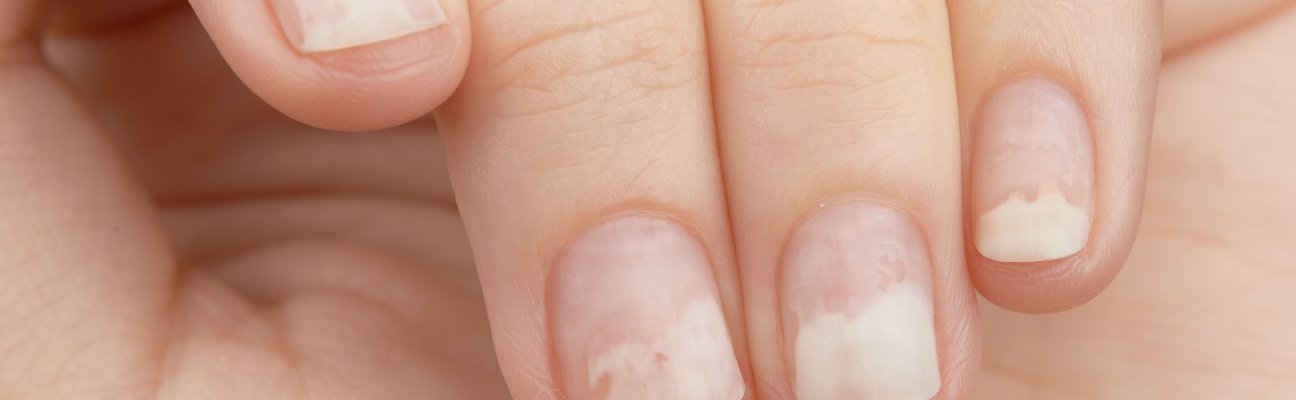
In the news recently, a link has been noted. A link between long-term use of GLP-1’s, nail problems and fingernail detachment. As you shudder (and we do too!), there is more going on here than these sensationalist headlines.
Much like the “GLP-1’s will make you bald” headlines, the idea of a medication making your fingernails just drop off is not that cut and dry. After all, GLP-1 hair loss is an associated symptom due to metabolic changes, not directly due to weight loss medications.
What’s going on? Our team at the Bodyline Clinic will break it down here, without overhyping it.
GLP-1 + Long-Term Use = Losing Fingernails?
Let’s start with the facts. Not what the tabloids say!
GLP-1s are not a new thing in the field of research. Indeed, GLP-1 research started in the late 1970s. So, why has this side effect only recently been noted? First off, this is NOT a case of pharmaceutical teams hiding information from consumers.
The reason that this may not have been reported is due to previous studies not exploring this as an issue. Then there is scale. More people are taking GLP-1’s, so potential issues are easier to spot. Or it may be due to previous researchers noting that excess weight is a complex factor with many secondary impacts. This is indeed why listening to the tabloids alone is not a good source of medical insight.
What we do need to consider is that the long-term impact of GLP-1s is constantly expanding. And according to a new study that was presented at the European Academy of Dermatology and Venereology (EADV) in Vienna, GLP-1 usage may be linked to poor nails.
At the time of writing, we cannot specify whether the nail detachment is more common with oral semaglutide or any other GLP-1. The current paper does not highlight which GLP-1’s it identified as potentially causing this side effect. We are also unable to state whether the dose impacted a higher risk of fingernails detaching.
What Did the Study Find?
This research determined that as many as 39% of GLP-1 users reported their fingernails falling off in a self-reported study. This is in comparison to 9% of those in the control group.
The researchers from the University of Bologna recruited 575 people who were using GLP-1s and 1,329 people who had Type 2 Diabetes and had never taken a GLP-1. The participants were based in France, the United States, Mexico and Brazil.
As a group, 66% of those who were taking GLP-1’s reported having at least one nail disorder, versus 53% of controls. Another interesting find was that nail discolouration had been experienced by 46% of those who were taking the weight loss medications.
What’s Going On?
It doesn’t sound good. You take a GLP-1 medication, and your nails will become discoloured or even fall off. Luckily, that does not seem to be the case.
Nutritional Deficiencies
Ever heard of nail changes being a sign of nutritional intake issues or being where a deficiency shows up? GLP-1s suppress appetite and reduce food intake. So, it may be the case that deficiencies in nutrients that are important for nail health may be a leading contributor. The research published in Frontiers in Nutrition noted that some GLP-1 users have nutritional inadequacies or deficiencies related to iron, vitamin D, calcium and protein.
In this group:
- 98.6% had below-recommended levels of vitamin D.
- 98.6% were noted to have low levels of potassium.
- 94.2% had lower than average levels of choline.
- 89.9% had lower levels of magnesium than average.
- 88.4% had iron levels below average.
Weight Loss Itself
We’ve written about how rapid weight loss can speed up the process of hair loss. Does this mean that GLP-1s cause hair loss? No. It means they speed up biological processes, which can make the shedding rate of hair faster.
Rapid weight loss impacts nail growth, causing nails to become brittle or to grow more slowly. However, the researchers in the EADV association investigated this and found that there was no notable link between losing weight faster on GLP-1s and an increase in fingernail loss or damage.
Pre-existing Dermatological/Nail conditions
Around half of the GLP-1 users in the study reported experiencing nail problems before starting treatment.
Why might this be?
Nutritional deficiencies. A study by the International Journal of Obesity noted that there was inadequate intake of iron, calcium, magnesium, zinc, copper, folate and vitamins A and B12 among people with obesity.
Obesity-related inflammation can change nutrient metabolism. Adipose (or fat) tissue is metabolically active, and it has been found that obesity is associated with chronic low-grade inflammation. This can affect the absorption, distribution and availability of nutrients in food. This may lead to a cyclic effect of needing to eat more to try and respond to what your body is craving.
Studies have found that inflammation can increase the hormone hepcidin, which reduces intestinal iron absorption and restricts the release of stored iron.
Vitamin D behaves differently in those who have a larger body mass. One meta-analysis found vitamin D deficiency was 35% more prevalent in people with obesity than in normal-weight participants.
When the initial group was reassessed for pre-existing nail issues, the link between taking GLP-1s and nail loss became less obvious.
The GLP-1 Treatment
Even when nutritional deficiencies were accounted for, alongside pre-existing nail issues, nail detachment and discolouration remained 2–3 times more common in those using GLP-1s compared with those who were not.
This highlights a possibility of an unknown mechanism being at work here. At the time of writing, the research teams have no idea what that mechanism may be. So, watch this space!
Diet
It would be unwise to assume that diet does not have a role in overall health.
When it comes to what foods should be eaten alongside a GLP-1 treatment plan you should aim to reduce sugar and excess fats. We have a piece on a GLP-1 food list, but here is a condensed version.
Unsaturated fats and oils, such as olive or canola oil
Nuts and seeds. Aim to eat almonds, chia, sunflower and flax seeds.
Plant-based fats. Think avocados!
White meat from chicken and turkey.
Lean red meat. Aim for meat with 15% fat content or less.
Seafood! Try your hand at cooking shrimp, crab or calamari.
Fish like salmon, tuna, herring, trout and sardines.
Fortified cereals. No added sugar and make sure they are high in fibre.
Boiled or roasted yellow vegetables. Think yellow bell peppers, sweet potatoes and squash. Don’t forget seasonal pumpkin.
Cooked leafy greens. Add kale, spinach, cabbage and collards.
All these foods aim to add healthy fats to your diet. They also offer protein, iron, vitamin A, vitamin E and vitamin D. All of these can improve nail health and ensure that your general diet is balanced.
Bodyline and Specialised Care
Now, we are not going to tell you that we can stop this potential side effect from happening.
But what we can say is that our team at the Bodyline Clinic will make sure that we remove all risks of nutritional deficiencies with our targeted GLP-1 diet plans. Our clinical team will also be sure to ask you as much as they can about your health and any pre-existing health conditions. This may mean that your dose needs to be titrated more slowly, or that you may need to be switched from one GLP-1 to another.
Our team are familiar with complex health presentations and are equipped to offer additional clinical support to those who have:
Diagnosed mental health issues.
Age-related medical or health issues (75+).
So, if you have been refused access to weight loss injections or GLP-1’s due to pre-existing health issues, our team at the Bodyline Clinic may be able to help you reach your weight loss goals safely.
If that sounds good, contact our team today.