CQC-regulated clinics & online consultations



Posted on September 5, 2021 by Sally-Anne Turner
It turns out that our bodies are savvier than we think. Scientists have discovered in recent trials that our assumptions about exercise and weight loss may be completely wrong. We have been told for years that a calorie-controlled diet combined with exercise is the safest and best way to lose those excess pounds. This conventional wisdom has been repeated by health professionals, fitness experts, and nutritionists for decades, forming the foundation of countless diet plans and exercise programmes across the UK and worldwide.
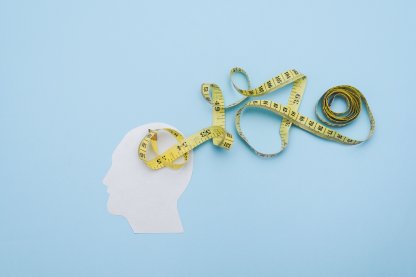
 However, if the latest studies are to be believed, it appears our bodies try to claw back the calories burnt on exercise by reducing the number of calories we spend on normal activities. For example, you go for a run, check your Fitbit, and see you have burnt 300 calories. You would assume that means you have burnt an extra 300 calories of your *2,000 calories a day allocation. However, what our bodies appear to do is reduce the number of calories we use on other things – like cleaning and general everyday activity. This phenomenon, which researchers are calling "metabolic compensation" or "adaptive thermogenesis", represents a significant challenge for anyone trying to achieve sustainable weight loss through exercise alone.
This metabolic adaptation is thought to be an evolutionary survival mechanism. Throughout human history, our ancestors faced periods of food scarcity and needed to conserve energy whenever possible. When the body perceives increased energy expenditure through exercise, it may interpret this as a potential threat to energy reserves and respond by becoming more efficient in other areas. This might mean you feel less inclined to take the stairs after your morning workout, you might fidget less throughout the day, or your body might subtly reduce the energy spent on maintaining body temperature or digesting food. These small adjustments can add up significantly over the course of a day, potentially offsetting a substantial portion of the calories burnt during structured exercise.
The implications of this research are profound for the millions of people in the UK who are currently trying to lose weight. Many individuals dedicate considerable time and effort to exercise programmes, believing that their gym sessions or runs will create a straightforward calorie deficit. The reality appears to be far more complex. Your body is constantly making adjustments to maintain what it perceives as a stable energy balance, and these adjustments often work against your weight loss goals. This doesn't mean exercise is pointless – far from it – but it does suggest that our understanding of how exercise contributes to weight loss needs to be refined and that our approach to weight management may need to be more sophisticated than simply "eat less, move more."
What does this mean for those of us wishing to lose weight? Quite simply, nobody knows – yet. By no means should you stop exercising. In your efforts to lose weight, staying healthy should always be the focus. Of course, we should all still exercise. Weight loss alone is not a reason to stay fit and healthy. Exercise is great for our mental health & keeping our hearts healthy; it reduces the risk of developing type 2 diabetes, and keeping mobile helps keep our muscles and joints healthy.
The mental health benefits of regular physical activity cannot be overstated. Exercise has been shown to reduce symptoms of depression and anxiety, improve mood, enhance self-esteem, and boost cognitive function. When you exercise, your body releases endorphins – often called "feel-good" hormones – which create a natural sense of wellbeing. For many people struggling with their weight, these psychological benefits can be just as important as any physical changes. Regular exercise also improves sleep quality, which is crucial for overall health and can indirectly support weight management by regulating hunger hormones and reducing stress-related eating.
From a cardiovascular perspective, exercise strengthens your heart muscle, improves circulation, and helps regulate blood pressure. It increases levels of HDL cholesterol (the "good" cholesterol) while helping to control triglycerides, reducing your risk of heart disease and stroke. For individuals with type 2 diabetes or those at risk of developing the condition, exercise improves insulin sensitivity, helping your body use glucose more effectively. This can lead to better blood sugar control and may reduce the need for medication in some cases. At Bodyline Clinic, we work with many patients who have diabetes or prediabetes, and we always emphasise the importance of combining physical activity with appropriate nutritional changes and, where suitable, medical weight loss treatments.
Exercise also plays a vital role in maintaining bone density, particularly important as we age. Weight-bearing exercises like walking, jogging, or resistance training help strengthen bones and reduce the risk of osteoporosis. Similarly, regular movement keeps joints flexible and muscles strong, which is essential for maintaining independence and quality of life as we get older. Many of our patients at Bodyline's clinics across the Northwest – from Warrington to Manchester, Liverpool to Stoke-on-Trent – report that they feel more energetic and capable in their daily lives once they've incorporated regular movement into their routines, regardless of whether the scales show dramatic changes.
One thing that has become clear is that exercise alone is not the most effective way to lose weight – a calorie-controlled diet is integral to the process. This understanding has led to a fundamental shift in how weight loss professionals approach treatment. While exercise remains an important component of a healthy lifestyle, the primary driver of weight loss is creating and maintaining a calorie deficit through dietary changes. This is where many people struggle, as controlling food intake can be challenging, especially when faced with the demands of modern life, emotional eating patterns, or physiological factors that increase appetite and food cravings.
 The concept of a calorie-controlled diet is straightforward in theory but often difficult in practice. To lose weight, you need to consume fewer calories than your body uses each day. However, accurately estimating both calorie intake and expenditure is notoriously difficult. Food labels can be misleading, portion sizes are often larger than we realise, and as we've discussed, the number of calories your body actually uses can vary based on metabolic compensation. Furthermore, when you reduce your calorie intake, your body may respond by lowering your metabolic rate – the number of calories you burn at rest – making further weight loss progressively more difficult. This is why many people find that initial weight loss becomes harder to sustain over time and why so many diets ultimately fail.
Perhaps one of the most interesting things to have come out of this research is that it seems people with a higher BMI tend to compensate even more for excess calories burnt – although scientists are unsure why. This seems unfair, but our bodies are built for survival and could just be balancing out what they think is a 'threat'. This finding has significant implications for individuals with obesity who are working to lose weight. If your body is more aggressively compensating for the calories you burn through exercise, you may find that increasing physical activity alone produces disappointing results on the scales, even when you're putting in considerable effort at the gym or through other forms of exercise.
This heightened compensation in individuals with higher BMI might be related to several factors. People carrying more weight may have bodies that have adapted to maintaining that weight over time, with metabolic systems that actively resist change. There may also be hormonal factors at play – leptin resistance, for instance, can affect how the body regulates energy balance and responds to changes in activity levels. Additionally, individuals with obesity often have a history of repeated dieting attempts, and research suggests that yo-yo dieting can alter metabolic responses, making the body more efficient at conserving energy and more resistant to weight loss efforts.
From an evolutionary perspective, this makes sense even if it feels frustrating. For most of human history, carrying extra weight was advantageous – it meant you had successfully stored energy for times when food might be scarce. Your body doesn't understand that you live in modern Britain with easy access to supermarkets and restaurants. It still operates on ancient programming designed to keep you alive during famines. When you increase your activity levels while trying to lose weight, your body may interpret this as a sign that food is becoming scarce and resources need to be conserved. The more weight you're carrying, the more your body may perceive it has to protect, leading to stronger compensatory mechanisms.
This biological reality doesn't mean weight loss is impossible for people with higher BMI – far from it. However, it does mean that a more comprehensive, medically-informed approach is often necessary. This is where specialist weight loss clinics like Bodyline come in. With over 18 years of experience and having supported more than 100,000 patients across the UK, Bodyline understands the complex physiological, psychological, and lifestyle factors that influence weight loss success. Our range of treatment options includes both oral medications and injectable therapies that work with your body's natural systems to support sustainable weight loss.
On a positive note – years of documented cases prove that significant weight loss has and can be achieved by adopting a healthier lifestyle – whether our bodies initially resist it or not! For those with a higher BMI, weight loss medication can also help as part of a healthy eating and exercise plan. The key word here is "part" – medication is not a magic solution but rather a tool that can make the process more manageable by addressing some of the physiological barriers to weight loss.
Medical weight loss treatments work through various mechanisms depending on the specific medication. Some treatments, such as Phentermine, act as appetite suppressants, helping to reduce feelings of hunger and making it easier to stick to a reduced-calorie diet. This can be particularly helpful for individuals who struggle with constant food cravings or who find themselves eating when they're not physically hungry. Other medications work by affecting how your body processes and stores fat, or by influencing metabolic rate. The newest generation of weight loss medications, including GLP-1 receptor agonists like Wegovy and Mounjaro, mimic natural hormones that regulate appetite and blood sugar, helping you feel satisfied with smaller portions and reducing the constant "food noise" that many people experience.
At Bodyline Clinic, we don't simply prescribe medication and send you on your way. Our approach is comprehensive and supportive, recognising that successful weight loss requires addressing multiple factors simultaneously. When you begin a weight loss programme with us, you'll receive a thorough medical assessment to ensure any treatment is safe and appropriate for your individual circumstances. This includes reviewing your medical history, current medications, lifestyle factors, and weight loss goals. Our experienced clinical team – including specialist nurses and prescribers – will work with you to develop a personalised treatment plan that may include medication alongside nutritional guidance, exercise recommendations, and ongoing support.
The importance of this holistic approach cannot be overstated, especially in light of the research showing how our bodies compensate for increased activity. If you're taking medication to help control your appetite but you're also trying to dramatically increase your exercise levels, you need professional guidance to ensure you're still consuming adequate nutrition to support your activity and overall health. Similarly, if your body is compensating for exercise by reducing other activity, you may need strategies to counteract this – perhaps by deliberately maintaining movement throughout the day, using activity trackers to ensure you're meeting step goals, or structuring your environment to encourage incidental activity.
One of the advantages of working with a specialist clinic is access to expert knowledge about how different factors interact. For example, certain types of exercise may be more beneficial for weight loss than others, not necessarily because they burn more calories, but because they help preserve or build muscle mass. Muscle tissue is metabolically active, meaning it burns calories even when you're at rest. If you lose weight through diet alone without any resistance training, you may lose both fat and muscle, which can lower your metabolic rate and make it harder to maintain your weight loss long-term. Our team can advise on the types of activity that will best support your goals while taking into account any physical limitations or health conditions you may have.
The psychological aspects of weight loss are equally important. Many people have complicated relationships with food, using eating as a way to cope with stress, boredom, loneliness, or other emotions. Others may have experienced years of failed diet attempts, leading to feelings of hopelessness or low self-esteem. At Bodyline, we understand these challenges. Our nurses provide not just medical expertise but also encouragement and accountability. Regular check-ins give you the opportunity to discuss any difficulties you're facing, celebrate your successes, and adjust your approach as needed. This ongoing support can be the difference between giving up when progress slows and persisting until you reach your goals.
The research on metabolic compensation also highlights why crash diets and extreme exercise regimes so often fail. When you drastically cut calories and dramatically increase activity simultaneously, your body may respond with even stronger compensatory mechanisms. You might lose weight initially, but the combination of a slower metabolism, increased hunger hormones, and reduced energy expenditure in daily activities can make the weight loss unsustainable. This is why so many people regain weight after losing it – their bodies are working against them, trying to return to what it perceives as a safe, stable weight. Medical weight loss treatments can help by reducing hunger and cravings, making it easier to maintain a moderate calorie deficit over a longer period, which tends to be more successful than aggressive short-term approaches.
It's also worth considering that weight loss isn't just about the number on the scales. Body composition – the ratio of fat to muscle – is equally if not more important for health. Two people can weigh the same but have very different body compositions, with different health outcomes. Someone with more muscle mass and less body fat will generally be healthier and have a more efficient metabolism than someone with less muscle and more fat, even at the same weight. This is another reason why exercise remains important even if it doesn't create as large a calorie deficit as we once thought. Resistance training and other forms of exercise help preserve muscle mass during weight loss, leading to better long-term outcomes.
For individuals considering weight loss treatment, understanding these complexities can actually be empowering rather than discouraging. It explains why you may have struggled in the past despite your best efforts – it wasn't a lack of willpower or discipline, but rather your body's natural biological responses working against you. With this knowledge, you can approach weight loss more strategically, using tools and support systems designed to work with your physiology rather than fighting against it. This might mean accepting that progress will be slower than you'd like, but also more sustainable. It might mean recognising that you need medical support to overcome biological barriers that diet and exercise alone cannot address.
The Bodyline approach recognises all of these factors. Whether you visit one of our clinics in person or access our services through online consultations available throughout the UK, you'll receive care from professionals who understand the science of weight loss and the practical realities of implementing changes in everyday life. We've helped patients from all walks of life – busy parents, shift workers, people with mobility limitations, individuals with complex medical histories – achieve meaningful, sustained weight loss. Our success stories demonstrate that with the right support and treatment approach, significant weight loss is achievable even when your body seems determined to resist.
Looking at the bigger picture, this research should prompt a shift in how we think about weight loss as a society. The narrative that overweight and obesity are simply the result of laziness or lack of self-control is not only unhelpful but scientifically inaccurate. When your body is actively working to maintain your current weight through metabolic compensation and other mechanisms, losing weight becomes a genuine medical challenge rather than a simple matter of willpower. This understanding should reduce stigma and encourage more people to seek appropriate medical support rather than struggling alone with increasingly restrictive diets and punishing exercise regimes that ultimately prove unsustainable.
It's also important to note that weight loss isn't appropriate or necessary for everyone. Health exists across a spectrum of body sizes, and the focus should always be on overall wellbeing rather than achieving a particular number on the scales. However, for individuals whose weight is impacting their health – contributing to conditions like type 2 diabetes, high blood pressure, joint problems, or sleep apnoea – medically supported weight loss can lead to significant improvements in quality of life and long-term health outcomes. At Bodyline, we assess each patient individually, considering their unique circumstances, health status, and goals to determine the most appropriate approach.
For those who do pursue weight loss, whether through lifestyle changes alone or with the support of medication, patience and persistence are essential. The research on metabolic compensation reminds us that our bodies are complex systems that don't respond in simple, linear ways to our efforts. You might have weeks where the scales don't move despite your best efforts, not because you're doing something wrong, but because your body is adjusting. This is where having professional support becomes invaluable – someone who can reassure you that plateaus are normal, help you troubleshoot when progress stalls, and adjust your treatment plan as needed.
The future of weight loss treatment is likely to become increasingly personalised as we better understand individual variations in metabolism, genetic factors affecting weight regulation, and how different people respond to various interventions. Already, medications like those offered at Bodyline are being refined and improved, with newer options providing better results with fewer side effects. Research continues into the mechanisms of metabolic compensation and other barriers to weight loss, which may lead to new strategies for overcoming these challenges. What remains constant is the need for comprehensive, compassionate, evidence-based care that treats weight management as the complex medical issue it is.
*2000 calories is the NHS recommended daily intake for women, 2,500 for men. However, individual calorie needs vary significantly based on age, height, weight, activity level, and metabolic rate. Some people require more calories to maintain their weight, while others require fewer. This is another reason why personalised medical advice is so important when embarking on a weight loss journey. A one-size-fits-all approach rarely works, and what's appropriate for one person may not be suitable for another.
If you're struggling with your weight and finding that traditional diet and exercise approaches aren't delivering the results you need, it may be time to consider a more comprehensive solution. Book a consultation at Bodyline Clinic to discuss how our medical weight loss programmes could help you achieve sustainable results. Our experienced team is ready to support you with evidence-based treatments, personalised guidance, and ongoing care throughout your weight loss journey. With clinics throughout the Northwest and online consultations available across the UK, expert support is more accessible than ever. Don't let your body's natural resistance to weight loss hold you back – discover how medical intervention combined with lifestyle changes can help you overcome biological barriers and achieve lasting success.
Contact us today
Find out more about how we can treat and support you to improve your health and wellbeing.

No-obligation advice from our CQC-regulated team, in clinic or by video.