CQC-regulated clinics & online consultations


Posted on April 11, 2025 by Sally-Anne Turner
If you've undergone a bariatric surgery, then you know the hurdles and hoops that have to be jumped through to get the treatment guaranteed to help you overcome severe obesity. The invasive procedures physically make the stomach smaller in one way or another, so you feel fuller sooner and consume fewer calories. It's a total lifestyle change and transformation, one that can be tough to push through.
Bariatric surgery represents a significant commitment to your health and wellbeing. Whether you've had a gastric bypass, gastric sleeve, or gastric band procedure, you've taken a major step towards addressing chronic obesity and improving your quality of life. These surgical interventions work by restricting the amount of food your stomach can hold, altering your digestive process, or both. The immediate post-operative period typically brings rapid weight loss as your body adjusts to the physical changes, and many patients experience dramatic improvements in obesity-related health conditions such as type 2 diabetes, high blood pressure, and sleep apnoea.
However, the journey doesn't end with the surgery itself. Long-term success requires ongoing commitment to dietary changes, regular physical activity, and lifestyle modifications. Your relationship with food must fundamentally change, and this psychological adjustment can be just as challenging as the physical recovery. Many patients find themselves navigating complex emotions around food, body image, and their new eating patterns. The support you receive during this transition period is absolutely crucial to maintaining the weight loss you've achieved.
Once a large amount of the weight has come off, some patients may experience a plateau in their progress, and some may see the effects of the surgery wearing off and old habits creeping back in, causing a little weight regain. That's why there can sometimes be a need for medical support to maintain or enhance the weight loss journey.
Weight regain after bariatric surgery is a multifaceted issue that can occur for various reasons. Your stomach pouch may stretch over time, particularly if you consistently overeat or don't follow portion control guidelines. Hormonal changes that initially supported weight loss may normalise, reducing their appetite-suppressing effects. Metabolic adaptation, where your body becomes more efficient at conserving energy, can also slow your weight loss progress or contribute to regaining it. Additionally, the psychological and behavioural factors that contributed to obesity before surgery don't simply disappear after the procedure. Stress, emotional eating, food addiction, and environmental triggers can all resurface, making it challenging to maintain healthy eating patterns.
The physical changes from surgery can also evolve over time. With gastric band procedures, the band itself may slip or require adjustment. After gastric bypass or sleeve gastrectomy, the stomach can gradually stretch, allowing you to consume larger portions than immediately post-surgery. These anatomical changes, combined with the natural human tendency to return to familiar behaviours, create a perfect storm for weight regain. It's important to understand that experiencing a plateau or some weight regain doesn't mean you've failed – it simply means you may need additional support to continue your weight loss journey.
Weight loss medications can be a powerful complementary treatment option following a stall in bariatric surgery progress, but many patients may be rightfully wondering about the safety and efficacy of using prescription weight loss medications this way.
At Bodyline, our team of experienced weight health professionals have worked with men and women at every stage, whether they're at the very beginning of their weight loss journey or whether they're coming to us after a bariatric surgery to boost their weight loss results.
With over 18 years of specialist experience in medical weight management, Bodyline has supported more than 100,000 patients across the UK through personalised, clinically supervised treatment programmes. Our CQC-regulated clinics throughout the Northwest of England, including locations in Warrington, Manchester, Liverpool, Birkenhead, St Helens, Stockport, and Stoke-on-Trent, provide accessible, expert care for patients at every stage of their weight loss journey. We also offer convenient online consultations for patients throughout the UK, ensuring that geographical location doesn't prevent you from accessing the support you need.
Our clinical team understands that post-bariatric patients have unique needs and considerations. Your altered digestive anatomy, nutritional requirements, and metabolic changes all require careful assessment before any weight loss medication is prescribed. We don't take a one-size-fits-all approach. Instead, our specialist nurses and doctors conduct comprehensive medical evaluations to determine which treatment options are safe and appropriate for your individual circumstances. This includes reviewing your surgical history, current health status, any medications you're taking, and your specific weight management goals.
We wanted to provide you with the information you might need to make an informed decision after bariatric surgery if you're considering weight loss medications during a stall in progress.
If you have any questions, don't hesitate to get in touch by calling us on 0800 995 6036.
Gaining weight in the years following bariatric surgery is not an uncommon occurrence. One scientific review looked at the prevalence of weight regain in a wide range of bariatric surgery trials, and they concluded that weight regain happens to more than a quarter of all participants on average but can be as high as 37% in the seven years following the surgery. Another analysis looking at a large range of studies on gastric sleeves found that around 76% of patients had regained the weight within 6 years.
These statistics might seem discouraging, but they actually highlight an important reality: bariatric surgery is a tool, not a cure. The surgery creates the physical conditions that make weight loss easier, but maintaining that weight loss requires ongoing effort, support, and sometimes additional interventions. Understanding this from the outset can help you approach any plateau or regain with a problem-solving mindset rather than feelings of failure or shame.
Weight regain typically follows a predictable pattern. Most patients reach their lowest weight between 12 and 24 months after surgery. After this point, some gradual weight regain is common, with the most significant regain typically occurring between years two and six post-surgery. The amount of regain varies considerably between individuals, influenced by factors such as the type of surgery performed, adherence to dietary guidelines, physical activity levels, psychological factors, and metabolic changes.
Several physiological mechanisms contribute to weight regain after bariatric surgery. Your body's metabolic rate may decrease as you lose weight, meaning you burn fewer calories at rest than before. Hormonal changes that initially suppressed appetite may normalise over time, leading to increased hunger signals. The stomach pouch can stretch gradually, allowing you to consume larger portions without discomfort. Additionally, your body may become more efficient at absorbing nutrients from the smaller amount of food you consume, extracting more calories than it did immediately post-surgery.
Weight regain is nothing to be ashamed or embarrassed about, and there is a way forward to ensure you can move through this hurdle and get through the other side of your weight loss journey. Weight loss medications can therefore be an effective tool after bariatric surgeries, but ONLY when safely monitored and supported by healthcare professionals and CQC-regulated are they recommended.
The key to addressing weight regain or a plateau is early intervention. The sooner you seek support, the easier it is to get back on track. Waiting until you've regained a significant amount of weight makes the process more challenging, both physically and psychologically. Many patients benefit from regular follow-up appointments with their bariatric team, even years after surgery, to monitor progress and address any concerns before they become major setbacks.
Medical weight loss medications have emerged as valuable tools for post-bariatric patients experiencing weight regain or plateau. These medications work through different mechanisms than the surgery itself, providing an additional layer of support for appetite control and weight management. When combined with nutritional guidance, behavioural support, and lifestyle modifications, weight loss medications can help you break through a plateau or reverse weight regain effectively and safely.
Different medications work with different mechanisms of action, some by targeting gastrointestinal hormones and others by targeting the appetite centre of the brain. When prescribed to eligible patients, they can produce incredible results and aid in the development of lifelong healthy habits to ensure weight loss is sustained as long as possible.
The decision to use weight loss medication after bariatric surgery should be made collaboratively with healthcare professionals who understand both bariatric surgery and medical weight management. Not all weight loss medications are appropriate for post-bariatric patients, and dosing may need to be adjusted based on your altered digestive anatomy. Factors such as the type of surgery you had, how long ago it was performed, your current BMI, any nutritional deficiencies, and your overall health status all influence which medications are safe and effective for you.
At Bodyline, our approach to post-bariatric weight management is comprehensive and personalised. We begin with a thorough medical assessment that includes reviewing your surgical history, current weight and BMI, eating patterns, physical activity levels, any medications you're currently taking, and any health conditions you're managing. This assessment helps us identify the underlying causes of your plateau or weight regain, which might include inadequate protein intake, insufficient physical activity, emotional eating patterns, hormonal imbalances, or metabolic adaptation.
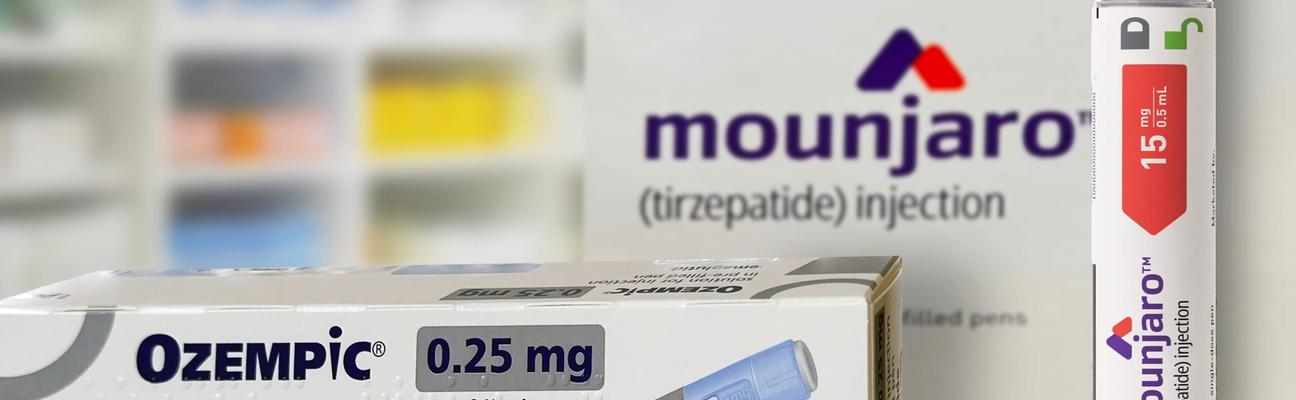
Mounjaro (tirzepatide) is the newest generation of weight management medications, offering a unique dual GIP and GLP-1 receptor agonist mechanism. Studies indicate superior weight loss results compared to other injectable medications, with the average patient losing up to 25% of their starting weight.
Mounjaro represents a significant advancement in medical weight loss treatment because it targets two hormone pathways simultaneously. GLP-1 (glucagon-like peptide-1) is a hormone naturally produced in your intestines that signals fullness to your brain, slows gastric emptying, and helps regulate blood sugar. GIP (glucose-dependent insulinotropic polypeptide) is another gut hormone that works synergistically with GLP-1 to enhance these effects. By activating both receptors, Mounjaro provides more comprehensive appetite control and metabolic support than medications that target only one pathway.
For post-bariatric surgery patients, Mounjaro offers several potential benefits. It can help overcome the plateau that many patients experience when their body adapts to the surgical changes. The medication works through a different mechanism than the physical restriction created by surgery, providing an additional tool for appetite control. Many patients find that Mounjaro helps them feel satisfied with smaller portions again, similar to how they felt immediately after surgery. This can be particularly valuable if your stomach pouch has stretched over time, allowing you to consume larger portions than you should.
The dual-action mechanism of Mounjaro may also provide metabolic benefits beyond weight loss. Research suggests that GIP\/GLP-1 receptor agonists can improve insulin sensitivity, reduce inflammation, and support cardiovascular health. For post-bariatric patients who may still be managing conditions like type 2 diabetes or metabolic syndrome, these additional benefits can be particularly valuable. The medication is administered as a once-weekly injection, which many patients find convenient and easy to incorporate into their routine.
According to the Medicines and Healthcare products Regulatory Agency (MHRA), the criteria for Mounjaro's prescribing eligibility is as follows:
· Adult patients with a BMI of 30 or more (obesity)
· Adults with a BMI between 27-30 (overweight) who also have weight-related health problems such as prediabetes, high blood pressure, high cholesterol, or heart problems.
However, it's important to note that patients require close monitoring due to the interaction between the medication and their altered digestive system.
Post-bariatric patients considering Mounjaro need specialised medical supervision because the medication affects gastrointestinal function in ways that can interact with your surgically altered anatomy. Mounjaro slows gastric emptying, which means food stays in your stomach longer. While this contributes to increased satiety, it can also cause side effects like nausea, particularly in patients who've had gastric bypass or sleeve gastrectomy. Your smaller stomach capacity combined with delayed emptying requires careful management to ensure you're still able to meet your nutritional needs.
Dosing for post-bariatric patients may need to be adjusted compared to standard protocols. At Bodyline, we typically start with the lowest effective dose and increase gradually while monitoring your response and any side effects. This cautious approach helps minimise gastrointestinal discomfort and allows your body to adjust to the medication. Regular follow-up appointments are essential to assess your progress, adjust dosing if needed, and ensure you're maintaining adequate nutrition and hydration.
Nutritional considerations are particularly important when using Mounjaro after bariatric surgery. The combination of reduced appetite from the medication and your limited stomach capacity means you need to be strategic about food choices to meet your protein, vitamin, and mineral requirements. Our clinical team provides detailed nutritional guidance to help you prioritise protein-rich foods, stay hydrated, and continue taking your vitamin supplements as prescribed by your bariatric team. We work collaboratively with your existing healthcare providers to ensure coordinated, comprehensive care.
Wegovy (semaglutide) has become a popular medical weight loss injection administered weekly to help regulate appetite and food intake. While similar to Mounjaro, the active ingredient semaglutide targets the GLP-1 receptors, encouraging slowed digestion, increased feelings of fullness, and reduced calorie intake. Studies show semaglutide helps the majority of users can lose up to 15% of their starting weight in 68 weeks.
Wegovy has been extensively studied and has a well-established safety and efficacy profile for weight management. The medication works by mimicking the natural GLP-1 hormone that your body produces after eating. When you inject Wegovy, it binds to GLP-1 receptors in your brain, stomach, and pancreas, triggering several beneficial effects. In your brain, it reduces appetite and food cravings, making it easier to resist unhealthy foods and stick to appropriate portion sizes. In your stomach, it slows the rate at which food empties, helping you feel fuller for longer after meals. In your pancreas, it helps regulate insulin secretion, which can improve blood sugar control.
For post-bariatric surgery patients, Wegovy offers a proven approach to addressing weight regain or breaking through a plateau. The medication has been studied in various patient populations, including those who have previously undergone bariatric surgery. Research indicates that Wegovy can be effective in helping post-bariatric patients lose additional weight or regain weight they've lost. The key is proper patient selection, appropriate dosing, and comprehensive support to address the behavioural and lifestyle factors that contribute to weight management.
It's particularly beneficial for patients experiencing weight regain years after surgery.
Many patients find that several years after bariatric surgery, their appetite has returned to pre-surgery levels, and they're struggling with hunger and cravings that make portion control difficult. Wegovy can help address this by essentially "resetting" your appetite signals, making it easier to feel satisfied with smaller portions again. This is particularly valuable if you've noticed that you can eat larger amounts of food than you could immediately after surgery, or if you're experiencing frequent hunger between meals.
The once-weekly injection schedule of Wegovy is convenient for most patients. You inject the medication yourself using a pre-filled pen, similar to how people with diabetes administer insulin. The injection is subcutaneous, meaning it goes into the fatty tissue just under your skin, typically in your abdomen, thigh, or upper arm. Most patients find the injection relatively painless, and it only takes a few seconds to administer. The weekly schedule makes it easy to incorporate into your routine – many patients choose a specific day of the week and time to do their injection, making it a simple habit.
According to the National Institute for Health and Care Excellence (NICE), Wegovy can be prescribed to 'adults with an initial BMI of ≥30 kg/m2 (obesity), or ≥27 kg/m2 to <30 kg/m2 (overweight) in the presence of at least one weight-related comorbidity'.
Again, Wegovy patients will require close monitoring due to the interaction between the medication and their altered digestive system.
The monitoring process for post-bariatric patients using Wegovy is more intensive than for patients who haven't had surgery. At Bodyline, we schedule regular appointments to track your weight loss progress, assess any side effects, review your dietary intake, check your hydration status, and monitor your nutritional markers through blood tests if needed. This comprehensive monitoring ensures that any issues are identified and addressed quickly, before they become significant problems.
Side effects are an important consideration when using Wegovy after bariatric surgery. The most common side effects are gastrointestinal in nature, including nausea, vomiting, diarrhoea, constipation, and abdominal discomfort. These effects are generally more pronounced when you first start the medication or when your dose is increased. For post-bariatric patients, these side effects can be more challenging to manage because of your already altered digestive system. Our clinical team provides detailed guidance on managing these side effects, including dietary strategies, timing of doses, and when to contact us for additional support.
Dehydration is a particular concern for post-bariatric patients using Wegovy. The combination of nausea, potential vomiting, and reduced fluid intake can quickly lead to dehydration, especially if you've had a malabsorptive procedure like gastric bypass. We emphasise the importance of sipping fluids throughout the day, even if you don't feel thirsty. Setting reminders on your phone, keeping a water bottle with you at all times, and tracking your fluid intake can all help ensure you're staying adequately hydrated.
Saxenda (liraglutide) is different to Mounjaro and WeGovy as it's a daily injectable medication that can be used after bariatric surgery to ensure effective sustained weight loss. It works similarly to other GLP-1 receptor agonists to help control appetite and food intake.
Saxenda was one of the first GLP-1 receptor agonists approved specifically for weight management, and it has a long track record of safety and efficacy. The medication contains liraglutide, which is a GLP-1 analogue that mimics the natural hormone produced in your gut. Like Wegovy, Saxenda works by reducing appetite, slowing gastric emptying, and helping regulate blood sugar levels. The main difference is that Saxenda is administered as a daily injection rather than weekly, which some patients actually prefer as it allows for more flexible dosing adjustments.
The daily injection schedule of Saxenda offers both advantages and challenges for post-bariatric patients. On the positive side, the daily dosing allows for more gradual dose increases and more precise control over your medication levels. If you experience side effects, it's easier to adjust your dose on a day-to-day basis compared to weekly injections. The shorter half-life of liraglutide compared to semaglutide means that if you do experience significant side effects, they resolve more quickly. This can be particularly reassuring for patients who are concerned about how their body will respond to the medication.
However, the daily injection requirement does mean you need to remember to inject every day, which requires more consistent adherence than weekly medications. Some patients find it helpful to link their injection to another daily routine, such as brushing their teeth or having breakfast, to ensure they don't forget. The injection pen is easy to use and portable, so you can take it with you when travelling or staying away from home.
Saxenda has been shown to support weight loss in post-bariatric surgery for those struggling with weight regain as it encourages a reduced caloric intake.
Research has demonstrated that Saxenda can be effective in helping post-bariatric patients who have experienced weight regain to lose weight again. The medication appears to work through complementary mechanisms to the surgery itself, providing an additional tool for appetite control that can help you return to healthier eating patterns. Many patients report that Saxenda helps them feel more in control around food, reducing the obsessive food thoughts and cravings that can sabotage weight loss efforts.
The starting dose of Saxenda is typically lower than the maintenance dose, and it's increased gradually over several weeks. This dose escalation approach helps minimise side effects and allows your body to adjust to the medication. For post-bariatric patients, we may increase the dose even more slowly than standard protocols to ensure tolerability. Throughout the dose escalation period, our clinical team provides close support and monitoring to ensure you're progressing well and managing any side effects effectively.
Nutritional planning is crucial when using Saxenda after bariatric surgery. The appetite suppression from the medication can be quite strong, and some patients find they have very little desire to eat. While this supports weight loss, it's essential that you still consume adequate protein and nutrients to maintain your health. We recommend eating protein first at every meal, choosing nutrient-dense foods over empty calories, continuing your vitamin supplementation regimen, and spreading your food intake throughout the day in small, frequent portions.
The cost of Saxenda can be a consideration for some patients, as it's a daily injection and therefore requires more medication than weekly injections. At Bodyline, we discuss all treatment options and their associated costs upfront, ensuring you can make an informed decision that fits your budget and lifestyle. We also provide ongoing support to help you get the best value from your treatment, including nutritional counselling, lifestyle coaching, and regular monitoring to optimise your results.
Phentermine is considered an effective tool to mitigate weight gain following gastric surgeries, as studies show that it can significantly reduce instances of weight regain.
Phentermine is an oral slimming pill that belongs to a class of drugs known as appetite suppressants. It works on neurotransmitters in your brain, primarily norepinephrine, serotonin, and dopamine, which help reduce hunger signals and control cravings.
Phentermine has been used for weight management since the 1950s and has an extensive safety record when used appropriately under medical supervision. The medication works differently from GLP-1 receptor agonists – instead of mimicking gut hormones, it acts directly on the appetite centre in your brain. Phentermine stimulates the release of norepinephrine, a neurotransmitter that triggers your body's "fight or flight" response. This reduces hunger signals and can also provide a mild energy boost, which many patients find helpful for increasing physical activity.
For post-bariatric surgery patients, Phentermine offers several advantages. It's an oral medication, so there are no injections required, which some patients prefer. It's also generally more affordable than newer injectable medications, making it accessible for patients who may not be able to afford the higher cost of GLP-1 treatments. Phentermine has been specifically studied in post-bariatric populations and has demonstrated effectiveness in preventing weight regain and promoting additional weight loss.
The medication is recommended for short-term use in the management of obesity, prescribed for 3-months at a time, and regular breaks are required. Post bariatric surgery, it's important to be used in conjunction with a fully supported treatment programme so that side effects and progress can be effectively monitored.
The short-term prescribing approach for Phentermine is based on regulatory guidelines and is designed to prevent tolerance to the medication. Most patients use Phentermine for three months, then take a break before potentially starting another course if needed. This intermittent approach can be effective for post-bariatric patients who need periodic support to get back on track rather than continuous long-term medication. During your time on Phentermine, the goal is not just weight loss but also re-establishing healthy eating habits and behaviours that you can maintain during the break periods.
Phentermine does have some contraindications and potential side effects that need to be considered. The medication can increase heart rate and blood pressure, so it's not suitable for patients with certain cardiovascular conditions. It can also cause insomnia if taken too late in the day, so we typically recommend taking it in the morning. Some patients experience dry mouth, constipation, or nervousness, though these side effects often diminish as your body adjusts to the medication. At Bodyline, we conduct thorough medical screening before prescribing Phentermine to ensure it's safe for you.
Diethylpropion is another oral weight loss medication that can be used if Phentermine isn't appropriate/suitable for patients. It also works as an appetite suppressant by targeting the appetite centre of the brain and can be prescribed to aid in post-surgery weight loss efforts in instances of weight regain.
Diethylpropion works through a similar mechanism to Phentermine but has a slightly different side effect profile that some patients tolerate better. The medication is available in immediate-release and extended-release formulations, giving flexibility in dosing schedules. Like Phentermine, Diethylpropion stimulates the release of norepinephrine in your brain, reducing appetite and helping you feel more satisfied with smaller portions of food.
For post-bariatric patients who have tried Phentermine but experienced side effects or found it ineffective, Diethylpropion provides an alternative option. Some patients find that Diethylpropion causes less jitteriness or sleep disturbance compared to Phentermine, making it a better fit for their lifestyle. The extended-release formulation provides appetite suppression throughout the day with a single morning dose, which many patients find convenient.
Both Phentermine and Diethylpropion require a comprehensive approach that includes dietary modifications, increased physical activity, behavioural strategies, and ongoing medical supervision. At Bodyline, we don't simply prescribe medication and send you on your way. Our programmes include regular appointments with our specialist nurses, nutritional guidance tailored to your post-bariatric needs, support for increasing physical activity safely, and strategies for addressing emotional eating and other behavioural factors that may contribute to weight regain.
At Bodyline, we offer comprehensive post-bariatric care including:
· Detailed medical evaluations for medication suitability
· Regular monitoring and treatment plan adjustments
· Comprehensive dietary and lifestyle support
· Long-term follow-up care
Our post-bariatric support programme is designed specifically for patients who have undergone weight loss surgery and need additional help to maintain their results or overcome a plateau. We understand that your needs are different from patients who haven't had surgery, and we tailor our approach accordingly. Our clinical team has extensive experience working with post-bariatric patients and understands the unique challenges you face, from altered nutrient absorption to the psychological adjustment of life after surgery.
The detailed medical evaluation we conduct before prescribing any weight loss medication is comprehensive and thorough. We review your complete surgical history, including the type of procedure you had, when it was performed, any complications or revisions, and your weight trajectory since surgery. We assess your current eating patterns, physical activity levels, and any challenges you're facing with adherence to post-bariatric guidelines. We also review any nutritional deficiencies, medications you're taking, and health conditions you're managing to ensure any weight loss medication we prescribe is safe and appropriate for your situation.
Regular monitoring is a cornerstone of our post-bariatric care. We schedule frequent follow-up appointments during the initial phase of treatment to track your progress closely and identify any issues early. These appointments include weight and body composition measurements, blood pressure checks, review of any side effects or concerns, assessment of your dietary intake and nutritional status, and adjustments to your treatment plan as needed. As you progress and stabilise on treatment, appointments may become less frequent, but we maintain regular contact to provide ongoing support.
Our dietary and lifestyle support is specifically tailored to post-bariatric patients. We work within the framework of your bariatric dietary guidelines while incorporating strategies to optimise your weight loss medication. This includes guidance on meal timing and composition to maximise the effects of your medication, strategies for managing side effects like nausea while ensuring adequate nutrition, protein prioritisation to preserve lean muscle mass during weight loss, and hydration strategies to prevent dehydration. We also provide support for increasing physical activity safely, taking into account any physical limitations or health concerns you may have.
Long-term follow-up care is essential for maintaining your weight loss results. Even after you've achieved your weight loss goals, we encourage ongoing contact to help you maintain your success. This might include periodic check-ins to monitor your weight maintenance, support for navigating challenging situations like holidays or stressful periods, and adjustments to your treatment plan if you begin to regain weight. Our goal is to provide you with the tools, support, and medical interventions you need to maintain your weight loss for life, not just for a few months.
We also recognise that weight management after bariatric surgery isn't just physical – it's emotional and psychological too. Many post-bariatric patients struggle with body image issues, fear of regaining weight, or difficulty adjusting to their new relationship with food. While we're not psychologists, our experienced clinical team provides empathetic support and can refer you to appropriate mental health resources if needed. We create a non-judgmental environment where you can discuss your challenges openly and receive practical strategies for overcoming them.
To determine the most appropriate weight loss medication for your post-bariatric journey, contact Bodyline today. Call 0800 995 6036 or complete an enquiry form for a call back.
Our team is ready to answer your questions and help you understand your options. During your initial consultation, we'll take the time to understand your unique situation, explain the different treatment options available, discuss the potential benefits and risks of each medication, and work with you to develop a personalised plan.
BMI calculator
Enter your height and weight to work out your Body Mass Index in seconds.
Your BMI
Find out where you sit and what your options are
Your BMI
Our CQC-regulated clinical team will confirm your eligibility at consultation, in clinic or by video.
CQC regulated 4.8 on Trustpilot
If you'd like advice on your health and wellbeing, our team can talk you through the services we offer.
Explore our servicesWe'd recommend speaking to your GP, who can check everything is OK and offer the right support.
BMI ranges work differently for under 18s. Please speak to your GP for advice.
Please check your height and weight.
Contact us today
Find out more about how we can treat and support you to improve your health and wellbeing.

No-obligation advice from our CQC-regulated team, in clinic or by video.





