
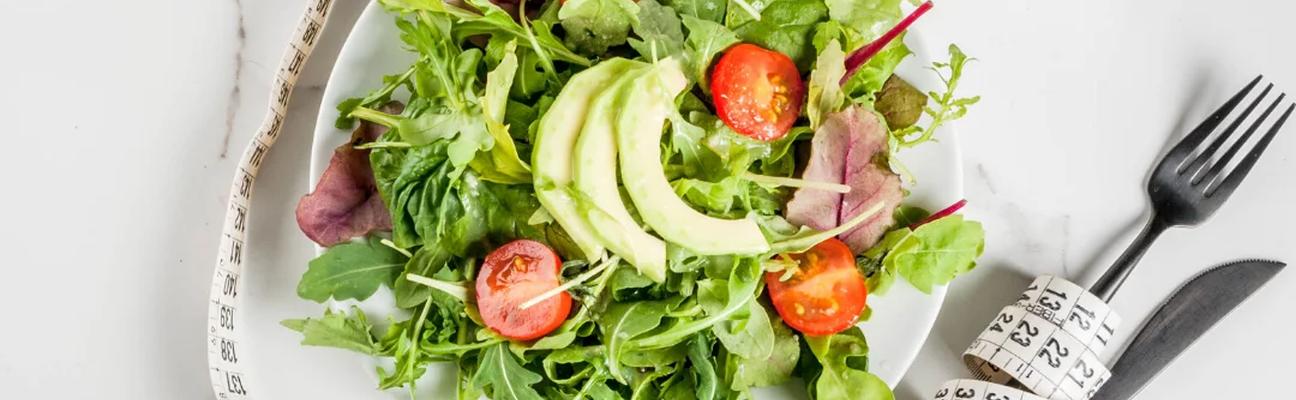


What does 800 calories a day look like?
Posted on March 30, 2020 by Sally-Anne Turner
What Does 800 Calories a Day Look Like? A Complete Guide to Very Low-Calorie Diets
The recommended daily intake of calories for women is 2000 calories a day, and 2500 for men. Here at Bodyline, our nurses recommend that you try to cut down to around 800 calories per day to support your weight-loss journey. Although our medication has appetite suppressing qualities that should make this transition easier, we’ve put together some information on how you can easily reduce your intake to 800 calories a day!
Understanding what 800 calories a day actually looks like can be transformative for your weight loss journey. This level of calorie restriction, when properly managed and medically supervised, can lead to significant weight loss results whilst still providing your body with essential nutrients. At Bodyline Clinic, we’ve supported over 100,000 patients across the UK through their weight loss journeys, and we’ve learned that success comes from making sustainable changes that fit into your lifestyle rather than attempting drastic overnight transformations.
It’s important to understand that an 800-calorie diet is considered a very low-calorie diet (VLCD) and should only be undertaken with proper medical supervision. This is why at Bodyline, our experienced weight loss nurses work closely with each patient to ensure they’re following a safe, effective programme that’s tailored to their individual needs, medical history, and weight loss goals. Our medical weight loss programmes combine prescription medications with comprehensive nutritional guidance to make the transition to lower calorie intake more manageable and sustainable.
When you take appetite suppressant medications such as Phentermine, Diethylpropion, or weight loss injections like Mounjaro or Wegovy, reduced appetite makes eating fewer calories feel much more natural. These medications suppress hunger signals and help you feel fuller for longer, so you’re not constantly fighting your body’s natural urge to eat. This medical support is what sets Bodyline’s approach apart from traditional dieting methods that rely solely on willpower.
We don’t expect you to make huge changes to your daily life straight away. You can start off with small changes to how you eat and prepare food that will add up to your 800 calories throughout the day. The key to success is understanding that sustainable weight loss comes from building new habits gradually, rather than attempting to overhaul your entire lifestyle overnight. Our clinical team at Bodyline has identified several key areas where simple swaps and modifications can make a dramatic difference to your daily calorie intake without leaving you feeling deprived or hungry.
Many of our patients at our clinics across the Northwest in locations including Birkenhead, Liverpool, Manchester, Warrington, Stockport, St Helens, and Stoke-on-Trent have found that these small, incremental changes are far more sustainable than attempting radical diet transformations. The beauty of working with our specialist weight loss nurses is that they can help you identify which changes will have the biggest impact on your individual eating patterns and lifestyle.
Oils and Cooking Methods
Using oil or butter to cook your meals, for example can be swapped out for using alternatives such as Fry-Light or other low-calorie sprays. Just one tablespoon of butter or oil contains about 100 calories, whereas one spray of low-calorie cooking spray contains one calorie. You’re already a quarter of the way there if you change the way you prepare your lunch and dinner!
The impact of cooking oils on your daily calorie intake is often dramatically underestimated. When you’re preparing a typical evening meal, you might easily use two or three tablespoons of oil for frying vegetables, cooking meat, or preparing a sauce. That’s 200–300 calories before you’ve even plated up your food. Over the course of preparing breakfast, lunch, and dinner, traditional cooking oils could be contributing 400–500 calories to your daily intake without you even realising it.
Low-calorie cooking sprays work by dispersing a fine mist of oil across your pan, providing enough lubrication to prevent sticking whilst using a fraction of the oil you’d pour from a bottle. One second of spray typically equals one calorie, meaning you can spray your pan five times and still only consume five calories compared to the 100+ calories in a tablespoon of regular oil. This simple swap alone can save you hundreds of calories each day.
Beyond cooking sprays, there are other techniques you can employ to reduce the oils and fats in your cooking. Grilling, baking, steaming, and poaching are all excellent cooking methods that require little to no added fat. Air fryers have become increasingly popular among our Bodyline patients because they can create that satisfying crispy texture without the need for deep frying in oil. Investing in good quality non-stick cookware also means you can often cook with minimal or no oil at all.
When oil is necessary for flavour, consider measuring it carefully with a teaspoon rather than pouring freely from the bottle. Even being conscious of portion sizes when it comes to oils can make a significant difference. Our nurses often recommend that patients keep a food diary during their first few weeks to become more aware of these hidden calories that can easily sabotage weight loss efforts.
Drinks and Hidden Liquid Calories
For many of us, grabbing a cup of coffee from your local café in the morning or on your lunch break is part of a normal daily routine. However, the hidden calories that you consume here are hard to ignore! One cup of cappuccino usually contains over 150 calories, whereas a standard black coffee has none, and you will save you some pennies in the long run too.
The beverage industry has created a culture where drinks have become increasingly calorie-dense, often without consumers fully understanding the impact. A large flavoured latte from a high street coffee chain can contain anywhere from 250–400 calories depending on the size, type of milk, and any added syrups or toppings. When you consider that many people have two or even three of these drinks per day, you could be consuming 600–1200 calories just from beverages alone – more than your entire daily allowance on an 800-calorie diet.
The solution doesn’t necessarily mean giving up your coffee ritual entirely. Black coffee, as mentioned, contains virtually no calories and can actually support weight loss by slightly boosting metabolism and suppressing appetite. If you can’t tolerate black coffee, try gradually reducing the amount of milk you use, switching to skimmed or unsweetened almond milk (which contains far fewer calories than whole or semi-skimmed milk), and avoiding any added syrups or sugar. An Americano with a splash of skimmed milk contains around 10–20 calories compared to 150+ for a cappuccino.
Fizzy drinks are another thing that you should try to avoid when cutting back on calories. Just one can of Coke contains around 140 calories depending on the brand, so swapping this out for a glass of water will do you a big favour when it comes to watching your waistline.
Sugar-sweetened beverages represent one of the easiest ways to consume excessive calories without feeling satisfied. Unlike food, which provides some satiety, liquid calories don’t trigger the same fullness response in your body. You could drink 500 calories worth of fizzy drinks and still feel just as hungry as you did before. This makes them particularly problematic for anyone trying to maintain an 800-calorie diet.
Beyond regular fizzy drinks, be mindful of fruit juices, smoothies, energy drinks, sports drinks, and alcoholic beverages. A glass of orange juice might seem healthy, but it contains around 110 calories and lacks the fibre that would come from eating a whole orange. Smoothies can easily contain 300–400 calories, especially if they include high-calorie additions like nut butters, honey, or protein powders. Alcohol is particularly calorie-dense, with a large glass of wine containing around 200 calories and a pint of beer containing 180–250 calories.
Water should become your primary beverage throughout the day. Not only does it contain zero calories, but adequate hydration is essential for supporting your metabolism, helping your body process the weight loss medications, and preventing fatigue. Many of our patients at Bodyline find that they were often mistaking thirst for hunger, and increasing their water intake significantly reduced their desire to snack between meals. We recommend aiming for at least 2–3 litres of water daily, which you can make more interesting by adding slices of lemon, lime, cucumber, or fresh mint.
Herbal teas and black tea without milk are also excellent zero-calorie options that can provide variety and comfort without impacting your calorie budget. Some patients find that having a hot drink can satisfy the oral fixation and ritual of eating without consuming any calories at all.
Snacks and Smart Substitutions
Sometimes it can be hard to avoid snacking in between mealtimes, but there are lots of tasty low-calorie options you could switch to. Instead of going for a chocolate bar, with the likes of a Crunchie containing 186 calories, you can have a banana at just 90 calories, which contains better nutrients and will leave you feeling fuller and more energised.
Snacking is often where calorie-controlled diets succeed or fail. The challenge is that many people reach for snacks out of habit, boredom, or emotional triggers rather than genuine hunger. When you’re following an 800-calorie diet with the support of appetite suppressant medication from Bodyline, you should find that genuine hunger between meals becomes less frequent. However, the psychological desire to snack can persist even when physical hunger is suppressed.
Understanding the difference between nutrient-dense and calorie-dense foods is crucial. A chocolate bar might contain 200–300 calories but provides little nutritional value and won’t keep you satisfied for long due to the rapid blood sugar spike and subsequent crash. In contrast, 200 calories worth of vegetables – such as carrot sticks, cherry tomatoes, cucumber slices, and bell pepper strips – would provide an enormous volume of food, plenty of fibre, essential vitamins and minerals, and would keep you feeling fuller for much longer.
Some excellent low-calorie snack options include: sugar-free jelly (around 10 calories per pot), which can satisfy sweet cravings; cherry tomatoes (around 3 calories each); cucumber slices (virtually calorie-free); rice cakes (around 30 calories each); sugar-free boiled sweets (around 10 calories each); and vegetable sticks with salsa (around 50 calories for a generous portion). Fresh fruit such as strawberries, melon, and apples provide natural sweetness and nutrients whilst being relatively low in calories.
Greek yoghurt is another excellent snack option, with a small pot of fat-free Greek yoghurt containing around 60–80 calories whilst providing protein that helps keep you satisfied. You can make it more interesting by adding a few berries or a sprinkle of cinnamon. Hard-boiled eggs are also protein-rich snacks at around 70 calories each that can help maintain muscle mass during weight loss.
However, the best approach to snacking on an 800-calorie diet is to plan your three main meals carefully so that snacking becomes unnecessary. When you’re taking appetite suppressant medications as part of your Bodyline treatment programme, you should find that you can comfortably go between meals without needing to snack. If you do find yourself wanting to snack frequently, this is something to discuss with your Bodyline nurse, as it might indicate that your meal composition needs adjusting or that your medication dosage requires review.
Portions and Plate Psychology
It’s common sense but cutting down on your portion sizes will really help to reduce your calorie intake for the day. Using smaller plates, putting more low-calorie food like vegetables in your meals and drinking more water with your food will all contribute in helping you feel satisfied whilst eating less.
Portion control is perhaps the single most important factor in successful calorie restriction, yet it’s an area where many people struggle. We’ve become accustomed to supersized portions in restaurants, large dinner plates at home, and the idea that a meal should fill your plate completely. Research has shown that people consistently eat more when presented with larger portions, regardless of how hungry they actually are. This phenomenon, known as the “portion size effect,” means that simply by reducing the size of your servings, you can significantly reduce your calorie intake without feeling deprived.
The psychology of using smaller plates is well-established. When you serve a portion on a large plate, it looks small and inadequate, triggering feelings of deprivation before you’ve even started eating. The same portion on a smaller plate looks more substantial and satisfying. Many of our successful Bodyline patients report that switching from 12-inch dinner plates to 9-inch plates made a significant psychological difference to their satisfaction with smaller portions.
The composition of your plate is equally important as its size. The traditional British dinner plate often features a large portion of meat, a substantial serving of starchy carbohydrates like potatoes or pasta, and a small portion of vegetables relegated to the side. To make 800 calories work effectively, this ratio needs to be reversed. Your plate should be at least half filled with low-calorie, nutrient-dense vegetables, a quarter with lean protein, and a quarter with complex carbohydrates or healthy fats.
Vegetables are your best friend on a calorie-restricted diet. A huge plateful of steamed broccoli, cauliflower, green beans, courgette, and cabbage might only contain 80–100 calories whilst providing enormous volume, plenty of fibre, and essential nutrients. This bulk helps fill your stomach and triggers satiety signals without using up much of your calorie budget. In contrast, a small portion of pasta or rice can easily contain 200–300 calories whilst leaving you wanting more.
Protein is crucial for maintaining muscle mass during weight loss, which is why our Bodyline nurses emphasise its importance. Including a palm-sized portion of lean protein such as chicken breast, white fish, turkey, or eggs in each meal helps preserve muscle tissue and keeps you feeling satisfied. Protein is more satiating than carbohydrates and requires more energy to digest, giving you more nutritional value for your calories.
Eating slowly and mindfully is another important aspect of portion control. It takes approximately 20 minutes for your brain to receive signals from your stomach that you’re full. If you eat quickly, you can consume far more food than you need before these signals kick in. Try putting your fork down between bites, chewing thoroughly, and taking time to appreciate the flavours and textures of your food. Many patients find that eating more slowly means they feel satisfied with less food.
Drinking water before and during your meal can also help with satiety. A large glass of water before eating can help fill your stomach and reduce the amount of food you need to feel satisfied. Some research suggests that drinking water before meals can increase weight loss by helping people consume fewer calories.
What Does a Full Day of 800 Calories Actually Look Like?
Understanding the theory of calorie reduction is one thing, but seeing practical examples of what you can actually eat within an 800-calorie budget makes it much more tangible and achievable. Here at Bodyline, our nurses work with patients to create meal plans that fit their preferences, lifestyle, and nutritional needs whilst staying within their calorie targets.
A typical 800-calorie day might be structured as three meals of approximately 250–270 calories each, which provides a balanced approach and prevents you from feeling too hungry at any point. Alternatively, some patients prefer two larger meals of around 350–400 calories each, which can work well if you’re practising intermittent fasting or if you simply don’t feel hungry for breakfast whilst taking appetite suppressant medication.
For breakfast, you might have two scrambled eggs (around 140 calories) cooked with low-calorie spray, served with a large portion of mushrooms and tomatoes (around 40 calories), and a slice of wholemeal toast (around 80 calories) for a total of approximately 260 calories. This provides protein to keep you satisfied, fibre from the vegetables and wholemeal bread, and feels like a substantial, satisfying meal.
Lunch could consist of a large salad with mixed leaves, cucumber, tomatoes, peppers, and beetroot (around 50 calories) topped with 100g of grilled chicken breast (around 165 calories) and dressed with balsamic vinegar or lemon juice (virtually no calories) for a total of approximately 215 calories. You could add a small wholemeal roll (around 80 calories) if you want something more substantial, bringing the total to around 295 calories.
For dinner, you might enjoy a piece of white fish such as cod or haddock (around 150 calories for a good-sized portion) grilled or baked with herbs and lemon, served with a large portion of mixed vegetables including broccoli, green beans, and cauliflower (around 80 calories) and a small portion of new potatoes (around 100 calories for 100g) for a total of approximately 330 calories. This is a satisfying, nutritious meal that doesn’t leave you feeling deprived.
This sample day totals around 805 calories and includes three proper meals with adequate protein, plenty of vegetables, and enough variety to keep things interesting. The key is that you’re eating real food, not surviving on meal replacement shakes or feeling constantly hungry. The appetite suppressant medications prescribed by Bodyline make this level of intake feel natural and manageable rather than a constant battle against hunger.
The Importance of Medical Supervision
It’s crucial to emphasise that an 800-calorie diet should never be undertaken without proper medical supervision. This is why Bodyline’s approach combines prescription appetite suppressant medications with regular monitoring by our qualified nursing team. Very low-calorie diets can affect your metabolism, energy levels, and nutritional status if not managed correctly.
Our experienced weight loss nurses at Bodyline conduct regular check-ins to monitor your progress, adjust your medication if needed, ensure you’re getting adequate nutrition, and provide ongoing support and motivation. This medical oversight is what makes the difference between a safe, effective weight loss programme and a potentially harmful crash diet. We track not just your weight loss but also your overall health, energy levels, and wellbeing throughout your journey.
The medications we prescribe, including Phentermine, Diethylpropion, Saxenda, Wegovy, and Mounjaro, are prescription-only medications that require proper medical assessment to ensure they’re safe and appropriate for you. Our nurses consider your medical history, current medications, and individual circumstances before prescribing, and they monitor you throughout your treatment to ensure optimal results and safety.
Many of our patients have achieved remarkable results through our medically supervised programmes. You can read about their experiences in our success stories, where people just like you have transformed their lives with the support of Bodyline’s expert clinical team. From busy parents who struggled to find time for themselves to professionals whose weight was affecting their health and confidence, our patients come from all walks of life and have all found success through our personalised approach.
Nutritional Quality Matters
When you’re consuming only 800 calories per day, every calorie needs to work hard for you. This means prioritising nutrient-dense foods that provide maximum nutritional value for their calorie content. Empty calories from sugary snacks, processed foods, and refined carbohydrates simply don’t have a place in an 800-calorie diet because they use up your calorie budget without providing the vitamins, minerals, protein, and fibre your body needs to function optimally.
Lean proteins should form the foundation of each meal because protein is essential for maintaining muscle mass during weight loss. When you lose weight, your body can break down both fat and muscle tissue for energy. Adequate protein intake, combined with some form of resistance exercise, helps preserve your muscle mass so that the weight you lose comes primarily from fat stores. Good protein sources include chicken breast, turkey, white fish, eggs, low-fat Greek yoghurt, and cottage cheese.
Non-starchy vegetables should fill at least half your plate at every meal. These include leafy greens, broccoli, cauliflower, Brussels sprouts, green beans, courgettes, peppers, tomatoes, cucumber, mushrooms, and asparagus. These vegetables are incredibly low in calories but high in fibre, vitamins, minerals, and phytonutrients that support your overall health. The fibre content is particularly important as it helps you feel full, supports digestive health, and can help regulate blood sugar levels.
Complex carbohydrates in small portions can be included, but they should be chosen carefully. Wholegrain options like brown rice, quinoa, wholemeal bread, and oats provide more fibre and nutrients than refined white versions. However, portions need to be controlled as even healthy carbohydrates are relatively calorie-dense. A small fist-sized portion is usually appropriate.
Healthy fats are essential for hormone production, vitamin absorption, and overall health, but they’re very calorie-dense at 9 calories per gram compared to 4 calories per gram for protein and carbohydrates. This means you need to be particularly careful with portions of nuts, seeds, avocados, and oils, even though these are nutritious foods. A small handful of nuts or a quarter of an avocado can fit into your calorie budget whilst providing important nutrients.
Dealing with Social Situations and Eating Out
One of the biggest challenges our Bodyline patients face is navigating social situations and eating out whilst maintaining their 800-calorie diet. It’s unrealistic to expect that you’ll never eat in restaurants or attend social events during your weight loss journey, so learning strategies to manage these situations is crucial for long-term success.
When eating out, most restaurants now provide nutritional information either on their menus or online. Take advantage of this by checking the menu in advance and deciding what you’ll order before you arrive. This prevents impulsive decisions when you’re hungry and surrounded by tempting options. Look for grilled, baked, or steamed dishes rather than fried options, and don’t be afraid to ask for modifications such as dressing on the side, no butter on vegetables, or extra vegetables instead of chips.
Many restaurants serve enormous portions that can easily contain 1500–2000 calories in a single meal. Consider sharing a main course with a companion, ordering a starter as your main course, or immediately asking for a takeaway box and putting half your meal away before you start eating. This removes the temptation to clear your plate simply because the food is there.
Social pressure to eat or drink can be challenging, particularly in British culture where food and drink are central to social gatherings. Remember that you don’t owe anyone an explanation for your food choices. Simple responses like “I’m not very hungry right now” or “I’m trying to eat more healthily” are usually sufficient. True friends will support your weight loss efforts rather than pressuring you to abandon them.
If you know you have a special event or meal out planned, you can adjust your other meals that day to accommodate it. Having a very light breakfast and lunch allows you to have more calories available for dinner without exceeding your daily target. This flexibility makes the diet more sustainable and prevents you from feeling like you’re missing out on important social occasions.
The Role of Exercise in Your Weight Loss Journey
While diet is the primary driver of weight loss, incorporating some form of physical activity can enhance your results, improve your mood, help preserve muscle mass, and support your overall health. However, when you’re consuming only 800 calories per day, you need to be sensible about exercise intensity and duration. This is another reason why medical supervision through Bodyline is so important – our nurses can advise you on appropriate activity levels for your individual circumstances.
Gentle activities like walking, swimming, yoga, or cycling are excellent choices that support weight loss without requiring enormous amounts of energy. Even a 30-minute walk each day can boost your mood, increase your daily calorie burn, and help maintain cardiovascular fitness. Many of our successful patients report that establishing a daily walking routine was instrumental in their weight loss success, not just for the calories burned but for the positive impact on their mental health and motivation.
Resistance training or strength exercises are particularly valuable during weight loss because they help preserve and build muscle tissue. You don’t need to lift heavy weights at the gym – bodyweight exercises, resistance bands, or light dumbbells used at home can be very effective. Even two or three short sessions per week can make a significant difference to your body composition and ensure that the weight you lose comes primarily from fat rather than muscle.
However, it’s important to listen to your body and not over-exercise, particularly in the early stages of your diet when your body is adjusting to lower calorie intake. If you feel dizzy, weak, or excessively fatigued during or after exercise, you may be doing too much. Your Bodyline nurse can help you find the right balance of activity for your individual circumstances and energy levels.
Long-Term Success and Maintenance
An 800-calorie diet is not intended to be a permanent way of eating. It’s a tool for achieving significant weight loss over a period of weeks or months, after which you’ll gradually increase your calorie intake to a maintenance level that allows you to keep the weight off long-term. This transition phase is crucial and is another area where Bodyline’s ongoing support proves invaluable.
The habits you build during your weight loss phase – choosing nutrient-dense foods, controlling portions, staying hydrated, being mindful of liquid calories, and incorporating regular activity – form the foundation for long-term weight maintenance. The goal is not just to lose weight but to fundamentally change your relationship with food so that you can maintain your new weight without constant struggle or restriction.
Our nurses work with you to gradually increase your calorie intake as you approach your goal weight, helping you find the right maintenance level for your body and lifestyle. This might be 1200–1500 calories for ongoing weight loss at a slower pace, or 1500–2000 calories for weight maintenance, depending on your individual metabolism, activity level, and goals. The key is making this transition gradually and with professional guidance to prevent rapid weight regain.
Although it may seem daunting at first, if you follow these simple tips and work with the experienced clinical team at Bodyline, you’re sure to start noticing a difference in your weight-loss journey. The combination of medically supervised appetite suppressant medication, comprehensive nutritional guidance, regular monitoring, and ongoing support gives you the best possible chance of not just losing weight but keeping it off for good.
Book a consultation at Bodyline Clinic to discuss how our medically supervised weight loss programmes can help you achieve your goals safely and effectively. With seven clinic locations across the Northwest and online consultations available UK-wide, expert support is more accessible than ever. Our team of specialist weight loss nurses has helped over 100,000 patients transform their lives, and we’re ready to support you too. Contact us today on 0800 995 6036 or visit our website to learn more about our personalised weight loss programmes and take the first step towards a healthier, happier you.