CQC-regulated clinics & online consultations
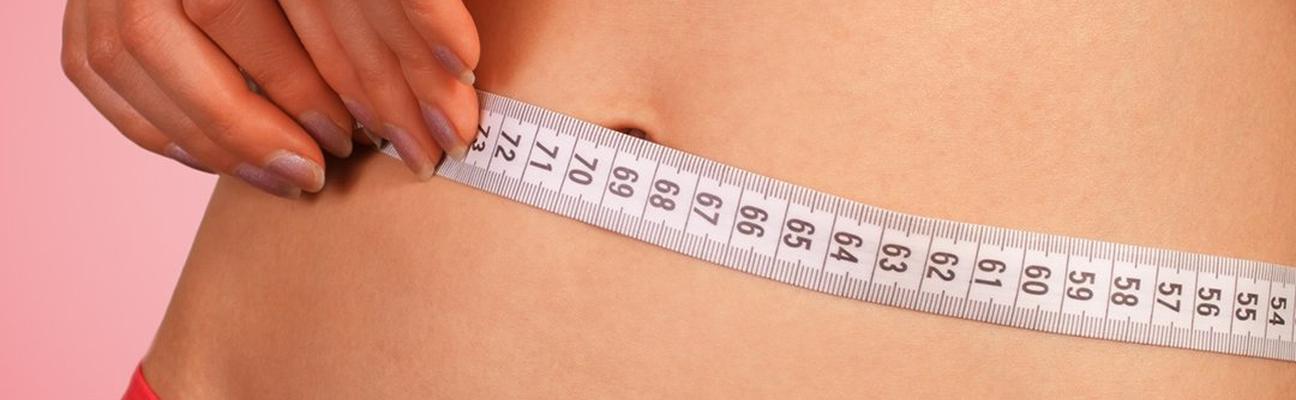


Posted on June 4, 2019 by Sally-Anne Turner
You've probably seen the headlines. "Average UK woman now size 16." "British women getting taller and heavier." "New statistics reveal typical body measurements." These stories pop up regularly, often accompanied by computer-generated images or statistics that feel simultaneously familiar and completely alien to your own experience. You might find yourself wondering: do I fit these averages? Should I? And what does it actually mean to be "average" anyway?
The truth is, the concept of an "average" woman is far more complex than a single set of measurements or a computer-generated image. Behind every statistic lies a diverse population of real women with different genetics, lifestyles, health conditions, and life stages. Understanding what these averages actually represent – and, more importantly, what they don't – can help you make more informed decisions about your own health and wellbeing.
Let's look at what the data really tells us about women in the UK today, and why your individual health matters far more than how you compare to any statistical average.
When researchers talk about the "average" UK woman, they're typically referring to median measurements taken from large population studies. The most recent comprehensive data comes from the Health Survey for England and similar studies conducted across the UK nations. These surveys measure thousands of women to establish baseline statistics about height, weight, body composition, and various health markers.
According to the latest available data, the average adult woman in the UK stands approximately 162cm (5'4") tall and weighs around 70.2kg (11 stone). Her waist measurement typically falls around 88cm, and she wears a dress size between 14 and 16. Her BMI sits at approximately 27, which technically places her in the "overweight" category according to standard BMI classifications.
But here's where things get interesting – and where the limitations of "average" become apparent. These figures represent the middle point of a vast range of measurements. They don't account for age, ethnicity, muscle mass, bone density, or dozens of other factors that influence body composition and health. A 25-year-old woman and a 65-year-old woman might both be "average" height, but their body composition, health needs, and ideal weight ranges could be completely different.
The average UK woman today is taller, heavier, and has a larger waist circumference than women measured in similar surveys from the 1950s and 1960s. In the 1950s, the average woman was around 157cm tall and weighed approximately 62kg. She wore a size 10-12, and her waist measurement was typically around 70cm.
These changes reflect multiple factors: improved childhood nutrition leading to increased adult height, changes in diet and physical activity patterns, an ageing population (older adults tend to weigh more than younger adults), and shifts in body composition across the lifespan. It's not simply a case of women "letting themselves go" – the picture is far more nuanced than tabloid headlines suggest.
When we talk about what the average woman looks like, weight is often the first measurement mentioned. But weight alone tells us remarkably little about health, fitness, or body composition. Two women of identical height and weight can look completely different and have vastly different health profiles depending on their muscle mass, bone density, and fat distribution.
Body composition – the ratio of fat mass to lean mass (muscle, bone, organs, and water) – provides much more meaningful information than weight alone. The average UK woman has a body fat percentage of around 32-35%, though this varies significantly with age. Women in their twenties might have body fat percentages around 25-30%, while women in their fifties and beyond often have percentages closer to 35-40%.
Perhaps more important than total body fat is where that fat is stored. Subcutaneous fat – the fat stored just under the skin – is relatively benign from a health perspective. Visceral fat – the fat stored around internal organs in the abdomen – is far more metabolically active and associated with increased health risks including type 2 diabetes, cardiovascular disease, and certain cancers.
The average UK woman's waist circumference of 88cm sits just at the threshold where health risks begin to increase. Women with waist measurements above 80cm have moderately increased health risks, while those above 88cm face substantially increased risks. This is why waist measurement has become such an important health marker – it's a simple, non-invasive way to assess visceral fat accumulation.
Muscle mass naturally declines with age, a process called sarcopenia. The average woman loses approximately 3-8% of her muscle mass per decade after age 30, with losses accelerating after age 60. This means that even if weight remains stable, body composition shifts toward higher fat percentages and lower lean mass as we age.
This loss of muscle mass has significant implications beyond appearance. Muscle is metabolically active tissue that helps regulate blood sugar, supports bone health, and maintains mobility and independence in later life. Women who maintain higher muscle mass throughout adulthood tend to have better metabolic health, stronger bones, and greater functional capacity as they age.
Beyond body measurements, population health statistics reveal important patterns about women's health in the UK. Understanding these averages can help contextualise your own health status and identify areas where you might benefit from additional support or intervention.
The average UK woman has a fasting blood glucose level of around 5.0-5.5 mmol/L, with levels typically rising with age. Approximately 10% of women have prediabetes (blood glucose between 5.7-6.4 mmol/L), while around 4-5% have diagnosed type 2 diabetes. However, many more women have undiagnosed diabetes or prediabetes, as these conditions often develop gradually without obvious symptoms.
Blood pressure averages around 120/75 mmHg in younger women, rising to approximately 130/80 mmHg by age 60. About one in four women has high blood pressure, though many don't know it because they've never had it checked or it's been years since their last measurement.
Cholesterol levels also tend to rise with age. The average total cholesterol for UK women sits around 5.5-6.0 mmol/L, with LDL ("bad") cholesterol around 3.5 mmol/L and HDL ("good") cholesterol around 1.6 mmol/L. Women typically have higher HDL levels than men, which offers some cardiovascular protection, particularly before menopause.
The average age of menopause in the UK is 51, though it can occur anywhere from the mid-forties to mid-fifties. Menopause brings significant changes to body composition, fat distribution, and metabolic health. The average woman gains 2-5kg during the menopausal transition, with fat redistributing from hips and thighs to the abdomen.
This shift isn't simply cosmetic – it represents a real change in metabolic risk. The protective effects of oestrogen on cardiovascular health, bone density, and insulin sensitivity diminish after menopause, making women more vulnerable to conditions like heart disease, osteoporosis, and type 2 diabetes. Understanding these changes can help women take proactive steps to protect their health during and after the menopausal transition.
The average UK woman's BMI of 27 places her in the "overweight" category according to standard classifications. But BMI has significant limitations as a health assessment tool, particularly for individuals rather than populations. BMI is calculated using only height and weight, without considering muscle mass, bone density, fat distribution, or overall body composition.
A muscular woman might have a high BMI despite having low body fat and excellent metabolic health. An older woman might have a "normal" BMI but high body fat percentage and low muscle mass – a condition called sarcopenic obesity that carries significant health risks. Ethnicity also affects how BMI relates to health risk, with some ethnic groups experiencing increased health risks at lower BMI levels than others.
This is why comprehensive health assessment goes far beyond stepping on scales or calculating BMI. A thorough evaluation considers multiple factors: waist circumference, body composition, blood pressure, blood glucose, cholesterol levels, family history, lifestyle factors, and individual health goals. Two women with identical BMIs might need completely different approaches to optimising their health.
At Bodyline Clinic, we understand that you're not a statistic. Your health journey is uniquely yours, influenced by your genetics, medical history, lifestyle, and personal circumstances. Our comprehensive health checks provide detailed insights into your individual health status, going far beyond simple weight and BMI measurements to give you a complete picture of your metabolic health, hormone levels, and overall wellbeing.
The "average" woman looks quite different at 25 than at 45 or 65. Understanding normal age-related changes can help you distinguish between natural shifts and changes that might benefit from intervention.
Women in their twenties and thirties typically have their highest muscle mass and bone density, with body fat percentages around 25-30%. Metabolism is generally robust, and most women find it relatively easier to maintain stable weight during these decades. However, this is also when many women experience significant life changes – career development, relationships, pregnancy, and early parenthood – that can impact eating patterns, physical activity, and stress levels.
Pregnancy and breastfeeding bring temporary but significant changes to body composition. The average woman gains 11-16kg during pregnancy, with most losing about half of this weight in the first six weeks postpartum. However, many women retain 2-5kg of pregnancy weight, which can accumulate across multiple pregnancies. Sleep deprivation during early parenthood can also affect appetite regulation and metabolism, making weight management more challenging during this life stage.
The forties and fifties bring perimenopause and menopause, with profound effects on body composition and metabolism. Even before periods stop completely, hormonal fluctuations can affect weight distribution, with fat increasingly accumulating around the abdomen rather than hips and thighs. Muscle mass begins declining more noticeably, and metabolism slows by approximately 2-5% per decade.
Many women find that eating patterns and activity levels that maintained stable weight in their thirties no longer work in their forties and fifties. This isn't failure or lack of willpower – it reflects real metabolic changes that require adjustments to nutrition and exercise approaches. The average woman gains 0.5-1kg per year during perimenopause, with most of this weight accumulating as abdominal fat.
Women over 60 face additional challenges related to age-related muscle loss, reduced bone density, and increased prevalence of chronic health conditions. The average woman in this age group has a BMI around 27-28, with body fat percentages typically 35-40% or higher. Muscle mass continues declining, making strength training and adequate protein intake increasingly important for maintaining mobility and independence.
However, this is also a life stage where many women have more time and resources to focus on their health. With children grown and career pressures often reduced, women in their sixties and beyond can prioritise exercise, nutrition, and preventative health care in ways that weren't possible during busier decades. For women in this age group considering weight loss treatment, a carefully considered, medically supervised approach can deliver significant health benefits while protecting muscle mass and bone density.
While being "average" doesn't automatically indicate health problems, many women find themselves struggling with weight-related health concerns that impact their quality of life. Understanding when to seek professional support can make the difference between years of frustration and effective, sustainable improvement.
You might benefit from professional weight management support if you're experiencing any of the following: difficulty losing weight despite consistent efforts with diet and exercise; weight that's affecting your mobility, joint health, or ability to enjoy daily activities; weight-related health conditions like type 2 diabetes, high blood pressure, or sleep apnoea; or simply feeling that your weight is preventing you from living the life you want.
Many women spend years trying different diets, exercise programmes, and weight loss approaches with limited success. This isn't because they lack willpower or commitment – it's because effective weight management, particularly for women with significant amounts to lose or complex health conditions, often requires medical support. Modern weight loss medications like Wegovy and Mounjaro work with your body's natural appetite and metabolism regulation systems to make weight loss more achievable and sustainable.
Medical weight loss treatment isn't about chasing an arbitrary "ideal" weight or trying to match some statistical average. It's about improving your health, reducing disease risk, and enhancing your quality of life. Even modest weight loss of 5-10% of body weight can deliver significant health benefits: improved blood glucose control, reduced blood pressure, better cholesterol levels, less joint pain, improved sleep, and enhanced mobility.
For women with type 2 diabetes, weight loss can be particularly transformative. Many women find that losing weight alongside appropriate medication allows them to reduce or even eliminate diabetes medications, with some achieving diabetes remission. The relationship between weight loss and diabetes management is well-established, and modern GLP-1 medications address both conditions simultaneously.
Some women have health conditions that make standard weight loss approaches unsuitable or require particularly careful medical supervision. If you have cardiovascular disease, gastrointestinal conditions, mental health concerns, or are over 70, you need a weight management approach that accounts for these complexities. Our specialised support programmes are designed specifically for women with complex health needs, ensuring that weight loss enhances rather than compromises overall health.
Women with cardiovascular conditions need careful monitoring during weight loss to ensure blood pressure and heart function remain stable. Those with gastrointestinal conditions may require modified approaches that account for digestive sensitivities. Women with current or previous mental health conditions benefit from additional psychological support and careful monitoring during treatment.
Perhaps the most important message about "average" statistics is this: they tell us almost nothing about you as an individual. You might be taller or shorter, heavier or lighter, with more or less muscle mass, different fat distribution, and a completely different health profile than any statistical average. And that's exactly as it should be.
Your health journey isn't about conforming to averages or achieving some idealised body type. It's about optimising your health, managing any existing conditions, reducing future disease risk, and feeling comfortable and capable in your body. This might mean losing weight, or it might mean focusing on building muscle, improving cardiovascular fitness, managing stress, or addressing hormone imbalances.
Understanding your individual health status requires more than comparing yourself to population averages. Comprehensive health screening provides detailed insights into your metabolic health, hormone levels, cardiovascular risk factors, and overall wellbeing. Our Explore Women's Health Check examines a full range of biomarkers to assess vital organ function, hormone balance, and general wellness, giving you a complete picture of your current health status.
For women approaching or experiencing menopause, understanding hormone levels can be the first step toward effective symptom management. Our Female Hormones Health Check specifically assesses hormone levels and essential vitamins and minerals, helping determine whether hormone replacement therapy might be beneficial.
Once you understand your individual health status, you can set meaningful, achievable goals that reflect your personal circumstances and priorities. These goals might include reaching a specific weight that reduces joint pain and improves mobility, achieving blood glucose levels that reduce diabetes risk, building muscle mass to support bone health and metabolism, or improving cardiovascular fitness to enhance energy and stamina.
The key is ensuring your goals are based on your health needs and life circumstances, not on arbitrary standards or comparisons with others. A healthy weight for you might be quite different from a healthy weight for your friend, sister, or colleague, even if you're the same height. Age, genetics, medical history, lifestyle, and personal health goals all influence what "healthy" looks like for you as an individual.
If you've been thinking about your health and wondering whether you could benefit from professional support, now might be the right time to take that next step. Whether you're concerned about your weight, experiencing symptoms that might be hormone-related, or simply want to understand your current health status better, professional assessment and support can provide clarity and direction.
At Bodyline Clinic, we specialise in helping women achieve their health goals through evidence-based, medically supervised treatment. Our approach is never one-size-fits-all. We take time to understand your individual health history, current concerns, and personal goals before developing a treatment plan tailored specifically to your needs.
Our services include comprehensive health screening, medically supervised weight loss programmes using the latest GLP-1 medications, hormone replacement therapy for menopausal symptoms, and ongoing support from experienced healthcare professionals who understand the complexities of women's health across the lifespan. Whether you're in your thirties, fifties, or seventies, we can help you optimise your health and wellbeing.
Your journey with Bodyline begins with a thorough consultation where we discuss your health history, current concerns, and personal goals. We'll review any existing medical conditions, medications, and previous weight loss attempts to understand what has and hasn't worked for you in the past. If appropriate, we'll arrange comprehensive health screening to assess your metabolic health, hormone levels, and overall wellbeing.
Based on this assessment, we'll develop a personalised treatment plan that might include weight loss medication, nutritional guidance, exercise recommendations, hormone therapy, or other interventions appropriate to your individual needs. Throughout your treatment, you'll have ongoing support from our clinical team, with regular monitoring to ensure you're achieving your goals safely and effectively.
We understand that starting any health treatment can feel daunting, particularly if you've struggled with weight or health concerns for years. That's why we're committed to providing compassionate, non-judgmental care that recognises you as an individual, not a statistic. Your concerns are valid, your goals are important, and you deserve professional support to help you achieve them.
Book a consultation today to discover how we can help you achieve your health goals. Whether you're looking to lose weight, manage menopausal symptoms, improve your metabolic health, or simply understand your current health status better, we're here to support you every step of the way. Your health journey is uniquely yours – let us help you navigate it with expert guidance, evidence-based treatment, and genuine care for your wellbeing.
Remember, being "average" doesn't define your health, your worth, or your potential. What matters is understanding your individual health needs and taking steps to optimise your wellbeing for the life you want to live. That journey starts with a single step – reaching out for the support you deserve.
BMI calculator
Enter your height and weight to work out your Body Mass Index in seconds.
Your BMI
Find out where you sit and what your options are
Your BMI
Our CQC-regulated clinical team will confirm your eligibility at consultation, in clinic or by video.
CQC regulated 4.8 on Trustpilot
If you'd like advice on your health and wellbeing, our team can talk you through the services we offer.
Explore our servicesWe'd recommend speaking to your GP, who can check everything is OK and offer the right support.
BMI ranges work differently for under 18s. Please speak to your GP for advice.
Please check your height and weight.
Contact us today
Find out more about how we can treat and support you to improve your health and wellbeing.

No-obligation advice from our CQC-regulated team, in clinic or by video.





