


Type 2 Diabetes and Weight Loss Injections in Later Life
Posted on October 16, 2026 by Sally-Anne Turner
You've been managing type 2 diabetes for years, maybe decades. Your medication list has grown longer, your blood sugar readings remain stubbornly high despite your best efforts, and now your doctor's mentioned that losing some weight could make a real difference. You've heard about weight loss injections like Wegovy and Mounjaro, and you're wondering whether they could help both your weight and your diabetes. But you're also worried – will they cause dangerously low blood sugar? How will they interact with your insulin or other diabetes tablets? And at seventy-plus, is it even safe to try?
These concerns are completely valid. Managing type 2 diabetes becomes more complex as we age, and adding another medication to your regimen requires careful consideration. The encouraging news is that GLP-1 weight loss injections can be remarkably effective for people over seventy with type 2 diabetes – often improving blood sugar control so dramatically that other diabetes medications can be reduced or even stopped. However, this potential for improved glucose control is precisely why careful medical supervision is essential. The risk of hypoglycemia – dangerously low blood sugar – increases when these medications are combined with certain diabetes treatments, particularly insulin and sulfonylureas.
This guide explains everything you need to know about using weight loss injections when you have type 2 diabetes in later life. We'll explore how these medications affect blood sugar, which diabetes drugs require dose adjustments, how to recognise and prevent hypoglycemia, and what improvements you can realistically expect in your diabetes management. This post builds on our comprehensive Weight Loss Injections for Over-70s: A Complete Guide, focusing specifically on the diabetes-related considerations that matter most to older adults.
How Weight Loss Injections Affect Blood Sugar Control
Understanding exactly how GLP-1 medications work on blood sugar helps explain both their benefits and their risks when combined with other diabetes treatments. These medications don't just suppress appetite – they have direct effects on glucose metabolism that make them particularly valuable for people with type 2 diabetes.
The Dual Action on Glucose
GLP-1 receptor agonists like semaglutide (Wegovy) and tirzepatide (Mounjaro) work through several mechanisms to improve blood sugar control. When you eat and your blood sugar rises, these medications stimulate your pancreas to release more insulin. This is glucose-dependent, meaning the effect only occurs when blood sugar is elevated – they don't trigger insulin release when your glucose is already normal or low.
Simultaneously, these medications suppress glucagon, a hormone that tells your liver to release stored glucose into your bloodstream. In people with type 2 diabetes, glucagon levels are often inappropriately high, causing the liver to pump out glucose even when it's not needed. By reducing glucagon, GLP-1 medications help prevent this excessive glucose production.
The third mechanism is indirect but equally important. By slowing gastric emptying – how quickly food leaves your stomach – these medications prevent the rapid spikes in blood sugar that occur after meals. Food is released more gradually into your small intestine, leading to a slower, more controlled rise in glucose levels. For many people with diabetes, these post-meal spikes are particularly difficult to control, so this effect can be transformative.
Weight Loss Amplifies the Benefits
The blood sugar improvements don't stop with the direct effects of the medication. As you lose weight, your insulin sensitivity improves dramatically. Fat tissue, particularly visceral fat around your organs, produces inflammatory chemicals that interfere with insulin signalling. When you lose this fat, your body's cells become more responsive to insulin, meaning you need less of it to move glucose out of your bloodstream and into your cells where it's used for energy.
Research shows that losing just 5-10% of your body weight can lead to significant improvements in HbA1c – the measure of your average blood sugar over the previous three months. Many people see their HbA1c drop by 1-2 percentage points or more, which is comparable to or better than the effect of adding another diabetes medication. Some people with type 2 diabetes who lose substantial weight even achieve remission, meaning their blood sugar returns to non-diabetic levels without medication.
For older adults, these improvements can be life-changing. Better blood sugar control reduces your risk of diabetes complications like vision problems, kidney disease, and nerve damage. It often means fewer medications, simpler treatment regimens, and less frequent blood sugar monitoring. Many people report feeling more energetic and experiencing fewer of the unpleasant symptoms associated with high blood sugar, like excessive thirst, frequent urination, and fatigue.
Understanding Hypoglycemia Risk in Older Adults
While improved blood sugar control sounds entirely positive, there's a critical balance to maintain. Blood sugar that drops too low – hypoglycemia – can be dangerous, particularly for people over seventy. Understanding this risk and how to prevent it is essential when starting weight loss injections.
Why Low Blood Sugar Is More Dangerous After Seventy
Hypoglycemia becomes more hazardous as we age for several reasons. Your body's counter-regulatory response – the hormonal mechanisms that raise blood sugar when it drops too low – becomes less effective with age. You might not experience the early warning symptoms like shakiness, sweating, or rapid heartbeat that younger people feel when their glucose starts falling. This "hypoglycemia unawareness" means your blood sugar can drop to dangerously low levels before you realise anything is wrong.
The consequences of severe hypoglycemia are also more serious in older adults. Low blood sugar affects brain function, causing confusion, difficulty concentrating, and impaired judgment. In severe cases, it can lead to loss of consciousness or seizures. For someone in their seventies, these effects significantly increase fall risk. A fall during a hypoglycemic episode can result in serious injuries like hip fractures, which carry substantial morbidity and mortality risks in older adults.
Hypoglycemia also places stress on your cardiovascular system. Your heart rate increases and blood pressure changes as your body tries to compensate for low glucose. If you have existing heart disease, these physiological stresses can potentially trigger cardiac events. Repeated episodes of hypoglycemia have been linked to increased cardiovascular risk and even cognitive decline over time.
Perhaps most concerning, research shows that older adults with diabetes who experience severe hypoglycemia have increased mortality risk in the months following the episode. This isn't meant to frighten you – it's to emphasise why preventing hypoglycemia through careful medication management is so important when starting weight loss treatment.
GLP-1 Medications Don't Usually Cause Hypoglycemia Alone
Here's the reassuring part: when used on their own, GLP-1 medications like Wegovy and Mounjaro rarely cause hypoglycemia. Remember that glucose-dependent insulin release we mentioned? Because these medications only stimulate insulin when blood sugar is elevated, they have a built-in safety mechanism. When your glucose drops to normal levels, the medication's effect on insulin release stops.
This is fundamentally different from medications like sulfonylureas or insulin, which can drive blood sugar down regardless of where it starts. Clinical trials of GLP-1 medications as monotherapy (used alone) show hypoglycemia rates similar to placebo – meaning these drugs aren't causing low blood sugar in people who aren't taking other glucose-lowering medications.
The problem arises when GLP-1 medications are combined with insulin or sulfonylureas. Now you have multiple medications all working to lower blood sugar, and the combined effect can be too much. Your blood sugar drops below normal, and you experience hypoglycemia. This is why medication adjustments are absolutely essential when starting weight loss injections if you're taking these other diabetes treatments.
Which Diabetes Medications Require Dose Adjustments
Not all diabetes medications carry the same hypoglycemia risk when combined with weight loss injections. Understanding which drugs need adjusting and which can typically be continued unchanged helps you know what to expect when starting treatment.
High-Risk Medications: Insulin
If you're taking insulin – whether basal insulin like Lantus, Levemir, or Tresiba, mealtime insulin like NovoRapid or Humalog, or premixed insulin – your doses will almost certainly need reducing when you start a GLP-1 weight loss injection. The degree of reduction depends on several factors including your current insulin doses, your blood sugar patterns, and which GLP-1 medication you're starting.
Typically, your prescribing clinician will reduce your insulin doses by 20-30% when you begin treatment. If you're taking basal insulin, this might mean reducing your once-daily dose from 40 units to 28-32 units. If you're on mealtime insulin, each dose might be reduced proportionally. These are starting adjustments – your insulin will likely need further reductions as you continue treatment and lose weight.
The challenge with insulin is that you're often managing it yourself with instructions to adjust doses based on your blood sugar readings. When you start a weight loss injection, you'll need new guidance on how to adjust your insulin. You might need to reduce your correction factor (how much one unit of insulin lowers your blood sugar) or increase your target blood sugar range temporarily to avoid overcorrecting and causing hypoglycemia.
Some people find that as they lose weight and their blood sugar control improves, they can stop mealtime insulin entirely and continue only basal insulin at a reduced dose. Others may be able to stop insulin altogether if their blood sugar remains well-controlled with the GLP-1 medication alone, possibly combined with metformin or other low-risk diabetes drugs. These decisions should always be made with your diabetes team, not independently.
High-Risk Medications: Sulfonylureas
Sulfonylureas are a class of diabetes tablets that stimulate insulin release from your pancreas. Common examples include gliclazide (Diamicron), glimepiride (Amaryl), and glibenclamide (also called glyburide). These medications work regardless of your blood sugar level, which is why they can cause hypoglycemia even when used alone.
When combined with GLP-1 medications, the hypoglycemia risk increases substantially. Both medications are stimulating insulin release, and the combined effect can drive blood sugar too low. For this reason, sulfonylureas often need to be reduced significantly or stopped entirely when starting weight loss injections.
Many clinicians will stop sulfonylureas completely at the start of GLP-1 treatment, particularly if your blood sugar control is already reasonable. The GLP-1 medication will provide glucose-lowering effects, and you can always restart the sulfonylurea later if needed (though this is rarely necessary). If your blood sugar is very high, your doctor might reduce the sulfonylurea dose initially rather than stopping it completely, then discontinue it as your glucose control improves.
The good news is that most people don't miss their sulfonylurea once they're established on a GLP-1 medication. Blood sugar control is typically as good or better, and the risk of hypoglycemia decreases significantly. Sulfonylureas also tend to cause weight gain, so stopping them supports your weight loss efforts rather than working against them.
Lower-Risk Medications: Metformin and Others
Metformin, the most commonly prescribed diabetes medication worldwide, doesn't cause hypoglycemia when used alone. It works by reducing glucose production in your liver and improving insulin sensitivity, but it doesn't stimulate insulin release. For this reason, metformin can usually be continued at the same dose when you start a weight loss injection.
In fact, many clinicians prefer to keep people on metformin during weight loss treatment. It supports the metabolic improvements from weight loss, has cardiovascular benefits, and may even help prevent some of the muscle loss that can occur during calorie restriction. Unless you're experiencing side effects from metformin or have developed kidney problems that make it unsuitable, you'll likely continue taking it throughout your weight loss treatment.
SGLT2 inhibitors (also called gliflozins) like empagliflozin (Jardiance), dapagliflozin (Forxiga), and canagliflozin (Invokana) also don't typically cause hypoglycemia. These medications work by causing your kidneys to excrete excess glucose in your urine. They can usually be continued when starting GLP-1 medications, though there's an important consideration: both drug classes can increase dehydration risk. You'll need to be particularly careful about maintaining adequate fluid intake if you're taking both medications.
DPP-4 inhibitors like sitagliptin (Januvia), saxagliptin (Onglyza), and linagliptin (Trajenta) work through a similar mechanism to GLP-1 medications, though less powerfully. They're sometimes continued alongside GLP-1 drugs, though the additional benefit is minimal. Some doctors prefer to stop DPP-4 inhibitors when starting GLP-1 medications to simplify your regimen, while others continue them. Neither approach is wrong – it depends on your individual circumstances.
Monitoring Your Blood Sugar: What to Check and When
When you start a weight loss injection while taking diabetes medications, increased blood sugar monitoring becomes essential. This helps you and your medical team identify patterns, adjust medications appropriately, and catch potential hypoglycemia before it becomes dangerous.
Frequency of Testing in the First Month
During your first month of treatment, you'll need to check your blood sugar more frequently than usual. If you're taking insulin or were taking sulfonylureas (even if they've been stopped), test your blood sugar at least four times daily: before breakfast, before lunch, before dinner, and before bed. This pattern captures your fasting glucose and helps identify low blood sugar before meals when you're most vulnerable.
If you're experiencing any symptoms that might indicate low blood sugar – shakiness, sweating, confusion, dizziness, or unusual hunger – test immediately regardless of your schedule. Don't wait to see if symptoms pass. Confirming whether your blood sugar is actually low helps you respond appropriately and provides valuable information for your medical team.
Some people benefit from additional testing two hours after meals, particularly if they're adjusting mealtime insulin doses. These post-meal readings help you understand how the slower gastric emptying from the GLP-1 medication is affecting your glucose response to food. You might find that your blood sugar doesn't rise as high after eating as it used to, which is positive, but it also means your mealtime insulin doses may need reducing.
Keep a detailed record of your readings, including the time of day, what you've eaten, and any symptoms you're experiencing. Many blood glucose meters now sync with smartphone apps that make tracking easier. Share this data with your prescribing clinician at your follow-up appointments so they can identify patterns and adjust your medications accordingly.
Understanding Your Target Range
Blood sugar targets often need adjusting when you start weight loss treatment, particularly if you're older or have a history of hypoglycemia. While standard targets for people with diabetes are typically 4-7 mmol/L before meals and below 10 mmol/L two hours after meals, these might be too tight when you're starting a new medication that affects glucose control.
Your clinician might temporarily raise your targets to reduce hypoglycemia risk during the adjustment period. For example, you might aim for 5-9 mmol/L before meals rather than 4-7 mmol/L. This gives you a buffer zone and reduces the likelihood of overcorrecting with insulin. As your doses are optimised and you're more stable on treatment, targets can be tightened again if appropriate.
It's also important to understand that some variation in blood sugar is normal and expected. You don't need perfect readings every time. What matters is the overall pattern – are your readings generally in range, with only occasional excursions? Are you avoiding hypoglycemia? Is your average glucose level (reflected in your HbA1c) improving? These are the markers of successful diabetes management, not whether every single reading hits your target.
Continuous Glucose Monitoring Considerations
If you're using a continuous glucose monitor (CGM) like the FreeStyle Libre or Dexcom, this provides even more valuable data when starting weight loss treatment. CGMs show you not just individual readings but trends – whether your glucose is rising, falling, or stable. This is particularly helpful for catching blood sugar that's dropping before it reaches hypoglycemic levels.
Many CGMs also have alarm features that alert you when your glucose drops below a certain threshold or is falling rapidly. These can be especially valuable for older adults with hypoglycemia unawareness who might not feel symptoms until blood sugar is dangerously low. You can set your low glucose alarm slightly higher than usual during the first few months of treatment to give yourself an early warning.
The time-in-range metric that CGMs provide is also useful. This shows what percentage of time your glucose stays within your target range. When starting weight loss treatment, you want to see your time-in-range improve while your time-below-range (hypoglycemia) stays low. If you're spending significant time below range, it's a clear signal that your diabetes medications need adjusting.
Recognising and Treating Hypoglycemia
Despite careful medication adjustments and monitoring, hypoglycemia can still occur occasionally when you're taking multiple diabetes medications. Knowing how to recognise and treat it quickly is essential for staying safe during treatment.
Symptoms to Watch For
Classic hypoglycemia symptoms include shakiness or trembling, sweating (particularly on the back of your neck), rapid heartbeat, anxiety or irritability, hunger, and dizziness. You might feel confused, have difficulty concentrating, or notice that your speech becomes slurred. Some people describe feeling weak or fatigued, or experiencing headaches when their blood sugar drops.
However, as mentioned earlier, older adults often experience fewer or different symptoms. You might not feel shaky or sweaty. Instead, you might notice subtle changes in your thinking or mood. Family members might notice that you seem confused or are acting differently before you're aware anything is wrong. This is why regular blood sugar testing is so important – you can't always rely on symptoms to alert you to a problem.
Nocturnal hypoglycemia – low blood sugar during sleep – can be particularly difficult to detect. You might wake up with a headache, feel unusually tired despite a full night's sleep, or notice that your nightclothes or sheets are damp from sweating. Some people have vivid dreams or nightmares when their blood sugar drops during sleep. If you experience any of these symptoms, test your blood sugar in the middle of the night for a few nights to check whether nocturnal hypoglycemia is occurring.
The 15-15 Rule for Treatment
If your blood sugar drops below 4 mmol/L, or if you're experiencing symptoms of hypoglycemia, treat immediately using the 15-15 rule. Consume 15 grams of fast-acting carbohydrate, wait 15 minutes, then retest your blood sugar. If it's still below 4 mmol/L, repeat the treatment.
Fast-acting carbohydrates include four glucose tablets, 150ml of fruit juice (not diet juice), five jelly babies, or three teaspoons of sugar dissolved in water. These pure carbohydrate sources raise blood sugar quickly. Chocolate, biscuits, or other foods containing fat aren't ideal for treating hypoglycemia because the fat slows down carbohydrate absorption.
Once your blood sugar has risen above 4 mmol/L and you're feeling better, eat a small snack containing carbohydrate and protein if your next meal is more than an hour away. This might be a slice of toast with peanut butter, a small bowl of cereal with milk, or a couple of crackers with cheese. This helps prevent your blood sugar from dropping again.
It's tempting to overtreat hypoglycemia, particularly when you're feeling awful. You want to eat everything in sight to make the horrible feeling go away. Resist this urge. Overtreating causes your blood sugar to spike high, which then leads to taking too much insulin to correct it, potentially causing another low later. Stick to the recommended amount of carbohydrate, wait the full 15 minutes before retesting, and trust that your blood sugar will rise.
When to Seek Medical Help
Most episodes of hypoglycemia can be treated at home using the methods described above. However, some situations require medical attention. If you're unable to swallow or have lost consciousness, someone should call 999 immediately. This is a medical emergency. Family members or carers should know how to place you in the recovery position and should never try to force food or drink into your mouth if you're unconscious.
If you have a glucagon emergency kit (a medication that rapidly raises blood sugar), someone trained in its use should administer it while waiting for emergency services. Glucagon is given as an injection or nasal spray and can be life-saving in severe hypoglycemia situations.
Even if you successfully treat hypoglycemia at home, contact your medical team if you're experiencing frequent episodes (more than two or three per week), if your blood sugar is dropping below 3 mmol/L, or if you're having severe episodes that require assistance from others. These patterns indicate that your diabetes medications need adjusting, and continuing without changes puts you at risk of dangerous hypoglycemia.
Long-Term Diabetes Management and Medication Reduction
One of the most rewarding aspects of weight loss treatment for people with type 2 diabetes is watching your medication needs decrease over time. Many people find that as they lose weight and their blood sugar control improves, they can reduce or even stop some diabetes medications they've been taking for years.
Progressive Medication Simplification
The reduction in diabetes medications usually happens gradually over several months. You might start by stopping sulfonylureas in the first month, as we've discussed. As you continue losing weight and your insulin sensitivity improves, your insulin doses might be reduced by 30%, then 50%, then 70% or more. Some people eliminate insulin entirely, managing their diabetes with the GLP-1 medication alone or combined with metformin.
This medication simplification brings multiple benefits beyond just having fewer tablets to take. Each medication you stop means one less potential side effect, one less thing to remember, and reduced cost. Many diabetes medications need to be taken at specific times or with food, so having fewer of them makes your daily routine less complicated. For people taking multiple medications for various conditions, simplifying your diabetes regimen can significantly improve your quality of life.
There's also a psychological benefit to reducing medications. Taking fewer diabetes drugs can feel like you're getting better, not just managing a chronic condition. Many people report feeling more in control of their health and more optimistic about their future when they're able to reduce their medication burden through weight loss and improved lifestyle habits.
HbA1c Improvements You Can Expect
HbA1c – your average blood sugar over the previous three months – is the key measure of long-term diabetes control. Most people starting weight loss injections see their HbA1c improve significantly over six to twelve months. Reductions of 1-2 percentage points are common, with some people achieving even greater improvements.
To put this in perspective, an HbA1c reduction of 1 percentage point (for example, from 8.5% to 7.5%) is considered clinically significant and is associated with substantial reductions in diabetes complications risk. Each percentage point reduction in HbA1c reduces the risk of microvascular complications (eye, kidney, and nerve damage) by about 37%. The improvements you achieve through weight loss and GLP-1 medication can genuinely change your long-term health trajectory.
Your first HbA1c test after starting treatment is usually done at three months. This gives enough time for the medication to take effect and for weight loss to begin improving insulin sensitivity. Don't be discouraged if the improvement isn't as dramatic as you hoped at this first test – changes continue occurring as you lose more weight. The six-month and twelve-month HbA1c tests often show even better results.
Can Type 2 Diabetes Go Into Remission?
This is a question many people ask, and the answer is encouraging: yes, type 2 diabetes can go into remission with substantial weight loss. Remission is defined as having an HbA1c below 6.5% (the diagnostic threshold for diabetes) without taking any diabetes medications except metformin. Some definitions require being off all diabetes medications including metformin.
Research shows that losing 15kg or more gives you the best chance of achieving remission, with about half of people who lose this amount achieving it. The likelihood of remission is higher if you've had diabetes for a shorter time and if your pancreas is still producing reasonable amounts of insulin. People who've had diabetes for many years or who have very little remaining insulin production are less likely to achieve remission, though they can still see substantial improvements in blood sugar control.
Even if you don't achieve complete remission, you might reach a state where your diabetes is much easier to manage, requiring fewer medications and less intensive monitoring. This is sometimes called "improved control" rather than remission, but it's still a significant achievement that reduces your complication risk and improves your quality of life.
It's important to understand that remission doesn't mean you're cured. Type 2 diabetes remains a chronic condition that requires ongoing management. If you regain weight or stop the medications that helped you achieve remission, your blood sugar will typically rise again. Remission requires maintaining your weight loss and healthy lifestyle habits long-term.
Practical Strategies for Safe Treatment
Beyond medication adjustments and blood sugar monitoring, several practical strategies can help you manage your diabetes safely while taking weight loss injections.
Meal Timing and Composition
The appetite suppression from GLP-1 medications can be so effective that you might not feel like eating much at all, particularly in the first few weeks. While this helps with weight loss, it can make blood sugar management more challenging if you're taking insulin or other medications that lower glucose. Skipping meals entirely when you're on insulin can cause hypoglycemia.
Try to eat at roughly consistent times each day, even if you're only having small amounts. This makes it easier to time your insulin doses appropriately and reduces the risk of unpredictable blood sugar swings. If you're genuinely not hungry at a usual meal time, have something small – a piece of fruit, a small yogurt, or a handful of nuts – rather than skipping the meal entirely.
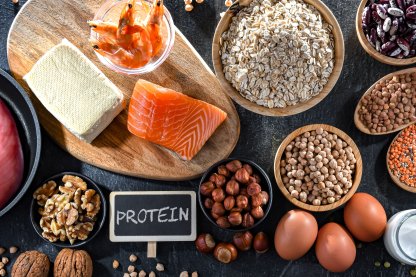
Focus on protein-rich foods at each meal. Protein helps preserve muscle mass during weight loss, which is particularly important for older adults. It also has minimal effect on blood sugar, so you can eat adequate protein without worrying about glucose spikes. Good options include eggs, fish, chicken, Greek yogurt, cottage cheese, and legumes. Aim for at least 20-30 grams of protein at each meal.
Include some complex carbohydrates at meals to provide sustained energy and prevent hypoglycemia. Whole grains, vegetables, and legumes provide carbohydrates along with fibre, vitamins, and minerals. They raise blood sugar more gradually than refined carbohydrates, making them easier to manage with insulin. Avoid very low-carbohydrate diets unless specifically advised by your diabetes team, as they can make insulin dosing more difficult.
Staying Hydrated
We've mentioned hydration several times, but it's worth emphasising again because it's so important when you're taking both diabetes medications and weight loss injections. Dehydration can affect blood sugar readings, making them appear higher than they actually are. It can also affect kidney function, which is particularly concerning if you're taking medications that are cleared by your kidneys.
Keep a water bottle with you throughout the day and sip regularly. Don't wait until you feel thirsty – by the time you notice thirst, you're already mildly dehydrated. Aim for your urine to be pale yellow. If it's dark, you need to drink more. If you're experiencing side effects like nausea or diarrhoea, increase your fluid intake to compensate for losses.
Be cautious with caffeinated drinks, as caffeine has a mild diuretic effect that can increase fluid losses. This doesn't mean you need to avoid tea or coffee entirely, but don't count them as your only fluid intake. Water, herbal teas, and diluted fruit juice all contribute to hydration.
Exercise Considerations
Physical activity is beneficial for diabetes management, weight loss, and overall health. However, exercise lowers blood sugar, which adds another variable to manage when you're taking diabetes medications. If you're on insulin, you may need to reduce your dose before planned exercise or eat a small carbohydrate snack to prevent hypoglycemia during activity.
Test your blood sugar before, during (if exercising for more than an hour), and after exercise to understand how different activities affect your glucose. Walking typically causes a gradual, modest decrease in blood sugar. More intense activities can cause blood sugar to drop more quickly. Very intense exercise can sometimes cause blood sugar to rise initially due to stress hormone release, then fall several hours later.
Always carry fast-acting carbohydrate with you when exercising, even on short walks. Glucose tablets are convenient because they don't require refrigeration and won't get crushed in your pocket. If you feel symptoms of hypoglycemia during exercise, stop immediately, test your blood sugar, and treat if needed. Don't try to push through low blood sugar – it's dangerous.
Working With Your Healthcare Team
Successfully managing type 2 diabetes while taking weight loss injections requires coordination between multiple healthcare providers. Your GP, practice nurse, diabetes specialist nurse, and the clinician prescribing your weight loss medication all play important roles.
Communication Between Providers
Make sure all your healthcare providers know about all your medications, including the weight loss injection. Your GP needs to know you're starting this treatment so they can monitor for interactions and adjust your other medications appropriately. If you see a diabetes specialist nurse for your diabetes care, they should be informed as well so they can support you with insulin adjustments and blood sugar monitoring.
At Bodyline, we communicate with your GP when you start treatment, particularly if you have diabetes or other significant health conditions. However, it's helpful if you also mention it at your next GP appointment or diabetes review. Bring your blood sugar records to show how your glucose control is changing, as this helps your diabetes team make informed decisions about medication adjustments.
If you attend a hospital diabetes clinic, inform your consultant that you're taking a weight loss injection. They may want to adjust your follow-up schedule or arrange additional appointments to monitor your progress. Don't assume that different parts of the healthcare system automatically communicate with each other – be proactive in sharing information about your treatment.
When to Seek Specialist Support
Most people with type 2 diabetes can safely use weight loss injections with appropriate monitoring and medication adjustments. However, some situations benefit from specialist diabetes input. If you have very complex diabetes requiring multiple daily insulin injections, an insulin pump, or frequent hypoglycemia, you might benefit from specialist support during the transition to weight loss medication.
At Bodyline, our specialised support service for people aged 70+ provides enhanced monitoring and coordination for older adults with complex medical needs. This includes people with diabetes requiring careful medication management. Our experienced clinicians work closely with your existing diabetes team to ensure safe, effective treatment that addresses your individual circumstances.
If you experience repeated hypoglycemia despite medication adjustments, if your blood sugar becomes difficult to control, or if you're unsure how to adjust your insulin doses as you lose weight, don't hesitate to ask for additional support. Managing diabetes is complex, and there's no shame in needing expert help to get it right.
Take Control of Your Diabetes and Your Weight
Living with type 2 diabetes in your seventies doesn't mean accepting poor blood sugar control or resigning yourself to an ever-increasing medication list. Weight loss injections offer a genuine opportunity to improve your diabetes management, reduce your medication burden, and enhance your overall health and wellbeing. Yes, careful monitoring is essential, particularly in the early weeks of treatment. Yes, medication adjustments are necessary to prevent hypoglycemia. But with appropriate medical supervision and your active participation in monitoring and self-care, these treatments can be used safely and effectively.
The potential benefits are substantial. Better blood sugar control reduces your risk of serious complications like vision loss, kidney disease, and nerve damage. Losing weight often means less joint pain, improved mobility, and greater independence. Many people find that their energy levels improve, they feel more confident, and they're able to do activities they'd given up on. These aren't minor quality-of-life improvements – they're changes that can genuinely transform your daily experience and your long-term health prospects.
At Bodyline, we understand the unique challenges of managing diabetes in later life. Our team has extensive experience supporting older adults through weight loss treatment, with protocols specifically designed to prevent hypoglycemia, coordinate with your existing diabetes care, and monitor for age-related complications. We don't just prescribe medication and send you on your way – we provide ongoing support, regular monitoring, and adjustments to your treatment plan as your needs change.
Book a free consultation today to discover how we can help you improve your diabetes control and achieve your weight loss goals safely. Our experienced clinicians will review your complete medical history, discuss your current diabetes treatment, and develop a personalised plan that addresses your individual needs. You can visit one of our