Best Tips for Good Nutrition Through the Menopause
Posted on October 17, 2023 by Sally-Anne Turner
The menopause is the natural end to a woman's reproductive life, generally occurring between the ages of 45 and 54, though some women may experience it earlier or later depending on various factors, including genetics, lifestyle, and overall health. It is characterised by uncomfortable and sometimes debilitating symptoms, including hot flashes, insomnia, weight gain, and mental health issues that can significantly impact daily life, relationships, and professional performance. The menopause is caused by hormonal changes, including a decline in oestrogen and progesterone levels, which is why many women tend to seek natural ways to balance their hormone levels and nutrients to reduce the severity of their symptoms.
Understanding the menopause as a natural transition rather than a medical condition can help women approach this life stage with confidence and empowerment. However, the physical and emotional challenges associated with declining hormone levels are very real and can affect everything from sleep quality and energy levels to bone density and cardiovascular health. This is why nutrition becomes increasingly important during this time – what you eat can either support your body through these changes or potentially exacerbate uncomfortable symptoms.
At Bodyline Clinic, we've supported thousands of women through their menopause journey over our 18 years of specialist clinical experience. Our approach combines personalised hormone replacement therapy with comprehensive nutritional guidance, recognising that optimal menopause management requires addressing both hormonal balance and dietary needs. With seven CQC-regulated clinics across the Northwest of England and nationwide telehealth services, we make expert menopause care accessible to women throughout the UK.
How Can Nutrition Impact Menopausal Symptoms?
Nutrition can play a crucial role in managing menopausal symptoms and supporting overall well-being during this transitional period. A balanced diet can help alleviate symptoms such as hot flashes, improve mood stability, support bone health, and manage weight fluctuations. A diet rich in nutrients can naturally supplement the vitamins and minerals the body lacks at this stage in a woman's life.
The connection between what you eat and how you feel during menopause is more significant than many women realise. When oestrogen levels decline, your body undergoes numerous metabolic changes that affect how you process nutrients, store fat, regulate blood sugar, and maintain bone density. These changes mean that the dietary patterns that worked well in your twenties and thirties may no longer serve you effectively during perimenopause and menopause.
Research has consistently demonstrated that women who maintain nutrient-dense diets during menopause experience fewer and less severe symptoms compared to those whose diets are high in processed foods, refined sugars, and unhealthy fats. This isn't about restrictive dieting or eliminating entire food groups – it's about making informed choices that support your changing hormonal landscape and provide your body with the building blocks it needs to function optimally.
One of the most significant ways nutrition impacts menopausal symptoms is through blood sugar regulation. Fluctuating blood sugar levels can trigger or worsen hot flashes, contribute to mood swings, disrupt sleep patterns, and increase cravings for unhealthy foods. By focusing on balanced meals that combine protein, healthy fats, and complex carbohydrates, you can maintain more stable blood sugar levels throughout the day, which often translates to fewer hot flashes and better emotional balance.
Inflammation is another key factor that nutrition can address. The hormonal changes of menopause can increase inflammatory markers in the body, contributing to joint pain, brain fog, and increased risk of chronic diseases. Anti-inflammatory foods – including colourful fruits and vegetables, omega-3 rich fish, nuts, seeds, and olive oil – can help counteract this inflammatory response and support overall health during this transition.
That being said, sometimes nutrients cannot be properly absorbed through the diet alone, particularly as digestive efficiency can decline with age. Factors such as reduced stomach acid production, changes in gut bacteria, and certain medications can all interfere with nutrient absorption. In these cases, women can turn to supplementation with pills, powders, capsules, and liquids to ensure they're meeting their nutritional needs. However, supplementation should always be based on individual assessment rather than a generalised approach, which is why Bodyline's M Plan includes comprehensive blood testing to identify specific deficiencies.
Best Foods to Eat Through the Menopause
Including the following foods in your diet can help support your health and well-being during the menopause:
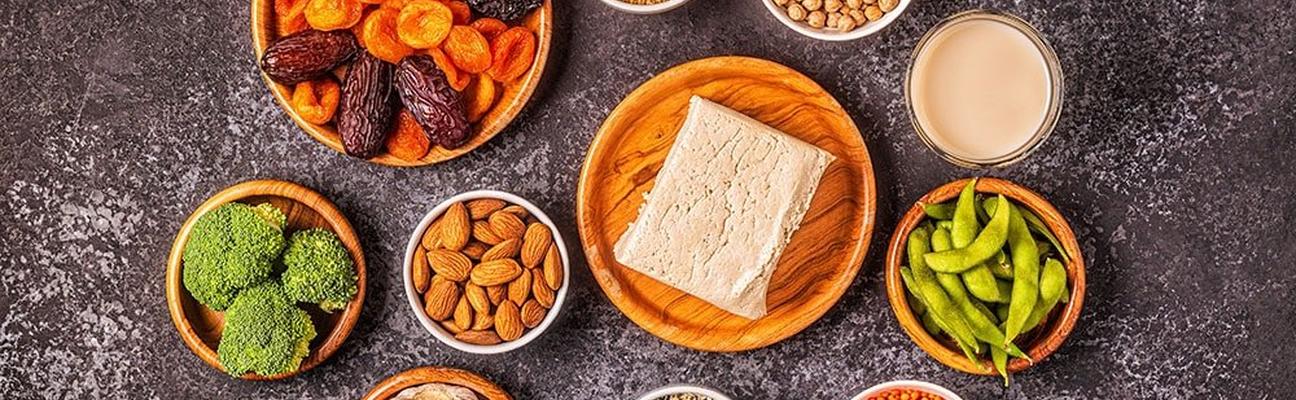
- Plant-Based Foods: Incorporate plenty of fruits, vegetables, whole grains, and legumes into your meals. These foods are rich in vitamins, minerals, and fibre, which can help regulate hormone levels and support overall health. These foods are also great for heart health, which is important for menopausal women as cardiovascular disease risk increases at this stage of life. Aim to fill at least half your plate with vegetables at each meal, choosing a rainbow of colours to ensure you're getting a wide variety of phytonutrients. Dark leafy greens like spinach, kale, and Swiss chard are particularly valuable, as they provide calcium, magnesium, and iron – all nutrients that become increasingly important during menopause. Cruciferous vegetables such as broccoli, cauliflower, and Brussels sprouts contain compounds that support healthy oestrogen metabolism, potentially helping your body process hormones more effectively. Berries are excellent choices for their high antioxidant content, which can help combat oxidative stress and inflammation associated with hormonal changes. When selecting whole grains, opt for options like quinoa, brown rice, oats, and barley, which provide sustained energy without causing dramatic blood sugar spikes that can trigger hot flashes or mood swings.
- Calcium-Rich Foods: As oestrogen levels decline during the menopause, maintaining bone health becomes essential. Oestrogen plays a role in supporting bone density, so when it decreases, women can be more prone to osteoporosis and fractures. By including calcium-rich foods like dairy products and leafy green vegetables, women can support their bone health and slow bone loss. Moreover, dairy includes vitamin D, vitamin K, and magnesium, which also promote bone strength. If you're lactose intolerant or prefer plant-based options, consider fortified plant milks, tinned sardines or salmon with bones, almonds, tahini, and calcium-set tofu. It's worth noting that calcium absorption is enhanced when consumed with vitamin D and in smaller doses throughout the day rather than one large amount. Women over 50 should aim for approximately 1,200 mg of calcium daily, which might mean three to four servings of calcium-rich foods spread across meals and snacks. Don't forget that some leafy greens like kale and collard greens provide both calcium and vitamin K, making them particularly valuable for bone health during menopause.
- Healthy Fats: Go for sources of healthy fats, like omega-3s, found in avocados, nuts, seeds, and fatty fish like salmon. These fats have been found to reduce night sweats, as well as contribute to hormone production and alleviate symptoms like joint pain and mood swings. Omega-3 fatty acids are particularly important during menopause, as they support brain health and cardiovascular function and can help reduce inflammation throughout the body. Aim to include fatty fish such as salmon, mackerel, sardines, or herring at least twice weekly. If you're vegetarian or vegan, consider plant-based omega-3 sources like flaxseeds, chia seeds, hemp seeds, and walnuts, though you may need higher amounts as plant-based omega-3s are less efficiently converted by the body. Extra virgin olive oil is another excellent choice, providing monounsaturated fats that support heart health and may help with weight management. Avocados offer healthy fats along with fibre and potassium, making them a nutrient-dense addition to meals. Don't be afraid of including these fats in your diet – they're essential for hormone production, help you feel satisfied after meals, and support the absorption of fat-soluble vitamins like vitamins A, D, E, and K.
- Soy Products: Soybeans and soy products contain compounds called phytoestrogens, which have oestrogen-like effects in the body. Including soy foods like tofu, tempeh, and edamame may help manage menopausal symptoms by mimicking oestrogen. Research on soy and menopause symptoms has produced mixed results, but many women report benefits from regular consumption of whole soy foods. It's important to distinguish between whole soy foods and highly processed soy products or isolated soy protein – whole food sources are generally considered more beneficial. Fermented soy products like tempeh, miso, and natto may be particularly valuable, as fermentation can enhance nutrient availability and support gut health. If you're new to soy, start with small amounts and gradually increase to assess how your body responds. Some women find that consuming soy regularly helps reduce the frequency and intensity of hot flashes, though individual responses vary considerably. Aim for one to two servings of whole soy foods daily if you find them helpful, but don't feel pressured to include soy if it doesn't agree with you – there are many other ways to support your body during menopause.
- Protein-Rich Foods: As oestrogen decreases, so does the mass of your muscles and the strength of your bones. Ensure an adequate intake of protein from sources like lean meats, poultry, fish, eggs, dairy products, legumes, and plant-based protein alternatives. Protein supports muscle health, metabolism, and hormone production. During menopause, maintaining muscle mass becomes increasingly challenging due to hormonal changes and age-related muscle loss, making adequate protein intake more important than ever. Research suggests that women over 50 may benefit from consuming slightly more protein than younger women – approximately 1.0 to 1.2 grams per kilogram of body weight daily. This means a woman weighing 70kg might aim for 70-84 grams of protein spread throughout the day. Distributing protein across all meals rather than concentrating it at dinner can help optimise muscle protein synthesis. Good protein choices include eggs at breakfast, Greek yoghurt as a snack, a palm-sized portion of chicken or fish at lunch, and legumes or lean meat at dinner. Plant-based protein sources like lentils, chickpeas, black beans, and quinoa also provide fibre, which supports digestive health and can help with weight management. If you're struggling to meet your protein needs through food alone, particularly if you have a reduced appetite, consider discussing protein supplementation with a healthcare professional at your nearest Bodyline clinic.
- Hydration: Stay hydrated by drinking plenty of water throughout the day. Limit caffeine and alcohol, as they can exacerbate symptoms like hot flashes and disrupt sleep. Proper hydration is often overlooked but plays a crucial role in managing menopausal symptoms. Dehydration can worsen hot flashes, contribute to headaches, affect cognitive function, and make you feel more fatigued. Aim for at least eight glasses of water daily, and more if you're physically active or experiencing frequent hot flashes that cause sweating. Herbal teas can contribute to your fluid intake while providing additional benefits – peppermint tea may help with digestive comfort, chamomile can support relaxation and sleep, and sage tea has been traditionally used to help manage hot flashes and night sweats. While caffeine doesn't need to be eliminated entirely for most women, moderating intake to one or two cups of coffee or tea daily and avoiding caffeine after mid-afternoon can help improve sleep quality. Alcohol can trigger hot flashes, interfere with sleep quality, and contribute to mood swings, so many women find that reducing alcohol consumption or saving it for special occasions helps them feel better overall. If you do choose to drink alcohol, do so with food and ensure you're well-hydrated with water before, during, and after consumption.
It's also crucial to lead an active lifestyle with plenty of physical activity and movement. This improves heart health and decreases the risk of cardiovascular disease, which becomes a more significant concern for women after menopause when the protective effects of estrogen decline. Regular physical activity also supports bone density, helps maintain muscle mass, improves mood and sleep quality, and can help manage weight. You don't need to engage in intense exercise – even moderate activities like brisk walking, swimming, cycling, or dancing for 30 minutes most days of the week can provide substantial benefits. Combining aerobic activity with strength training exercises at least twice weekly is ideal for maintaining muscle mass and bone strength during and after menopause.
Contact Bodyline today to find out more about our hormone replacement therapy treatments
Which Supplements should I take through the menopause?
While a balanced diet could provide some of the necessary nutrients, women may benefit from taking specific supplements during the menopause. It is always best to consult with professionals to determine if supplementation is necessary based on your individual needs.
In medical wellness clinics like Bodyline, blood tests and analysis are available to identify the specific nutrients, vitamins, and hormones that you need to supplement during your menopause journey. No two women are the same, which is why treatments targeting menopause symptoms shouldn't be a one-size-fits-all approach. Your individual needs depend on numerous factors including your diet, sun exposure, digestive health, medications you're taking, and your genetic makeup.
We test for estrogen, progesterone, DHEA, testosterone, as well as vitamin D, vitamin B12, zinc, and magnesium. Only by a specialist menopause nurse analysing your blood results and medical history can you be sure how to correctly treat your menopausal symptoms with titrated prescriptions and supplements. This personalised approach ensures you're not wasting money on supplements you don't need while addressing the specific deficiencies that may be contributing to your symptoms.
At Bodyline, our comprehensive M Plan begins with thorough blood testing to establish your baseline hormone levels and identify any nutritional deficiencies. This evidence-based approach allows our specialist menopause nurses to create a truly personalised treatment plan that addresses your unique needs. We don't believe in generic supplement protocols – what works for one woman may not be appropriate for another, and unnecessary supplementation can sometimes cause imbalances or unwanted side effects.
Common supplements for menopause include:
- Vitamin D: As sunlight exposure decreases and the risk of vitamin D deficiency increases, supplementation may be necessary to support bone health and immune function. Vitamin D helps the body absorb calcium, also crucial in preventing osteoporosis. Calcium supplementation may also be necessary if there is not enough through diet alone. In the UK, where sunlight exposure is limited for much of the year, vitamin D deficiency is extremely common, particularly among older adults. The NHS recommends that everyone consider taking a vitamin D supplement during autumn and winter months, and some people may need supplementation year-round. Vitamin D isn't just important for bone health – it also plays roles in immune function, mood regulation, and muscle strength. Many women find that optimising their vitamin D levels helps with energy, mood, and overall wellbeing during menopause. Blood testing can determine your current vitamin D status and help establish the appropriate supplementation dose, which typically ranges from 1,000 to 4,000 IU daily depending on individual needs. Vitamin D3 (cholecalciferol) is generally considered more effective than vitamin D2 (ergocalciferol), and taking it with a meal containing some fat can enhance absorption since it's a fat-soluble vitamin.
- Magnesium: Magnesium plays a role in managing symptoms like muscle cramps, sleep disturbances, and mood swings. If magnesium levels are low, it is important to supplement this mineral, as it improves heart health, reduces blood pressure, decreases risk of diabetes, and helps to combat osteoporosis. Since these problems can be worsened throughout the menopause, magnesium is a great supplement to take throughout this life stage. Magnesium is involved in over 300 biochemical reactions in the body, including energy production, muscle and nerve function, blood glucose control, and bone health. Many women are deficient in magnesium without realising it, as modern diets often fall short and stress can deplete magnesium levels. During menopause, adequate magnesium becomes even more important as it can help with sleep quality, reduce anxiety, ease muscle tension, and support bone density. Different forms of magnesium are available, and some are better absorbed than others – magnesium glycinate is often well-tolerated and less likely to cause digestive upset, while magnesium citrate can be helpful if constipation is an issue. Magnesium threonate may be particularly beneficial for cognitive function and mood. The recommended daily amount for women is approximately 320mg, though some women may benefit from higher doses under professional guidance. Taking magnesium in the evening can be particularly helpful for promoting relaxation and better sleep quality.
- Zinc: During the menopause, zinc supplementation helps alleviate symptoms such as hot flashes, night sweats, and mood swings. Additionally, zinc is known for its immune-boosting properties. This is because zinc plays a crucial role in various bodily functions, including hormone regulation, immune system function, and cell growth. Zinc is also important for skin health, wound healing, and maintaining your sense of taste and smell. Many women notice that their immune function becomes less robust during menopause, and adequate zinc levels can help support your body's natural defenses. Zinc also plays a role in thyroid function, which can be affected during menopause. However, zinc supplementation should be approached carefully as too much zinc can interfere with copper absorption and cause other imbalances. Blood testing can help determine if you need zinc supplementation and at what dose. If supplementing, 15-30mg daily is typically sufficient for most women, and it's best taken with food to avoid stomach upset. Good dietary sources of zinc include oysters, red meat, poultry, beans, nuts, and whole grains, so increasing these foods in your diet may be sufficient without supplementation.
- Vitamin B12: Vitamin B12 is essential for nerve function and red blood cell production. It is also proven to help with cognitive ability, and for menopausal women suffering with brain fog and memory loss this can be a huge relief. Supplementation is necessary for individuals with low B12 levels but is also advised for those who follow a vegetarian or vegan diet. Vitamin B12 is available from Bodyline in the form of injections and sublingual sprays. As we age, our ability to absorb vitamin B12 from food can decline due to reduced stomach acid production, which is necessary for B12 absorption. This means that even if you're consuming adequate B12 through diet, you may not be absorbing it efficiently. Symptoms of B12 deficiency can include fatigue, weakness, constipation, loss of appetite, weight loss, numbness or tingling in the hands and feet, difficulty maintaining balance, depression, confusion, poor memory, and soreness of the mouth or tongue. Many of these symptoms overlap with common menopause symptoms, which is why testing is important to identify whether B12 deficiency is contributing to how you feel. For women with absorption issues, B12 injections or sublingual sprays can be more effective than oral tablets as they bypass the digestive system. Regular B12 supplementation can help maintain energy levels, support cognitive function, and contribute to overall wellbeing during menopause.
Beyond these commonly recommended supplements, some women may benefit from additional support depending on their individual circumstances. Omega-3 supplements can be valuable if you don't regularly consume fatty fish. Probiotics may support digestive health and immune function, which can be affected during menopause. Evening primrose oil has been traditionally used for menopause symptoms, though scientific evidence is mixed. Black cohosh is another supplement some women find helpful for hot flashes, though it's important to discuss this with a healthcare provider as it may interact with certain medications.
Remember to consult with a healthcare professional, such as Bodyline menopause clinicians before starting any new supplements to ensure they are suitable for your specific needs and health condition. Some supplements can interact with medications, and taking unnecessary supplements can be wasteful at best and potentially harmful at worst. Our specialist nurses can review your blood test results, current medications, symptoms, and health goals to recommend a supplement protocol that's truly tailored to your needs.
Improving Your Nutrition with Bodyline's M Plan
Bodyline's M Plan is a comprehensive medical wellness program designed to support women during the menopause. In addition to providing personalized guidance and support, the M Plan offers nutrition-focused solutions to help manage menopausal symptoms. Our approach recognises that optimal menopause management requires addressing both hormonal balance and nutritional needs in a coordinated, personalised way.
What sets Bodyline's M Plan apart from generic menopause treatments is our commitment to individualised care based on comprehensive testing and ongoing monitoring. We don't believe in prescribing the same treatment to every woman – instead, we take time to understand your unique hormonal profile, nutritional status, symptoms, medical history, and health goals to create a treatment plan that's specifically designed for you.
By using the M Plan, you can:
- Receive expert guidance on nutrition and dietary choices during the menopause based on blood test results and analysis. Our specialist menopause nurses will review your results in detail, explaining what they mean for your health and how specific nutritional changes can help address any deficiencies or imbalances identified. You'll receive practical, actionable advice on meal planning, food choices, portion sizes, and eating patterns that support your hormonal health and overall wellbeing. We understand that dietary recommendations need to fit into your real life, so we work with you to develop an eating approach that's sustainable, enjoyable, and effective rather than restrictive or overwhelming.
- Be fully supported through a personalised hormone replacement therapy treatment, with prescriptions titrated based on your needs and symptoms. Our approach to HRT is flexible and responsive – we start with an appropriate dose based on your test results and symptoms, then adjust as needed based on how you respond. This titration process ensures you receive the optimal hormone balance for your body, minimising side effects while maximising symptom relief. We offer various HRT formulations including patches, gels, tablets, and pessaries, allowing us to tailor your treatment to your preferences and needs. Throughout your treatment, you'll have regular check-ins with your dedicated menopause nurse who will monitor your progress, adjust your prescription as needed, and provide ongoing support and guidance.
- Access comprehensive blood testing to identify specific hormone levels and nutritional deficiencies that may be contributing to your symptoms. This testing goes beyond basic hormone panels to include assessment of key nutrients like vitamin D, vitamin B12, iron, and thyroid function. Understanding your individual biochemistry allows us to address the root causes of your symptoms rather than just masking them.
- Benefit from ongoing support and monitoring throughout your menopause journey. The M Plan isn't a one-time consultation – it's a continuous partnership where we support you through the various stages of perimenopause, menopause, and post-menopause. As your needs change, we adjust your treatment accordingly, ensuring you always receive the most appropriate care.
- Connect with a team of experienced, compassionate healthcare professionals who specialise in menopause care. Our nurses have extensive training in menopause management and stay current with the latest research and treatment options. They understand the physical and emotional challenges of this life stage and provide judgment-free, supportive care that empowers you to take control of your health.
The M Plan is available at all Bodyline clinic locations across the Northwest of England, including our clinics in Birkenhead, Liverpool, Manchester, St Helens, Stockport, Stoke-on-Trent, and Warrington. We also offer convenient online video consultations for women throughout the UK who prefer the flexibility of telehealth appointments or who don't live near one of our physical clinics.
Many women who come to Bodyline have struggled for months or even years with menopause symptoms, often feeling dismissed by healthcare providers or offered only generic solutions that don't address their individual needs. Our M Plan provides the personalised, comprehensive care that women deserve during this significant life transition. We take time to listen to your concerns, validate your experiences, and work collaboratively with you to develop a treatment approach that helps you feel like yourself again.
Remember, good nutrition can be essential for managing menopausal symptoms and supporting overall well-being. By adopting a balanced diet, considering appropriate supplementation, and seeking guidance from professionals like Bodyline, you can navigate the menopause with confidence and vitality. You don't have to accept uncomfortable symptoms as an inevitable part of aging – with the right support and treatment, most women can achieve significant symptom relief and maintain excellent health and quality of life throughout menopause and beyond.
Nutrition during menopause isn't about following rigid diet rules or eliminating foods you enjoy – it's about making informed choices that support your changing body, provide the nutrients you need, and help you feel your best. Combined with appropriate hormone replacement therapy when needed, good nutrition can transform your menopause experience from one of struggle and discomfort to one of vitality and wellbeing.
If you're looking for personalized support and guidance on taking supplements during the menopause, contact Bodyline today at 0800 995 6036 or visit our website to learn more about our comprehensive medical wellness programs. Book a consultation at Bodyline Clinic to discuss how our M Plan can help you manage your menopause symptoms through personalised hormone replacement therapy and targeted nutritional support. Our specialist menopause nurses are ready to help you understand your options and develop a treatment plan that's right for you.
Whether you're just beginning to experience perimenopausal symptoms or you've been struggling with menopause for years, it's never too late to seek support. With the right combination of hormone replacement therapy, nutritional optimisation, and lifestyle modifications, you can reclaim your energy, comfort, and confidence. Don't let menopause symptoms hold you back from living your life fully – reach out to Bodyline today and take the first step toward feeling like yourself again.