CQC-regulated clinics & online consultations
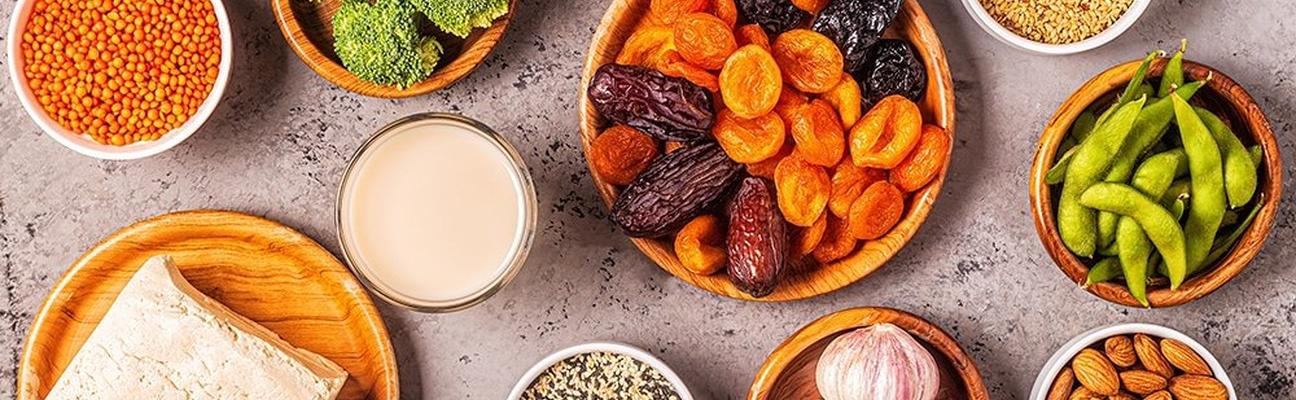


Posted on June 12, 2023 by Sally-Anne Turner
Menopause and perimenopause are natural biological processes that mark the end of a woman's reproductive years. During this period, the levels of oestrogen hormones in the body decrease significantly, causing various symptoms such as hot flashes, mood swings, and vaginal dryness. This hormonal transition typically begins in a woman's late 40s or early 50s, though the timing can vary considerably from person to person. The journey through menopause is unique for each woman, with some experiencing mild symptoms whilst others find their daily lives significantly impacted by the hormonal changes occurring within their bodies.
Some women like to try natural alternatives in replacing oestrogen levels through this process. One such option is consuming foods that can replace the lost oestrogen hormones in the body. Whilst dietary changes alone may not completely eliminate menopausal symptoms for everyone, many women find that incorporating oestrogen-supporting foods into their daily nutrition plan can provide some relief and support overall wellbeing during this transitional phase. Understanding which foods contain natural plant compounds that mimic oestrogen can empower women to take an active role in managing their menopausal health through nutrition.
Oestrogen is a hormone that plays a crucial role in the development and function of the female reproductive system. It is primarily produced in the ovaries and helps regulate the menstrual cycle, prepare the uterus for pregnancy, and maintain bone density. Oestrogen also affects other parts of the body, including the brain, skin, and cardiovascular system. It is one of four crucial hormones in women, the other three being progesterone, DHEA, and testosterone.
The role of oestrogen extends far beyond reproduction. This powerful hormone influences cognitive function, helping to maintain memory and mental clarity. It contributes to skin elasticity and collagen production, which is why many women notice changes in their skin texture and appearance during menopause. Oestrogen also plays a protective role in cardiovascular health, helping to maintain healthy cholesterol levels and supporting blood vessel function. The hormone is instrumental in regulating body temperature, which explains why hot flashes and night sweats are such common symptoms when oestrogen levels decline during menopause.
Oestrogen levels naturally fluctuate throughout a woman's life. During early years, oestrogen levels increase, which is what causes the symptoms of puberty. However, in later years, oestrogen levels decrease, causing menopause. In turn, the menopause causes various symptoms such as hot flashes, mood swings, and vaginal dryness. Beyond these well-known symptoms, declining oestrogen can also lead to sleep disturbances, joint pain, difficulty concentrating, changes in libido, and an increased risk of osteoporosis and cardiovascular disease. The reduction in oestrogen doesn't happen overnight; rather, it's a gradual process that can span several years, with hormone levels fluctuating unpredictably during perimenopause before eventually stabilising at lower levels post-menopause.
Oestrogen can also be found in some foods, such as soy products and flaxseed, which contain phytoestrogens. Phytoestrogens are plant-based compounds that mimic the effects of oestrogen in the body. Some women use phytoestrogens as a natural alternative to hormone replacement therapy (HRT) for menopausal symptoms. However, it is important to note that studies show there isn't a great deal of proof that replacing oestrogen with phytoestrogens is effective in menopause symptom relief. The scientific evidence regarding phytoestrogens remains mixed, with some studies showing modest benefits whilst others demonstrate minimal effects. It's worth understanding that phytoestrogens are much weaker than the body's natural oestrogen and may not provide sufficient relief for women experiencing severe menopausal symptoms.
HRT is a medical treatment that has become increasingly popular among women to alleviate the symptoms of menopause or other hormonal imbalances. HRT works by replacing hormones, usually oestrogen and progesterone, to maintain a hormonal balance. These hormones come in the form of pills, gels, patches, and creams. HRT can be prescribed by a doctor, but it can also be prescribed through certified wellness clinics like Bodyline Clinic.
The decision to pursue HRT is highly personal and should be made in consultation with qualified healthcare professionals who can assess your individual risk factors, medical history, and symptom severity. Modern HRT has evolved significantly over the years, with body-identical hormones now available that more closely match the hormones naturally produced by your body. These bioidentical options can be tailored to your specific needs, with dosages adjusted based on your symptoms and blood test results. At specialist clinics, healthcare providers can offer various delivery methods to suit different preferences and lifestyles, ensuring that women receive the most appropriate form of treatment for their circumstances.
Here at Bodyline, we can offer a totally supported and bespoke HRT plan, with regular check-ups and prescription alterations based on side effects and symptoms. We also have access to a range of hormone options, and through blood tests and medical history examinations, we can titrate our HRT to each individual client. Our approach to menopause treatment recognises that every woman's experience is unique, which is why we don't believe in one-size-fits-all solutions. Our specialist menopause nurses work closely with each client to monitor their progress, adjust dosages as needed, and provide ongoing support throughout their menopausal journey.
With 17 years of experience in supporting clients throughout our health and wellness treatments, we can ensure the highest quality of care. Plus, you are able to access our treatments at all stages of the menopause. We have had incredible success in alleviating menopause symptoms in our clients, giving women a new lease of life. Our comprehensive approach includes not just hormone replacement but also nutritional guidance, lifestyle advice, and emotional support. We understand that menopause affects every aspect of a woman's life, from her physical health to her relationships and career, and we're committed to helping women navigate this transition with confidence and vitality.
However, if you are looking for natural oestrogen replacement through food, alone or alongside your HRT plan, here are the foods to try increasing in your diet. Many women find that combining HRT with dietary modifications provides the most comprehensive approach to managing menopausal symptoms. Even if you're receiving hormone replacement therapy, supporting your body with oestrogen-rich foods can contribute to overall hormonal balance and wellbeing. The foods discussed below can be incorporated into a balanced diet regardless of whether you're using HRT, and they offer additional health benefits beyond their phytoestrogen content.
Soybeans and soy products are rich in phytoestrogens, which are plant compounds that mimic the effects of oestrogen in the body. Soybeans contain a specific type of phytoestrogen called isoflavones, which have been found to alleviate symptoms of menopause, such as hot flashes, night sweats, and mood swings. Some soy products to consider include soy milk, tofu, tempeh, and edamame.
The isoflavones found in soy products, particularly genistein and daidzein, have chemical structures similar to human oestrogen, allowing them to bind to oestrogen receptors in the body. This binding action can produce mild oestrogenic effects, though significantly weaker than the body's natural oestrogen or synthetic hormones used in HRT. Interestingly, populations that consume high amounts of soy products, such as those in Japan and other Asian countries, have historically reported lower rates of severe menopausal symptoms compared to Western populations, though this may also be influenced by other dietary and lifestyle factors.
When incorporating soy into your diet, it's important to choose whole food sources rather than highly processed soy products. Organic, non-GMO soy products are generally recommended to avoid potential pesticide exposure. Fermented soy products like tempeh, miso, and natto may offer additional benefits, as the fermentation process can increase the bioavailability of isoflavones and provide beneficial probiotics for gut health. A serving of tofu contains approximately 20-30 milligrams of isoflavones, whilst a cup of soy milk typically provides around 30 milligrams. Some research suggests that consuming 40-80 milligrams of isoflavones daily may help reduce the frequency and severity of hot flashes in some women.
However, it's worth noting that not all women respond to soy isoflavones in the same way. Your ability to benefit from soy phytoestrogens may depend on your gut microbiome, specifically whether you have the bacteria necessary to convert isoflavones into their active forms. Some women are "equol producers," meaning their gut bacteria can convert the soy isoflavone daidzein into equol, a compound with stronger oestrogenic activity. Women who are egg producers may experience more significant benefits from consuming soy products. If you're new to soy, start with small amounts and gradually increase your intake to allow your digestive system to adjust and to monitor how your body responds.
Flaxseed is another excellent source of phytoestrogens. Flaxseed contains lignans, which are a type of plant-based oestrogen. Lignans are converted into enterolactone and enterodiol by gut bacteria, which can mimic the effects of oestrogen. Flaxseed can be added to foods such as smoothies, yoghurt, and oatmeal.
Flaxseed is particularly remarkable because it contains up to 800 times more lignans than most other plant foods, making it one of the richest dietary sources of these beneficial compounds. Beyond their oestrogenic properties, lignans also possess antioxidant and anti-inflammatory properties that can support overall health during menopause and beyond. The conversion of lignans into their active forms occurs in the intestinal tract, which means maintaining good gut health through adequate fibre intake, probiotics, and hydration can enhance your body's ability to benefit from flaxseed consumption.
For optimal benefits, ground flaxseed is preferable to whole flaxseed because the tough outer shell of whole flaxseeds can pass through your digestive system intact, preventing your body from accessing the beneficial compounds inside. You can purchase pre-ground flaxseed or grind whole seeds yourself using a coffee grinder or food processor. Store ground flaxseed in an airtight container in the refrigerator or freezer to prevent the oils from becoming rancid, as flaxseed is rich in omega-3 fatty acids that can oxidise when exposed to heat and light.
A typical serving of ground flaxseed is one to two tablespoons daily. You can sprinkle it over breakfast cereals, blend it into smoothies, stir it into yogurt, or incorporate it into baked goods. Some women find that consuming flaxseed regularly helps reduce the frequency of hot flashes and may also support cardiovascular health and healthy cholesterol levels. The omega-3 fatty acids in flaxseed, particularly alpha-linolenic acid (ALA), provide additional anti-inflammatory benefits that can be particularly valuable during menopause when inflammation levels may increase. Additionally, flaxseed is an excellent source of dietary fibre, which supports digestive health and can help with weight management, another common concern during the menopausal transition.
Fruits and vegetables are not only rich in vitamins and minerals but also contain phytoestrogens that can help replace lost estrogen hormones. Some of the best fruits and vegetables to consume for this purpose include:
The phytoestrogens in fruits and vegetables come in various forms, including lignans, coumestans, and isoflavones, each with slightly different properties and effects on the body. Cruciferous vegetables like broccoli, Brussels sprouts, and cauliflower are particularly valuable during menopause because they contain compounds that support healthy estrogen metabolism. These vegetables are rich in indole-3-carbinol, a compound that helps the body process estrogen more effectively and may reduce the risk of estrogen-related health concerns.
Apples contain lignans and other polyphenols that provide mild estrogenic activity. The old saying "an apple a day keeps the doctor away" may have particular relevance for menopausal women, as regular apple consumption has been associated with improved bone density and cardiovascular health, both important considerations during this life stage. Berries, including strawberries, blueberries, raspberries, and blackberries, are packed with antioxidants and contain resveratrol, a compound with weak estrogenic properties that may help protect against age-related cognitive decline and support heart health.
Leafy green vegetables like spinach provide not only phytoestrogens but also important nutrients including calcium, magnesium, and vitamin K, all of which are crucial for maintaining bone health during and after menopause when the risk of osteoporosis increases. Sweet potatoes contain diosgenin, a phytoestrogen that has been studied for its potential to support hormonal balance. They're also an excellent source of complex carbohydrates, fibre, and beta-carotene, making them a nutritious addition to any menopausal diet.
Garlic, whilst not typically thought of as a phytoestrogen source, contains compounds that may help reduce cholesterol levels and support cardiovascular health, which becomes increasingly important as estrogen's protective effects on the heart diminish during menopause. Carrots provide beta-carotene and fibre, and some research suggests they may have a modest effect on estrogen metabolism. To maximise the benefits of these fruits and vegetables, aim to consume a rainbow of colours throughout the day, as different pigments often indicate different beneficial compounds. Eating a variety of produce ensures you're getting a broad spectrum of phytoestrogens and other health-supporting nutrients.
Nuts and seeds are another source of phytoestrogens. Some of the best nuts and seeds to eat during menopause include:
Nuts and seeds offer a concentrated source of nutrients that can support hormonal health and overall wellbeing during menopause. Beyond their phytoestrogen content, these foods provide healthy fats, protein, fibre, vitamins, and minerals that are essential for maintaining energy levels, supporting bone health, and protecting cardiovascular function. The combination of nutrients in nuts and seeds makes them particularly valuable for women navigating the metabolic changes that often accompany menopause, including shifts in body composition and increased risk of weight gain.
Sesame seeds are particularly noteworthy for their high lignan content, containing sesamin and sesamolin, compounds that have demonstrated estrogenic activity in research studies. Tahini, a paste made from ground sesame seeds, is an easy way to incorporate these beneficial seeds into your diet. You can spread it on toast, add it to smoothies, or use it as a base for salad dressings and sauces. Just two tablespoons of sesame seeds provide a significant amount of lignans along with calcium, magnesium, and zinc, minerals that support bone health and immune function.
Almonds are rich in vitamin E, a powerful antioxidant that may help reduce hot flashes and support skin health, which can be affected by declining estrogen levels. They also provide healthy monounsaturated fats that support heart health and help with the absorption of fat-soluble vitamins. A small handful of almonds (about 23 almonds or 28 grams) makes an excellent snack that provides sustained energy without causing blood sugar spikes. Pistachios contain phytosterols and other compounds that may help support healthy cholesterol levels, and they're also a good source of protein and fibre.
Sunflower seeds are rich in vitamin E and selenium, both of which have antioxidant properties that can help combat oxidative stress, which tends to increase during menopause. They also contain lignans and can be easily added to salads, yogurt, or eaten as a snack. When selecting nuts and seeds, opt for raw or dry-roasted varieties without added salt or sugar to maximise their health benefits. Store them in airtight containers in a cool, dark place or in the refrigerator to prevent the oils from becoming rancid. A serving size is typically a small handful or about 28 grams, and whilst nuts and seeds are nutritious, they are also calorie-dense, so portion control is important, especially if weight management is a concern.
Whole grains are an excellent source of fiber and contain phytoestrogens that can help replace lost estrogen hormones. Some of the best whole grains to consume during menopause include:
Whole grains provide a foundation for healthy eating during menopause, offering sustained energy, digestive support, and a range of nutrients that can help manage menopausal symptoms and reduce the risk of chronic diseases. Unlike refined grains, which have been stripped of their nutrient-rich bran and germ, whole grains retain all parts of the grain kernel, providing fibre, B vitamins, minerals, and phytoestrogens. The fibre in whole grains is particularly important during menopause as it supports digestive health, helps maintain stable blood sugar levels, and can assist with weight management by promoting feelings of fullness.
Oats are particularly beneficial for menopausal women, containing lignans and other compounds that may help reduce cholesterol levels and support cardiovascular health. The beta-glucan fibre in oats has been shown to help regulate blood sugar levels and support gut health by feeding beneficial bacteria in the digestive system. Starting your day with a bowl of porridge made from whole oats can provide sustained energy and help prevent the mid-morning energy crashes that some women experience during menopause. You can enhance the phytoestrogen content of your porridge by topping it with ground flaxseed, berries, and a sprinkle of sesame seeds.
Brown rice retains its bran layer, which contains lignans and other beneficial compounds that are removed during the processing of white rice. It provides B vitamins, magnesium, and selenium, nutrients that support energy production, bone health, and immune function. Quinoa, whilst technically a seed rather than a grain, is often grouped with whole grains and is an excellent source of complete protein, containing all nine essential amino acids. It's also rich in magnesium, iron, and fibre, making it particularly valuable for menopausal women who may be at increased risk of iron deficiency and bone loss.
When choosing whole wheat bread, look for products that list whole wheat or whole grain as the first ingredient and contain at least 3 grams of fibre per slice. Many commercial breads marketed as "wheat bread" are actually made primarily from refined flour with minimal whole grain content. Reading labels carefully ensures you're getting the full nutritional benefits of whole grains. Other whole grains worth incorporating into your diet include barley, bulgur wheat, whole grain pasta, and whole grain crackers. Aim to make at least half of your grain consumption come from whole grains, and ideally try to incorporate a variety of different whole grains throughout the week to benefit from their diverse nutrient profiles.
Menopause can be a challenging time for many women, but consuming certain foods could help alleviate symptoms. Soy products, flaxseed, fruits, vegetables, nuts, seeds, and whole grains are all excellent sources of phytoestrogens that can replace lost estrogen hormones in the body. Incorporating these foods into your diet can help you try to manage menopausal symptoms naturally.
However, it's important to maintain realistic expectations about what dietary changes alone can achieve. Whilst phytoestrogen-rich foods may provide some symptom relief for some women, they are significantly weaker than the body's natural estrogen or prescription HRT. For women experiencing severe menopausal symptoms that significantly impact their quality of life, dietary modifications may not be sufficient on their own. The most effective approach for many women combines nutritional support with appropriate medical treatment, creating a comprehensive strategy for managing menopause.
Beyond their phytoestrogen content, the foods discussed in this article offer numerous other health benefits that are particularly valuable during menopause and beyond. They support cardiovascular health, help maintain healthy weight, protect bone density, support cognitive function, and reduce inflammation throughout the body. A diet rich in these whole, plant-based foods aligns with general healthy eating principles and can help reduce the risk of chronic diseases including heart disease, diabetes, and certain cancers, risks that increase for women after menopause.
It's also worth noting that dietary changes work best when implemented as part of a broader healthy lifestyle approach. Regular physical activity, particularly weight-bearing exercise and strength training, is crucial for maintaining bone density and muscle mass during menopause. Stress management techniques such as yoga, meditation, or mindfulness can help with mood symptoms and sleep disturbances. Adequate sleep, limiting alcohol consumption, avoiding smoking, and maintaining a healthy weight all contribute to easier passage through menopause and better long-term health outcomes.
If you're struggling with menopausal symptoms despite dietary modifications, or if you're experiencing severe symptoms that are affecting your daily life, relationships, or work, it's important to seek professional help. At Bodyline Clinic, our specialist menopause team can provide comprehensive assessments, blood testing to check your hormone levels, and personalised treatment plans that may include HRT, nutritional guidance, and lifestyle recommendations tailored to your individual needs. We have clinics located throughout the North West of England, including in Warrington, Manchester, Liverpool, Birkenhead, St Helens, Stockport, and Stoke-on-Trent, as well as offering online consultations for women across the UK who prefer the convenience of virtual appointments.
Our approach to menopause care recognises that this is not simply a medical condition to be treated but a natural life transition that deserves support, understanding, and personalised care. We take the time to listen to your concerns, understand your symptoms, and work with you to develop a treatment plan that aligns with your health goals and personal preferences. Whether you're interested in exploring HRT, want to optimise your nutrition during menopause, or need support managing specific symptoms, our experienced team is here to help you navigate this transition with confidence.
Book a consultation at Bodyline Clinic to discuss personalised menopause treatment options and discover how our specialist team can support you through perimenopause, menopause, and beyond. Our comprehensive M Plan approach combines hormone testing, bespoke HRT prescriptions, nutritional guidance, and ongoing support to help you feel like yourself again. You don't have to struggle through menopause alone – effective help is available, and you deserve to feel well during this important life stage.
Remember that every woman's experience of menopause is unique, and what works for one person may not work for another. Some women find significant relief from dietary changes alone, whilst others need the additional support of HRT or other medical interventions. There's no single "right" approach to managing menopause, and finding what works best for you may involve some trial and error. Be patient with yourself during this process, and don't hesitate to seek professional guidance when you need it. With the right support and treatment approach, most women can successfully manage their menopausal symptoms and continue to enjoy good health and quality of life throughout this transition and in the years beyond.
BMI calculator
Enter your height and weight to work out your Body Mass Index in seconds.
Your BMI
Find out where you sit and what your options are
Your BMI
Our CQC-regulated clinical team will confirm your eligibility at consultation, in clinic or by video.
CQC regulated 4.8 on Trustpilot
If you'd like advice on your health and wellbeing, our team can talk you through the services we offer.
Explore our servicesWe'd recommend speaking to your GP, who can check everything is OK and offer the right support.
BMI ranges work differently for under 18s. Please speak to your GP for advice.
Please check your height and weight.
Contact us today
Find out more about how we can treat and support you to improve your health and wellbeing.

No-obligation advice from our CQC-regulated team, in clinic or by video.





