CQC-regulated clinics & online consultations


Posted on June 19, 2024 by Sally-Anne Turner
You've probably asked yourself the question at some point: "What weight should I be?" It's one of the most common health queries people search for, yet the answer isn't as straightforward as you might think. Your ideal weight depends on numerous factors including your height, age, sex, body composition, and overall health status. With obesity levels rising across the world, understanding whether your current weight is healthy has never been more important.
The World Health Organization now recognises obesity as a global epidemic, with rates tripling since 1975. In the UK alone, approximately 64% of adults are classified as overweight or obese, making weight management one of the most pressing public health challenges of our time. Many people live with weight-related health conditions without realising that their weight is in a range that puts them at increased risk.
That's where tools like Body Mass Index (BMI) come in. BMI helps us identify whether our weight is healthy or unhealthy and whether we need to take action to improve our overall weight health. Here at Bodyline Clinic, we've helped over 100,000 patients across the UK understand their weight status and achieve their health goals. In this guide, we'll explain what BMI is, how to calculate your ideal weight, and what steps you can take if you discover you're outside the healthy range.
When people ask "what weight should I be?", they're usually looking for a specific number. The truth is, there isn't one perfect weight for everyone of the same height. Instead, there's a healthy weight range that takes into account your height and provides flexibility for individual variation.
For example, if you're wondering about the ideal body weight for a 5'3 female, the healthy range typically falls between approximately 50kg and 67kg (about 7st 12lbs to 10st 7lbs). This range corresponds to a BMI between 18.5 and 24.9, which is considered the normal weight category. Within this range, you might feel and look your best at different weights depending on your body composition, muscle mass, and frame size.
Similarly, the ideal weight for a 5'2 female in kg typically ranges from about 48kg to 64kg (roughly 7st 8lbs to 10st 1lb). Again, this represents the healthy BMI range of 18.5 to 24.9 for someone of this height. Some women feel their best at the lower end of this range, while others are healthiest at the upper end. What matters most is finding a weight within the healthy range where you feel energetic, strong, and well.
These ranges might seem quite broad, and that's intentional. Your ideal weight within the healthy range depends on several factors. Someone with a larger frame and more muscle mass will naturally weigh more than someone with a smaller frame and less muscle, even at the same height. Athletes and very active individuals often weigh more due to increased muscle mass, whilst still being perfectly healthy.
The best way to determine what weight you should be is to use a suggested weight calculator that takes your height into account and shows you the healthy weight range for your specific measurements. At Bodyline Clinic, we go beyond simple calculations to provide comprehensive assessments that consider your individual circumstances, health history, and goals.
Body Mass Index, commonly known as BMI, is a numerical value that provides an estimate of your weight health. It's calculated by dividing your weight in kilograms by the square of your height in metres. The resulting number is then categorised into different ranges to assess whether you're underweight, normal weight, overweight, or obese.
BMI was invented in the 1800s by Belgian mathematician Adolphe Quetelet, who developed this formula in 1832 as a statistical tool to study populations. Initially called the Quetelet Index, it was designed for population studies rather than individual health assessments. The formula was renamed Body Mass Index in 1972 when researchers studying obesity adopted it as a screening tool.
Because it was based on measurements from a group of men in the 19th century, some researchers believe BMI isn't always the best way to identify weight health for everyone. It doesn't distinguish between muscle and fat mass, which means very muscular individuals might be classified as overweight despite having low body fat. Similarly, older adults who've lost muscle mass might fall into the "normal" range despite having excess body fat.
However, when paired with other identifiers such as waist circumference, body composition, blood pressure, and metabolic health markers, BMI can be a useful starting point if you're concerned about your weight. At Bodyline Clinic, our comprehensive health assessments examine multiple indicators beyond just BMI to build a complete picture of your weight health status. This approach ensures our treatment recommendations are based on your individual circumstances rather than a single number.
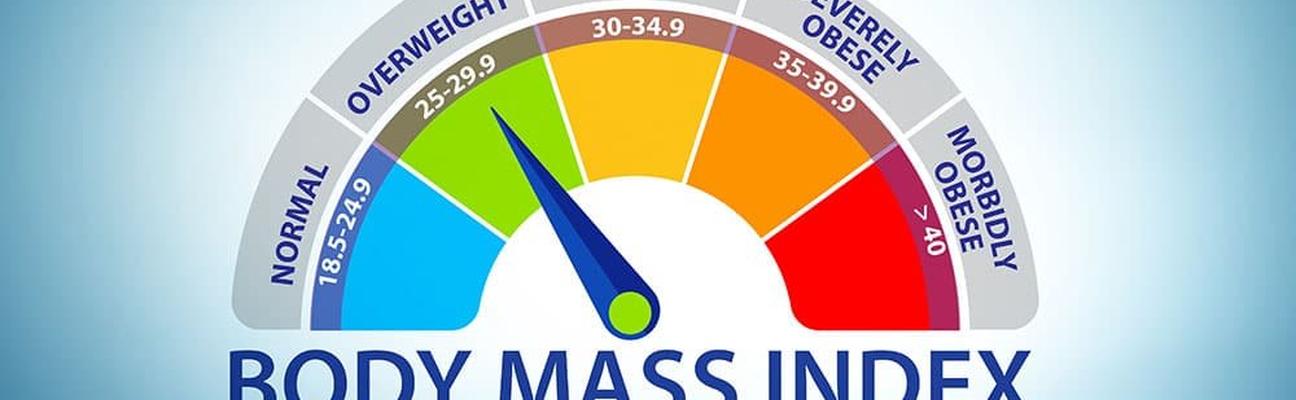
When we talk about body mass index for obesity, we're referring to specific BMI thresholds that indicate when someone's weight has reached a level associated with increased health risks. Understanding these categories helps you recognise when your weight might be affecting your health and when it's time to seek support.
A BMI of 30 or higher is classified as obese. This isn't just an arbitrary number – extensive research involving millions of participants has shown that obesity significantly increases the risk of developing serious health conditions. These include type 2 diabetes, cardiovascular disease, certain cancers, sleep apnoea, osteoarthritis, and mental health conditions such as depression and anxiety.
The body mass index for obesity is further divided into classes:
It's crucial to understand that obesity isn't simply the result of lifestyle choices. It can be caused by genetics, age, hormones, medical conditions, medications, and ethnicity. Many people struggle with their weight despite their best efforts to eat healthily and exercise regularly. Research has identified numerous genetic variants that influence how our bodies regulate appetite, store fat, and respond to different foods.
Hormonal imbalances can also contribute significantly to obesity. Conditions such as hypothyroidism, polycystic ovary syndrome (PCOS), Cushing's syndrome, and hormonal changes during menopause can all make weight management more challenging. This is why Bodyline Clinic's women's health services include comprehensive hormone testing and personalised treatment plans that address both weight management and hormonal balance.
Certain medications can contribute to weight gain too, including some antidepressants, antipsychotics, corticosteroids, and diabetes medications. If you're taking medication that affects your weight, it's important to discuss this with your healthcare provider. At Bodyline, our clinical team reviews all medications during consultations to ensure our weight loss treatments are safe and appropriate for your individual circumstances.
Calculating your BMI is straightforward, and there are two main ways to do it: manually using the formula, or by using an online calculator. Let's look at both methods.
If you prefer to calculate your BMI yourself, follow these steps:
Step 1: Convert your weight to kilograms
If you know your weight in stones and pounds, convert it to kilograms first. Multiply the number of stones by 6.35, then add any additional pounds multiplied by 0.454. For example, if you weigh 12 stone 7 pounds, that's (12 × 6.35) + (7 × 0.454) = 76.2 + 3.178 = 79.378 kilograms.
Step 2: Convert your height to metres
If you know your height in feet and inches, convert it to metres. First, convert everything to inches by multiplying feet by 12 and adding any extra inches. Then divide by 39.37 to get metres. For example, if you're 5 feet 7 inches tall, that's (5 × 12) + 7 = 67 inches, which equals 67 ÷ 39.37 = 1.7018 metres.
Step 3: Calculate your BMI
Once you have your weight in kilograms and height in metres, use the formula: BMI = weight (kg) / (height (m) × height (m)). For example, if your weight is 68 kilograms and your height is 1.6764 metres, your BMI would be 68 / (1.6764 × 1.6764) = 68 / 2.811 = 24.2.
The easier option is to use our BMI calculator, which does all the conversions and calculations for you instantly. Simply enter your height and weight in whichever units you're most comfortable with, and the calculator will provide your BMI along with information about which category you fall into.
Our suggested weight calculator also shows you the healthy weight range for your height, helping you understand what weight you should be aiming for. This takes the guesswork out of determining your ideal weight and provides clear targets based on established health guidelines.
Once you've calculated your BMI using our BMI calculator, you need to understand what your result means. Here's how the BMI categories break down:
Underweight: BMI below 18.5
This category indicates you may be underweight for your height, which can be associated with nutritional deficiencies, weakened immune system, and other health concerns. If you fall into this category, speak with a healthcare professional about whether you need to gain weight and how to do so healthily.
Normal weight: BMI between 18.5 and 24.9
This is considered the healthy weight range for most adults. People in this category generally have the lowest risk of weight-related health problems. If you're wondering what weight you should be, aiming for this range is typically recommended. Our suggested weight calculator can show you the specific weight range that corresponds to a healthy BMI for your height.
Overweight: BMI between 25 and 29.9
This category indicates you're carrying more weight than is considered optimal for your height. Being overweight increases your risk of developing health conditions such as high blood pressure, type 2 diabetes, and heart disease. Many people in this category can benefit from modest weight loss of 5-10% of body weight, which can significantly improve health markers.
Obese Class I: BMI 30-34.9
This level of body mass index for obesity is associated with increased health risks. Weight loss becomes more important for protecting your health at this level, and you may be eligible for medical weight loss treatments through clinics like Bodyline.
Obese Class II: BMI 35-39.9
Also known as severe obesity, this category indicates significantly elevated health risks. People in this range often experience weight-related health conditions and may benefit from more intensive medical weight loss interventions.
Obese Class III: BMI 40 or above
This represents the highest body mass index for obesity category and is associated with the greatest health risks. People in this category often have multiple weight-related health conditions and require comprehensive medical support to achieve and maintain weight loss.
It's worth noting that BMI calculations can be slightly different for certain populations. People of Asian descent may have increased health risks at lower BMI thresholds. The NHS and many healthcare providers now use adjusted BMI categories for people from Black, Asian, and other minority ethnic groups, with the overweight category starting at BMI 23 and obesity at BMI 27.5.
This adjustment reflects research showing that people from these backgrounds may carry more visceral fat at lower BMI levels and therefore face increased health risks at lower thresholds. If you're from one of these ethnic backgrounds, use our BMI calculator and discuss your results with a healthcare professional who can interpret them in the context of your ethnicity.
Additionally, BMI calculations aren't appropriate for everyone. Children and teenagers require age and sex-specific BMI calculations that compare their measurements to growth charts. Pregnant women should not use standard BMI categories as weight gain during pregnancy is normal and necessary. Athletes and bodybuilders with high muscle mass may have elevated BMIs despite having low body fat. Older adults may have lower BMIs due to muscle loss even if they have excess body fat.
Let's look at some specific examples to help you understand what weight you should be for your height.
If you're a 5'3 female wondering what you should weigh, the healthy BMI range translates to approximately 50kg to 67kg (about 7st 12lbs to 10st 7lbs). This range gives you flexibility whilst keeping you within the parameters associated with optimal health outcomes.
At the lower end of this range (around 50-55kg), you'd have a BMI in the lower normal range. This might be appropriate if you have a smaller frame or less muscle mass. At the upper end (around 62-67kg), you'd still be in the healthy range but might have more muscle mass or a larger frame.
The ideal body weight for a 5'3 female varies based on individual factors. Some women feel strongest and healthiest at 55kg, whilst others thrive at 63kg. Both are perfectly healthy weights for this height. Use our suggested weight calculator to see your personalised healthy weight range.
For a 5'2 female, the ideal weight in kg typically ranges from about 48kg to 64kg (roughly 7st 8lbs to 10st 1lb). This corresponds to the healthy BMI range of 18.5 to 24.9 for someone of this height.
If you're 5'2 and currently weigh 70kg, for example, you'd have a BMI of approximately 26.5, which falls into the overweight category. Losing around 6-10kg would bring you into the healthy range. Conversely, if you weigh 45kg at 5'2, you'd be slightly underweight with a BMI around 17.5, and gaining a few kilograms would be beneficial for your health.
The ideal weight for a 5'2 female in kg depends on your body composition and health status. Someone who exercises regularly and has good muscle mass might weigh more than someone who's less active, even if they look similar. What matters most is being within the healthy range and feeling well.
Whilst BMI is a useful screening tool and our BMI calculator provides valuable information about your weight status, it's important to consider other health indicators too.
Waist Circumference
Your waist measurement is particularly important because it indicates visceral fat – the dangerous fat that surrounds internal organs and is strongly linked to metabolic diseases. Women with a waist circumference over 80cm (31.5 inches) and men over 94cm (37 inches) have increased health risks, even if their BMI is in the normal range.
Body Composition
Understanding your body composition – the proportion of fat, muscle, bone, and water in your body – provides more detailed information than BMI alone. Two people can have the same BMI but very different body compositions. Someone with more muscle mass will be healthier than someone with less muscle, even at the same weight and height.
Metabolic Health Markers
Blood pressure, cholesterol levels, blood sugar levels, and other metabolic markers are crucial indicators of health. You can have a normal BMI but poor metabolic health, or be slightly overweight but have excellent metabolic health. At Bodyline Clinic, our comprehensive health check services assess these important markers alongside BMI.
How You Feel
Your energy levels, fitness, sleep quality, mood, and overall sense of wellbeing are important indicators of whether you're at a healthy weight. If you're within the healthy BMI range but constantly tired, struggling with daily activities, or feeling unwell, it's worth investigating further with a healthcare professional.
If you've used our BMI calculator and discovered you're outside the healthy range, you're probably wondering how to reach your ideal weight. The answer depends on whether you need to lose weight, gain weight, or simply maintain your current healthy weight.
If your BMI indicates you're overweight or obese, here are evidence-based strategies to help you lose weight safely and sustainably:
Adopt a balanced, nutritious diet
Focus on whole, unprocessed foods including fruits, vegetables, lean proteins, whole grains, and healthy fats. Limit sugary foods, saturated fats, and processed snacks. Create a sustainable eating pattern you can maintain long-term rather than following restrictive diets that are difficult to stick to.
At Bodyline, our nutritional guidance is practical and realistic. We help you make gradual changes that fit into your lifestyle. We understand that everyone's dietary preferences and circumstances are different, which is why we provide personalised advice rather than one-size-fits-all meal plans.
Engage in regular physical activity
Aim for at least 150 minutes of moderate-intensity aerobic exercise or 75 minutes of vigorous-intensity exercise each week. Find activities you enjoy, such as walking, swimming, cycling, or dancing, and make them a regular part of your routine.
Physical activity doesn't have to mean joining a gym or following intense workout programmes. For many people, simply increasing daily movement through walking more, taking the stairs, or gardening can make a significant difference. As your fitness improves and your weight decreases, you can gradually increase the intensity and duration of your activities.
Practice portion control
Be mindful of your portion sizes and avoid overeating. Pay attention to hunger and fullness cues and eat until you're satisfied rather than stuffed. Many people have lost touch with their body's natural signals, often eating according to external cues like meal times or social situations rather than genuine physical hunger.
Using smaller plates, measuring portions initially to understand appropriate serving sizes, and eating slowly without distractions can all help with portion control.
Get adequate sleep
Poor sleep is strongly linked to weight gain and difficulty losing weight. Lack of sleep disrupts hormones that regulate appetite, increases cravings for high-calorie foods, and reduces motivation for physical activity. Aim for 7-9 hours of quality sleep each night.
Manage stress effectively
Chronic stress can contribute to weight gain through multiple mechanisms, including increased cortisol levels, emotional eating, and reduced motivation for healthy behaviours. Finding effective stress management techniques such as mindfulness, meditation, yoga, or talking therapy can support your weight loss efforts.
For many people, particularly those with a body mass index for obesity of 30 or above, lifestyle changes alone may not be enough to achieve significant weight loss. This is where medical support becomes invaluable.
Katie Illingworth, Bodyline's resident nutritional therapist and nurse prescriber, explains: "The research suggests that when your BMI is over 40, you're so hormonally dysregulated, you will not lose weight by yourself. That's why medical and clinical support can be so important in treating weight health. Many people blame themselves for their weight struggles, but the reality is that obesity involves complex biological mechanisms that often require medical intervention to overcome."
The Medicines and Healthcare products Regulatory Agency (MHRA) recently approved both semaglutide (Wegovy) and tirzepatide (Mounjaro) for obesity treatment. Those eligible are people with a BMI of 30 or above, or 27 and over with weight-related health problems like heart disease or diabetes.
These medications work by targeting the biological mechanisms that regulate appetite, metabolism, and fat storage. In clinical trials, users lost on average more than 15% of their starting body weight. Some patients achieved weight loss of 20% or more, results that were previously only achievable through bariatric surgery.
At Bodyline, we offer several medical weight loss options:
However, these medications aren't magic solutions. They must be used alongside healthy lifestyle changes and within fully supported and supervised medical programmes to achieve the most sustainable results. Every patient receiving treatment at Bodyline is supported by our specialist weight health nurses who provide regular monitoring, nutritional guidance, and lifestyle coaching throughout their treatment journey.
Certain groups face unique challenges when it comes to achieving and maintaining a healthy weight. At Bodyline Clinic, we offer specialised support for patients with complex medical histories.
If you're over 70 and your BMI calculator results show you're overweight or obese, you might wonder whether weight loss is still beneficial or safe at your age. The answer is yes – losing weight can significantly improve your quality of life, reduce joint pain, improve mobility, and help manage conditions like diabetes and heart disease.
However, weight loss later in life requires careful medical supervision to preserve muscle mass and bone density whilst losing fat. Our specialised support for patients aged 70+ ensures safe, effective treatment tailored to the unique needs of older adults.
If you have cardiovascular conditions, gastrointestinal issues, or mental health conditions, weight management requires a more personalised approach. Our cardiovascular health support, gastrointestinal health support, and mental health support programmes provide safe, effective weight loss treatment for patients with complex medical histories.
Hormonal imbalances can significantly affect your weight, making it difficult to reach your ideal weight even with diet and exercise. Women going through menopause often struggle with weight gain due to declining oestrogen levels. Our HRT programmes can help address hormonal imbalances whilst supporting weight management goals.
Similarly, men with low testosterone often experience weight gain, particularly around the abdomen. Our testosterone replacement therapy can help restore hormonal balance and support healthy weight management.
Understanding what weight you should be is the first step towards taking control of your health. Whether you're wondering about the ideal body weight for a 5'3 female, the ideal weight for a 5'2 female in kg, or what your personal healthy weight range should be, our BMI calculator provides instant, personalised information based on your height.
If your results show you're outside the healthy range, don't be discouraged. With the right support, you can achieve your ideal weight and improve your health significantly. At Bodyline Clinic, we've helped over 100,000 patients across the UK reach their weight goals through our medically supervised programmes.
Our approach combines:
Whether you need to lose a small amount of weight to move from the overweight to normal BMI category, or you're dealing with a body mass index for obesity and need more intensive medical support, we have the expertise and treatment options to help you succeed.
Ready to find out what weight you should be? Use our suggested weight calculator to instantly calculate your BMI and see your personalised healthy weight range. The calculator is free, easy to use, and provides clear information about where you currently stand and what your target weight should be.
Once you've calculated your BMI, you can book a consultation with our specialist team to discuss your results and explore which weight loss treatment options are right for you. Our clinics across the Northwest of England in Birkenhead, Liverpool, Manchester, St Helens, Stockport, Stoke-on-Trent, and Warrington provide convenient access to expert weight management support. We also offer online consultations for patients throughout the UK who cannot easily access our physical clinic locations.
Don't let an unhealthy BMI continue to impact your health and wellbeing. Take the first step towards positive change today by using our BMI calculator, then book a consultation to discover how Bodyline Clinic's expert support and proven treatment programmes can help you achieve your ideal weight.
Contact us today or call 0800 995 6036 to start your journey to a healthier, happier you. Our friendly customer service team can answer your questions, provide information about our services, and help you book your initial consultation at a time and location that's convenient for you.
BMI calculator
Enter your height and weight to work out your Body Mass Index in seconds.
Your BMI
Find out where you sit and what your options are
Your BMI
Our CQC-regulated clinical team will confirm your eligibility at consultation, in clinic or by video.
CQC regulated 4.8 on Trustpilot
If you'd like advice on your health and wellbeing, our team can talk you through the services we offer.
Explore our servicesWe'd recommend speaking to your GP, who can check everything is OK and offer the right support.
BMI ranges work differently for under 18s. Please speak to your GP for advice.
Please check your height and weight.
Contact us today
Find out more about how we can treat and support you to improve your health and wellbeing.

No-obligation advice from our CQC-regulated team, in clinic or by video.