CQC-regulated clinics & online consultations


Posted on August 19, 2024 by Sally-Anne Turner
Recently, weight loss injections have been proven to be incredibly effective medical solutions for treating obesity for those who struggle to lose weight through traditional methods. The emergence of GLP-1 receptor agonists and dual-action medications has revolutionised the medical weight loss landscape, offering hope to millions of people who have spent years battling their weight without success. These injectable therapies have captured global attention, with healthcare professionals, researchers, and patients alike recognising their potential to transform lives and improve long-term health outcomes.
However, for many years, people around the U.S. and in the U.K. have been prescribed phentermine, an oral medical treatment used in medical weight loss treatments to produce incredible weight loss results. This established medication has a proven track record spanning over six decades, with countless individuals achieving significant weight reduction when combined with proper dietary guidance and clinical support. Phentermine remains one of the most prescribed weight loss medications worldwide, trusted by healthcare professionals for its safety profile when used appropriately and its ability to help patients break through weight loss plateaus that have frustrated them for years.
But how does Phentermine stand up against the other medical treatments used in clinically supported weight loss programmes? This is a question we hear frequently at Bodyline Clinic, as patients naturally want to understand which treatment option will work best for their individual circumstances, lifestyle, and health goals. The answer isn't always straightforward, as both Phentermine and weight loss injections have distinct advantages, mechanisms of action, and suitability profiles that make them ideal for different patient populations.
We're here to help you find out. With over 18 years of experience prescribing both oral medications and weight loss injections to more than 100,000 patients across the UK, our clinical team at Bodyline has developed extensive expertise in matching patients with the most effective treatment pathway for their unique situation. Understanding the differences between these medications, how they work in your body, and what results you can realistically expect is crucial for making an informed decision about your weight loss journey.
Phentermine is a stimulant medication that comes in the form of an oral tablet. It is prescribed by clinical weight loss experts to patients who don't see results with dieting and exercising alone, alongside a supported plan and weight loss treatment programme. This medication belongs to a class of drugs known as sympathomimetic amines, which work by affecting the central nervous system to produce appetite-suppressing effects that make adhering to a calorie-controlled diet significantly easier.
The medication suppresses hunger signals in the appetite centre of the brain, which helps to curb cravings and make users feel full for a longer period after eating. By targeting the hypothalamus, the region of the brain responsible for regulating hunger and satiety, Phentermine effectively reduces the biological drive to eat that so often undermines even the most determined weight loss efforts. Patients frequently report that for the first time in years, they can comfortably eat smaller portions without feeling deprived or constantly thinking about their next meal.
It is used as a short-term treatment for obesity, taken in three-month bursts in combination with a reduced-calorie diet and exercise. That's because it is there to boost habit building, so that users maintain the healthy lifestyle changes they begin while using the medication. The structured, time-limited approach to Phentermine therapy is intentional – it provides a window of opportunity during which patients can establish new eating patterns, develop healthier relationships with food, and build the confidence that comes from seeing real progress on the scales. These psychological benefits often prove just as valuable as the physical weight loss itself.
Phentermine is available to those eligible and only when prescribed by a specialist weight health nurse or doctor. Is not recommended for long-term use to prevent reliance on the medication. At Bodyline Clinic, our experienced prescribers conduct thorough medical assessments before recommending Phentermine, ensuring that each patient is medically suitable for treatment and that any potential contraindications are identified and addressed. This careful screening process is essential for patient safety and treatment success.
Eligibility depends on the person's BMI, medical history, blood pressure, and further health indicators. Generally, Phentermine is prescribed to adults with a BMI of 30 or above, or those with a BMI of 27 or above who also have weight-related health conditions such as type 2 diabetes, high blood pressure, or high cholesterol. Our clinical team also considers factors such as cardiovascular health, any history of substance abuse, current medications that might interact with Phentermine, and psychological readiness for weight loss treatment. This comprehensive evaluation ensures that Phentermine therapy is both safe and likely to be effective for each individual patient.
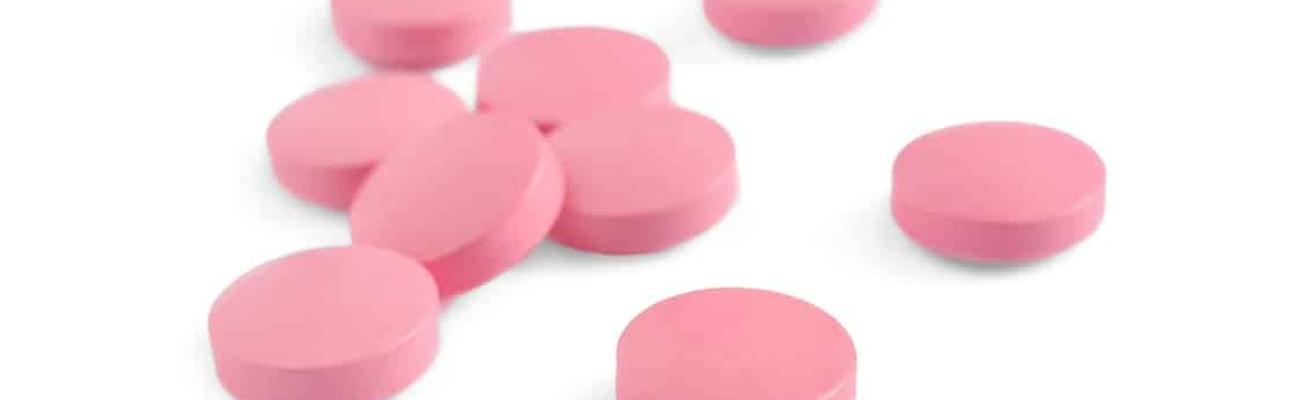
Phentermine, is also known colloquially as the 'pink pill' and was first introduced in the United States in 1959 as a treatment for obesity, so it has been around for quite some time. This long history means that, unlike many newer medications, phentermine has an extensive safety database spanning multiple decades and millions of patient-years of use. Healthcare professionals have a deep understanding of how the medication works, what side effects to expect, how to manage them effectively, and which patients are most likely to benefit from treatment. This wealth of clinical experience makes Phentermine a trusted choice for medical weight loss programmes worldwide.
Phentermine essentially stimulates the brain to release chemicals that control appetite, binding to the receptors that help regulate food intake to cause a reduction in hunger and therefore a reduction in calories. The medication's primary mechanism involves triggering the release of norepinephrine, a neurotransmitter that plays a key role in the body's fight-or-flight response. When norepinephrine levels increase in specific areas of the brain, hunger signals are suppressed, creating a feeling of satiety that makes it much easier to stick to a reduced-calorie eating plan.
Additionally, phentermine increases the release of adrenaline and noradrenaline, which can help boost metabolism and increase fat burning. These hormones stimulate the breakdown of stored fat cells and increase the body's overall energy expenditure, meaning you burn slightly more calories throughout the day even when at rest. While this metabolic boost is modest compared to the appetite suppression effects, it contributes to the overall effectiveness of the medication. Some patients also report feeling more energised while taking Phentermine, which can make it easier to incorporate physical activity into their daily routine – another factor that supports weight loss success.
Taking phentermine helps a user remain in a calorie deficit and on a healthy diet, therefore increasing the likelihood of weight loss success. The medication removes one of the biggest obstacles to successful dieting: constant, overwhelming hunger. When you're not battling intense cravings or feeling deprived after every meal, it becomes psychologically much easier to make healthy food choices and stick with your eating plan over the long term. This is why Phentermine is most effective when prescribed as part of a comprehensive programme that includes nutritional counselling, lifestyle coaching, and ongoing clinical support.
At Bodyline, we have seen people lose up to a stone within just one month of taking phentermine, helping them feel like a whole new person. These rapid initial results provide powerful motivation that helps patients stay committed to their weight loss programme. When you see significant changes on the scales within the first few weeks, it reinforces that your efforts are working and builds confidence that you can achieve your ultimate weight loss goals. Our clinical team provides regular monitoring and support throughout treatment, celebrating successes with patients and providing guidance when challenges arise.
The effectiveness of Phentermine is enhanced when patients also make meaningful changes to their eating habits and activity levels. At Bodyline, we provide comprehensive nutritional guidance tailored to each patient's lifestyle, preferences, and health needs. Our approach focuses on sustainable changes rather than restrictive dieting – we help patients learn portion control, make healthier food choices, increase their water intake, and develop strategies for managing emotional eating and social situations that have previously derailed their weight loss efforts. This educational component is crucial for long-term success, as it equips patients with the knowledge and skills they need to maintain their weight loss even after they stop taking the medication.
There are a couple of different classes of weight loss injections available for the treatment of obesity at the moment. These injectable medications represent some of the most significant advances in obesity medicine in recent decades, offering levels of weight loss that were previously only achievable through bariatric surgery. The development of these treatments has fundamentally changed how healthcare professionals approach obesity management, recognising it as a chronic medical condition that often requires pharmaceutical intervention rather than simply a lifestyle issue that can be resolved through willpower alone.
The most commonly known brand names of these injections are WeGovy, which contains semaglutide, and Mounjaro, which contains tirzepatide. Both of these injections have made waves in the medical weight loss industry because of their effectiveness in tackling obesity and bringing about incredible weight loss results. Media coverage of these medications has been extensive, with numerous high-profile individuals publicly discussing their use of these treatments. However, it's important to look beyond the headlines and understand the science behind how these medications work, who they're suitable for, and what realistic expectations should be for patients considering this treatment pathway.
To begin with, when semaglutide is injected into the body once a week it mimics the glucagon-like-peptide-1 hormone, known as GLP-1, which is naturally produced in the gut following mealtimes and tells our body we are full. This hormone is part of the incretin system, a complex network of hormones that regulate appetite, food intake, and glucose metabolism. In people with obesity, this system often doesn't function optimally – they may produce insufficient amounts of GLP-1, or their bodies may be resistant to its effects, requiring higher levels to achieve the same feeling of satiety that normal-weight individuals experience naturally.
The GLP-1 receptor agonist, semaglutide, is administered once a week by injection, and dosage is increased gradually. This titration schedule is carefully designed to minimise side effects, particularly the gastrointestinal symptoms such as nausea that can occur when starting these medications. By slowly increasing the dose over several weeks or months, patients' bodies have time to adjust to the medication, making the treatment experience more comfortable and improving adherence. At Bodyline Clinic, our nurses provide detailed guidance on injection technique, dose escalation schedules, and managing any side effects that may occur, ensuring patients feel supported throughout their treatment journey.
The addition of hormones like these in the obesity treatment world have changed the scope of weight health completely, as it has further proven that our weight can be determined by factors outside of our control – no matter how much we eat. This represents a paradigm shift in how we understand obesity. For decades, people struggling with their weight were told they simply needed more willpower or discipline. We now understand that obesity is a complex medical condition influenced by genetics, hormones, metabolism, gut microbiome composition, environmental factors, and numerous other variables that have nothing to do with moral character or personal strength. Weight loss injections address some of these underlying biological factors, levelling the playing field for people whose bodies make weight loss extraordinarily difficult through conventional means alone.
Dr Morgan Toerien, one of Bodyline's wellness practitioners said:
"GLP-1s like semaglutide work for obesity because an obese individual is either not making enough of these hormones to produce that full feeling naturally, or their body is resistant to the hormones so that they need a higher dose to get the same effect.
"If their body is not producing enough for them, using these therapies essentially introduces more into our bodies so that there's enough of it to do the job, make us feel fuller, and reduce our calorie intake.
"This means it doesn't matter whether you're not making enough or whether you're resistant to it; by adding more, it's restoring the natural physiological process that our bodies are meant to perform."
Semaglutide was approved by NICE to treat obesity in the UK for those with a BMI of above 35, or above 30 with weight health related problems, and it is titrated slowly over a period of time. The approval by NICE (the National Institute for Health and Care Excellence) represents a significant milestone, as this organisation sets the standards for which treatments are considered clinically effective and cost-effective for use in the NHS. While availability on the NHS remains limited due to budget constraints and capacity issues, the NICE approval validates the clinical evidence supporting semaglutide's use for weight management and provides a framework for safe prescribing in private clinics like Bodyline.
Both eligibility and titration are vital for patient safety, to ensure minimal side effects and potential adverse reactions. Semaglutide should only be prescribed by regulated and registered clinicians, doctors, and nurse prescribers in accordance with NICE guidelines. At Bodyline Clinic, we are proud to be CQC-regulated, which means our services are held to the same standards as NHS services and are regularly inspected to ensure we maintain the highest levels of patient care and safety. Our prescribers are experienced in managing weight loss injections and provide comprehensive support throughout treatment, including regular monitoring, dose adjustments, and advice on managing any side effects that may occur.
Tirzepatide, however, has quickly become the most sought-after weight health medication as it has been seen to produce 'unmatched' glycaemic control and weight management. This medication represents the next generation of weight loss injections, building on the success of GLP-1 agonists by adding a second mechanism of action that amplifies the weight loss effects. The clinical trial results for tirzepatide have been remarkable, with some participants achieving weight loss comparable to what is typically seen with bariatric surgery – but without the risks, recovery time, and irreversible anatomical changes that surgery entails.
This once-weekly injection has a dual-acting mechanism, mimicking two hormones to increase the likelihood of weight loss. Alongside GLP-1 receptor agonists, tirzepatide also mimics gastric inhibitory polypeptide (GIP), which is also known as glucose-dependent insulinotropic polypeptide. By targeting two hormones, the chances of success are doubled. The synergistic effect of activating both GLP-1 and GIP receptors creates more powerful appetite suppression and metabolic benefits than either hormone alone. GIP also appears to have additional effects on fat metabolism and energy expenditure that contribute to the superior weight loss results seen with tirzepatide compared to single-action GLP-1 medications.
But how effective are these weight loss injections when compared with Phentermine? This is the crucial question for patients trying to decide which treatment pathway is right for them. The answer depends on multiple factors including your weight loss goals, how much weight you need to lose, your medical history, your lifestyle and preferences, and whether you're looking for short-term support to kickstart weight loss or long-term treatment for chronic obesity management. Let's examine the evidence comparing these different approaches.
Phentermine has been proven to be a very effective medical treatment method to tackle obesity for many years. Its long track record of use means we have extensive data on its effectiveness across diverse patient populations, different treatment durations, and various clinical settings. Unlike newer medications where long-term data is still being collected, Phentermine's safety and efficacy profile is well-established, giving both prescribers and patients confidence in what to expect from treatment.
Studies show phentermine can help users lose between 5-7% of their initial body weight across a 6 month period. That means if someone is starting at 200lbs, they could lose 14lbs in 6 months. While this might seem modest compared to the results achieved with weight loss injections, it's important to remember that even a 5-10% reduction in body weight can produce significant health benefits. This level of weight loss has been shown to improve blood pressure, reduce the risk of developing type 2 diabetes, improve cholesterol levels, reduce joint pain, and enhance overall quality of life. For many patients, particularly those who need to lose a moderate amount of weight or who want to avoid injectable medications, Phentermine represents an excellent treatment option.
However, it's important to note that at Bodyline, we have also seen many of our patients lose up to a stone in their very first month on the medication. It depends on the effort and lifestyle changes put in place alongside taking the Phentermine. The medication is a tool, not a magic solution, and patients who achieve the best results are those who fully engage with the lifestyle modifications recommended by our clinical team. This includes following a structured eating plan, increasing water intake, incorporating regular physical activity, and developing strategies for managing stress and emotional eating. When Phentermine is used as part of a comprehensive programme with proper support, the results can be truly impressive.
But the pill's effectiveness has appeared to be surpassed with the emergence of the medical weight loss injection. The clinical trial data for GLP-1 medications shows consistently higher average weight loss compared to traditional oral appetite suppressants. However, this doesn't necessarily mean that injections are the right choice for every patient. The decision between oral medications and injections should be based on individual circumstances, preferences, and clinical needs rather than simply choosing whichever treatment shows the highest average weight loss in studies.
Firstly, when semaglutide was studied in combination with diet and exercise, users were seen to lose 15% of their initial body weight on average over a 68-week period – that's about 15 months total. To put that in perspective, a 200lb adult would have lost around 30lbs on average. This level of weight loss is considered clinically significant and is associated with substantial improvements in obesity-related health conditions. Many patients in the semaglutide trials experienced remission of type 2 diabetes, normalisation of blood pressure, improved sleep apnoea, and enhanced mobility and quality of life. The weight loss achieved with semaglutide approaches what is typically seen with bariatric surgery, making it a game-changing option for people with significant amounts of weight to lose.
Yet the GIP/GLP-1 combination of tirzepatide has gone further, showing results far surpassing its opponents. Across many clinical trials, participants were seen to lose an average 20% of their starting weight when paired with diet and exercise. If they began at 200lbs, that's a loss of 40lbs. These results represent a breakthrough in obesity medicine, offering hope to patients who have struggled for years or even decades with their weight. At Bodyline Clinic, we've witnessed the life-changing impact that tirzepatide can have for patients who are suitable candidates for this treatment, with many reporting not just weight loss but renewed energy, improved confidence, and freedom from the constant food thoughts and cravings that have dominated their lives for years.
Phentermine is an effective weight loss medication for short term use, best used to encourage positive habits for weight loss and weight health maintenance long term. The structured, time-limited approach to Phentermine therapy creates a focused period during which patients can make significant progress with their weight and establish new patterns of eating and activity that can be maintained after treatment ends. For patients who need to lose a moderate amount of weight, who prefer oral medication to injections, or who are looking for a more affordable treatment option, Phentermine remains an excellent choice. The key to success is using the medication as intended – as a tool to support lifestyle changes rather than a standalone solution.
However, weight loss injections like semaglutide and tirzepatide are effective for long term obesity treatment and management. Unlike Phentermine, which is typically prescribed for three-month periods with breaks between courses, weight loss injections are often continued for extended periods or even indefinitely for patients with chronic obesity. This reflects our evolving understanding of obesity as a chronic disease that often requires ongoing treatment, much like high blood pressure or diabetes. When patients stop taking weight loss injections, weight regain is common, which is why many people choose to continue treatment long-term to maintain their results. This is an important consideration when deciding between treatment options – are you looking for short-term support to jumpstart weight loss, or do you need long-term treatment to manage chronic obesity?
Depending on your desires and goals, all three medications are effective for weight loss when used alongside a holistic and fully supported treatment programme. We base our prescriptions, nutritional guidance, and weight loss advice on what works best alongside your lifestyle and medical history, which is why we pride ourselves on our bespoke personalised wellness services. At Bodyline, we don't believe in a one-size-fits-all approach to weight loss. Our experienced clinical team takes time to understand your individual circumstances, including your weight loss history, current health status, lifestyle factors, personal preferences, and long-term goals. This comprehensive assessment allows us to recommend the treatment pathway that's most likely to be successful for you specifically.
We don't use a one size fits all approach, we offer a solution that works for you. Whether that's Phentermine, WeGovy, Mounjaro, or another treatment option from our range, you can be confident that our recommendation is based on clinical expertise and your individual needs. We also recognise that your treatment needs may change over time – some patients start with Phentermine and later transition to weight loss injections if they need additional support, while others may use injections to achieve significant weight loss and then maintain their results with lifestyle changes alone or with periodic courses of oral medication.
Call us today on 0800 995 6036 or request a call back to find out what your effective weight loss solution could be. Our friendly customer service team can answer your initial questions, explain the consultation process, and help you book an appointment at one of our seven clinic locations across the Northwest of England or arrange a convenient online video consultation if you prefer. We also offer flexible appointment times to fit around work and family commitments, making it easier to access the professional weight loss support you need. Book a consultation at Bodyline Clinic to discuss which weight loss treatment option would be most suitable for your individual circumstances and start your journey towards sustainable weight loss today.
BMI calculator
Enter your height and weight to work out your Body Mass Index in seconds.
Your BMI
Find out where you sit and what your options are
Your BMI
Our CQC-regulated clinical team will confirm your eligibility at consultation, in clinic or by video.
CQC regulated 4.8 on Trustpilot
If you'd like advice on your health and wellbeing, our team can talk you through the services we offer.
Explore our servicesWe'd recommend speaking to your GP, who can check everything is OK and offer the right support.
BMI ranges work differently for under 18s. Please speak to your GP for advice.
Please check your height and weight.
Contact us today
Find out more about how we can treat and support you to improve your health and wellbeing.

No-obligation advice from our CQC-regulated team, in clinic or by video.





