
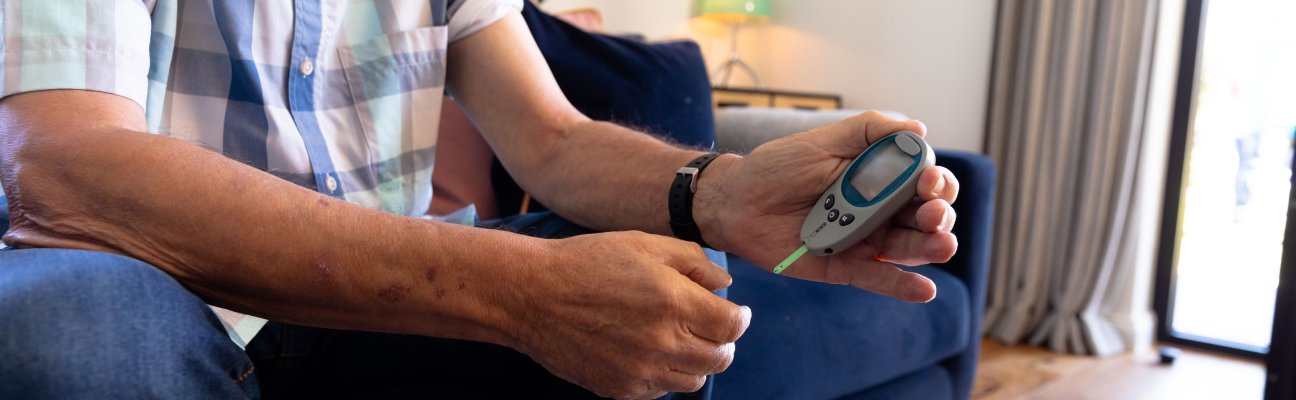


Over 75 with Diabetes?
Posted on September 10, 2026 by Sally-Anne Turner
What You Need to Know about Weight Loss Medications
You may be surprised to learn this, but weight loss medication has no upper age limit. It’s true!
There is a lot to be said for getting wiser in later years and potentially not seeing the issue with having some excess weight. But, of course, that weight can make potentially already existing health issues harder to manage or may even exacerbate them.
Now, if you are someone who is slightly older and wants to lose weight using GLP-1s, you will likely hit a wall in the pharmacy shopping process. Why? This treatment in an older person is more complex than taking a pill or an injection. There is a lot that needs to be checked, managed and calculated to not only make your weight loss journey successful, but also to keep it safe, with blood tests, the diabetic diet and clinical advice.
Specialised care or medical complexities alongside GLP-1s is what we specialise in. At the Bodyline Clinic, we have helped over 100,000 people across the UK to lose weight using medicated weight loss, and we have a dedicated clinical team to oversee complicated cases of weight loss, with precision and medical guidance.
So, let’s look at the complexities of losing weight later in life alongside diabetes.
Weight Loss in Later Life – Why is it So Complex?
Weight loss is just harder for some people. It may be due to metabolism or even genetics.
For one group of people, it is probably even harder but has the most benefits for longevity and independence: those over the age of 65. At Bodyline, we offer GLP-1s to people in this age group and even those over the age of 75. But why is it so hard to oversee for many clinicians?
Type 2 Diabetes
As we will talk about later in the article, type 2 diabetes in older people presents a significant challenge with GLP-1 medications. Why? This condition is linked to a higher risk of bone quality issues, muscle function decline, and fractures. So, if someone who is over 75 wants to lose weight (with or without GLP-1s), they will need clinical oversight. Indeed, their diet, protein intake, resistance exercise and functional status all become part of the treatment picture.
Muscle Loss
A core thing to consider with GLP-1 treatment is that weight loss can include both fat mass and lean mass.
Indeed, the SURMOUNT-1 body composition analysis from 2024 found that tirzepatide reduced fat mass by about 34%. However, with lean mass, the loss was around 11%. As older people have less muscle mass due to age-related conditions, this means that losses of muscle can be even greater, adding complexity to weight loss treatments.
This is one reason why medical support during a GLP-1 weight loss programme can be particularly important for older adults, where preserving strength and function is an important part of the wider treatment picture.
Diabetes and GLP-1s
We need to start this section by stating clearly that at the Bodyline Clinic, we do not offer GLP-1s for diabetes. We offer them solely for weight loss in those who are diagnosed with obesity or with being overweight. Type 2 diabetes treatment UK is usually tested for and managed by a GP, specialist nurse or endocrinologist.
However, in people over the age of 75, there is a higher likelihood of developing type 2 diabetes. What causes type 2 diabetes in adults in this age category? There is a change in insulin function in the body, which means the pancreas has to work harder. As someone gets older, the pancreas may create less insulin, which means that blood sugar spikes are more common. According to the NHS, 16% of people over the age of 75 have type 2 diabetes. Across the board, it seems that type 2 diabetes is higher in men than women; thus, there is a gender divide in diabetic medication and associated side effects.
Either way, if you have type 2 diabetes and want to take GLP-1s over the age of 75, our team at the Bodyline Clinic will need to contact your GP and any consultants you are under the care of to get an insight into the medications you are taking. This will help us to better track and manage blood sugars and weight loss treatments, as well as keep your medications balanced.
You can also learn more about how GLP-1 clinical assessments work at Bodyline and what our clinicians consider before treatment begins.
Preserving Muscle and Frailty
Now, this is something that we need to consider when assessing someone over the age of 75 for GLP-1s.
According to Age UK, frailty is generally characterised by issues like reduced muscle strength and fatigue. Around 10% of people aged over 65 live with frailty. This figure rises to between 25% and 50% for those aged over 85. Body systems may lose their reserves, and minor issues, like infections or small injuries, can lead to disproportionate declines in health.
If someone is frail, this can make weight loss riskier. And, unfortunately, if you are someone who has type 2 diabetes, the chances of becoming frail are higher. Research published in the Journal of Nutrition, Health & Ageing in 2023 suggests that having type 2 diabetes and being frail are linked to decreased strength, lower levels of independence and poorer overall health.
However, there is a frailty scale in the UK called the Clinical Frailty Scale (CFS). And the good news is that if you are older and worried about losing more muscle mass through GLP-1s, our team will be able to offer you exercise regimens to help you maintain muscle.
For this, we will usually recommend strength and resistance training, targeted to your capacity, to maintain and build muscle. We have to note here that, as there is research which highlights that GLP-1s may lead to accelerated muscle loss in those who are frail, if we spot this, we will cease treatment immediately and recommend a more suitable weight loss option for you.
Osteoporosis and GLP-1s
There is, unfortunately, a significant link between having osteoporosis and type 2 diabetes, according to research from the charity Diabetes UK in the UK.
This is particularly worrying, as drops in blood sugar can cause someone to collapse and paired with osteoporosis, the chance of breaks is higher. If you have type 2 diabetes, the excess glucose can impact the collagen in the bones, which reduces their ability to absorb force.
Not only that, but evidence in the Current Osteoporosis Report from 2022 suggests that if you have type 2 diabetes, it may take longer for any breaks in the body to recover, as high blood sugar can impact bone cell activity, meaning it takes longer for fractures to heal.
Even though there is very little research conducted in this area related to those over the age of 75, studies have highlighted that in older adults with type 2 diabetes, if you take GLP-1s, the risk of osteoporosis drops. Indeed, a large retrospective cohort study from China (2025) noted that there was a 31% lower hazard of developing osteoporosis among people with type 2 diabetes who were using GLP-1 receptor agonists, compared with those who weren’t.
So, secondary complications that are also associated with age may be reduced by engaging in GLP-1 treatment too. As always, our clinical team will need to assess you and talk to your GP if you have already got a diagnosis of osteoporosis.
Nutrition
The good news is that for people who have type 2 diabetes and want to undertake GLP-1 treatments, your diet won’t need to change much. Provided you have been following that diet, that is!
The aim of a prediabetic diet, a diabetic-friendly diet and a GLP-1 diet is to lower blood sugar, reduce unhealthy fats and increase protein, which will help with muscle mass maintenance. It will also help to prevent fatty liver disease. Here’s a general breakdown of what you can expect our team to recommend.
- Protein – Aim to consume 20–30g of protein per meal. This looks like a piece of chicken breast. This will also keep your heart healthy.
- Carbohydrates – Choose low-GI complex carbohydrates and limit sugars and processed foods.
- Fibre – Aim to eat fibre-rich foods, like vegetables, fruit and whole grains. This will help to minimise the side effects of the GLP-1s and will also help you to feel full for longer.
- Healthy Fats – Now, we all know about healthy fats. You can get these from nuts, avocados and fatty fish.
Another core thing that differentiates the Bodyline Clinic from other providers of GLP-1s is that we will tailor your diet to match any secondary issues you may have, as well as tick the boxes for GLP-1 treatments. So, you won’t be left guessing which foods are right for you throughout your weight loss journey.
You can also find out more about our medically supervised weight loss programmes and the support that comes alongside treatment.
Specialised Care
As mentioned earlier, our team at the Bodyline Clinic can assess your suitability for GLP-1s, even if you have pre-existing diabetes.
Our clinical team can take it one step further, though. Unlike other GLP-1 prescribers and online pharmacies, we are able to offer more clinical care for conditions that often lead to exclusions from GLP-1 treatments.
These include:
Why? We can offer the highest level of clinical oversight that you won’t get anywhere else, allowing us to help a broader group of people. So, if you have been told you aren’t suitable for GLP-1s and have been unable to shift that stubborn weight, please don’t give up. Our team may be able to help you.
At the Bodyline Clinic, we have over 18 years of experience in the field of medicated weight loss treatments, and we have helped over 100,000 people across the UK to reach their weight loss goals. If you need specialised care, or simply want to talk through the GLP-1s and clinical care we can offer, please contact our medical weight loss team today.
FAQs
Why is weight loss more complicated for older people?
In simple terms, weight loss is harder as it will likely occur alongside secondary conditions, such as diabetes, heart disease and frailty. This means that if you want to lose weight as an older person using GLP-1s, you will need clinical monitoring.
Can Older People Lose Weight with GLP-1s?
Yes, they can. Research has shown that it is not only possible, but can be achieved safely. Again, they will simply need more clinical intervention to do so successfully and safely.
What Makes the Bodyline Clinic Different to Other GLP-1 Providers?
We do not just prescribe GLP-1s and send you on your way. We offer personalised care plans to help you lose weight with GLP-1s, tailored to any pre-existing health issues, medicines and treatment plans. We have a clinical team that can offer specialised care to those over the age of 75, with cardiovascular disease, gastrointestinal issues and mental health conditions.