CQC-regulated clinics & online consultations


Posted on November 20, 2023 by Sally-Anne Turner
The theme of this year's World Menopause Day on 18th October is cardiovascular disease (CVD), the aim being to highlight that menopause can increase a woman's potential risk of CVD, including heart attacks, heart failure, stroke and coronary artery disease. This focus on cardiovascular health during menopause is particularly timely, as awareness of the connection between hormonal changes and heart disease remains relatively low among women, despite the significant impact it can have on long-term health outcomes.
The menopause is a natural transition period that over half the UK population will go through, with approximately 13 million women in the UK currently at the perimenopause or menopause stage of life. CVD is responsible for 35% of women's deaths each year, with a staggering 13 times as many women dying of CVD as of breast cancer. These statistics are particularly striking when you consider that many women perceive breast cancer as their primary health concern, whilst the far more prevalent risk of cardiovascular disease often goes unrecognised and unaddressed. The complex hormonal changes that occur during the menopause process - levels of oestrogen, progesterone and testosterone all drop dramatically - can result in increased cardiovascular risks in the form of high blood pressure and increased cholesterol.
Understanding the relationship between menopause and cardiovascular health is essential for every woman approaching or experiencing this life stage. The transition through perimenopause and menopause typically occurs between the ages of 45 and 55, although some women experience symptoms earlier or later. During this time, the ovaries gradually produce less oestrogen and progesterone, leading to the cessation of menstrual periods and a cascade of physiological changes throughout the body. Whilst many women are familiar with common menopause symptoms such as hot flushes, night sweats, and mood changes, fewer understand the profound impact that declining hormone levels can have on cardiovascular health.
Oestrogen in particular has a protective effect on the heart, reducing the risk of fat building up in the arteries, keeping blood vessels healthy and helping to control cholesterol levels. When oestrogen levels decrease exponentially during menopause, fat can build up resulting in arteries becoming narrower and heightening the risk of heart disease, heart attack and stroke. This protective effect of oestrogen operates through multiple mechanisms within the cardiovascular system. Oestrogen helps maintain the flexibility and elasticity of blood vessel walls, promotes healthy endothelial function (the inner lining of blood vessels), reduces inflammation in the arterial walls, and influences how the body processes and distributes cholesterol. When these protective mechanisms are diminished due to falling oestrogen levels, women become increasingly vulnerable to cardiovascular disease.
The impact of oestrogen loss extends beyond the cardiovascular system itself. Research has shown that declining oestrogen levels can affect metabolism, body composition, insulin sensitivity, and inflammatory markers throughout the body - all of which have implications for heart health. Women may notice changes in their blood pressure readings, experience alterations in their cholesterol profiles with increases in LDL (bad cholesterol) and decreases in HDL (good cholesterol), and develop insulin resistance that can lead to type 2 diabetes, itself a significant risk factor for cardiovascular disease.
One of the most important things that you can do to mitigate the risk of coronary heart disease is to make healthier lifestyle choices like upping your exercise, cutting down on alcohol, cutting out tobacco, maintaining a healthy weight and eating a balanced diet. Even small steps can all add up and make a big difference towards alleviating menopause symptoms and maintaining a healthy heart. The good news is that whilst menopause does increase cardiovascular risk, this risk is not inevitable or unchangeable. Women who take proactive steps to support their heart health during and after menopause can significantly reduce their risk of developing cardiovascular disease.
At Bodyline Clinic, we specialise in supporting women through the menopause transition with personalised hormone replacement therapy and comprehensive wellness programmes. Our experienced clinical team understands that menopause affects every woman differently, and we take a holistic approach to managing symptoms whilst supporting long-term health outcomes, including cardiovascular wellness. With over 18 years of experience and more than 100,000 patients supported across the UK, we combine medical expertise with compassionate care to help women navigate this important life stage with confidence.
It's a fact of life that your 50-year-old self is not going to look the same as your 20-year-old self! Many women cite weight gain as something they experience throughout the menopause process, although there are other factors contributing to this. As we age, we generally tend to become less physically active, and the metabolism naturally slows down, leading to a reduction in muscle mass and an increase in body fat. This natural ageing process, known as 'sarcopenia' when referring to muscle loss, typically begins in our thirties and accelerates as we move through our forties, fifties, and beyond. The loss of muscle tissue is particularly significant because muscle is metabolically active tissue that burns calories even at rest. As muscle mass decreases, so does our resting metabolic rate, meaning we burn fewer calories throughout the day even if our activity levels and eating habits remain unchanged.
Menopausal weight gain is linked to the natural decline in oestrogen levels, one of the main female sex hormones. Oestrogen enhances the body's fat-storing ability, especially around the hips and thighs, hence why many women tend to have more of an hourglass figure in their younger years as opposed to in middle age. Declining levels of oestrogen trigger the body to start shifting fat from around the hips and thighs, where it is stored as subcutaneous fat just under the skin, to around the belly, where it is stored as deep visceral fat around the organs. This shift in fat distribution is not merely cosmetic – it has significant health implications. Visceral fat, the type that accumulates around the abdominal organs, is metabolically active and produces inflammatory substances that can increase the risk of cardiovascular disease, type 2 diabetes, and other chronic health conditions.
The redistribution of body fat during menopause is one of the most frustrating changes many women experience. Even women who have maintained a healthy weight throughout their lives may notice their waistline expanding during perimenopause and menopause, despite no changes to their diet or exercise routine. This can be particularly distressing and may lead to feelings of loss of control over one's body. Understanding that this change is driven by hormonal factors rather than a lack of willpower or discipline can help women approach weight management during menopause with more self-compassion and realistic expectations.
Menopause symptoms can lead to making poor food choices and emotional binge eating. This in turn can make it difficult to find the enthusiasm to exercise, another contributing factor to weight gain. Furthermore, the body releases the steroid hormone cortisol to deal with stressful situations, so if a woman experiences menopause-related stress and anxiety, cortisol can cause extra calories to remain around the belly. The relationship between stress, cortisol, and abdominal weight gain creates a challenging cycle for many menopausal women. When cortisol levels remain elevated due to chronic stress, the body is essentially in a state of prolonged fight-or-flight response, which promotes fat storage, particularly in the abdominal region. This physiological response made evolutionary sense when our ancestors faced genuine threats to survival, but in modern life, chronic psychological stress can keep cortisol levels elevated without the physical activity that would normally accompany a stress response.
Many menopausal women also experience mood changes, anxiety, and depression related to hormonal fluctuations, which can lead to emotional eating as a coping mechanism. Comfort eating or using food as a source of emotional regulation becomes more common during this life stage, and the types of foods women tend to reach for during emotional eating episodes - typically high in sugar, fat, and refined carbohydrates - are precisely the foods that contribute most to weight gain and cardiovascular risk. Breaking this cycle requires addressing both the emotional aspects of eating and the physiological factors driving appetite and cravings.
Insufficient or irregular sleep can also be a contributory factor, as sleep and blood sugar levels are interlinked. Blood sugar levels increase while we are asleep as part of our circadian rhythm – poor quality sleep causes spikes and dips in these levels, which increases the likelihood of us eating more throughout the day and in turn, more weight gain. Sleep disturbances are one of the most common and disruptive symptoms of menopause, with many women experiencing night sweats that wake them multiple times throughout the night, difficulty falling asleep, or early morning waking. The impact of poor sleep extends far beyond feeling tired the next day. Inadequate sleep disrupts the hormones that regulate hunger and fullness - specifically ghrelin (which stimulates appetite) and leptin (which signals satiety). When you're sleep-deprived, ghrelin levels increase whilst leptin levels decrease, creating a perfect storm of increased hunger and reduced feelings of fullness.
Research has consistently shown that people who are sleep-deprived tend to consume more calories, particularly from high-carbohydrate and high-fat foods, and have more difficulty making healthy food choices. The prefrontal cortex, the part of the brain responsible for decision-making and impulse control, functions less effectively when we're tired, making it harder to resist tempting but unhealthy food options. Additionally, when we're exhausted, we're less likely to have the energy for exercise or meal preparation, leading to increased reliance on convenience foods that tend to be less nutritious and more calorie-dense.
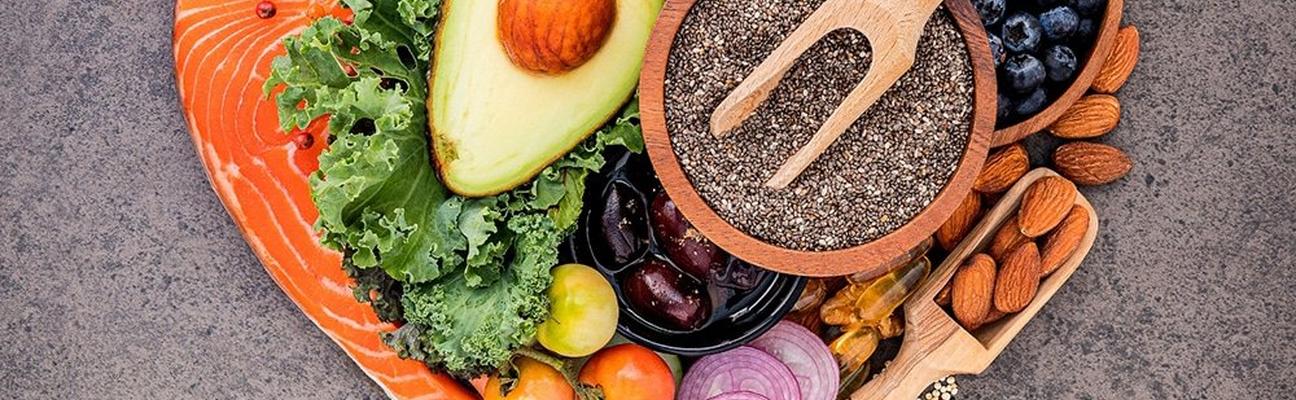
A healthy, balanced diet is key to maintaining a healthy heart and circulation system and it's important to find something that works for you and that you can stick to. As a general rule your diet should include a wide variety of unprocessed and fresh foods, at least five portions of fruit and vegetables, lean protein in the form of chicken, turkey, fish, beans and legumes, whole grains, nuts, complex carbohydrates, nutrient dense foods and healthy fats that contain Omega 3 such as olive oil and avocado. The foundation of heart-healthy eating during menopause is built on whole, minimally processed foods that provide the nutrients your body needs whilst supporting cardiovascular health and helping to manage weight.
When we talk about eating for heart health during menopause, we're not referring to restrictive dieting or eliminating entire food groups. Instead, the focus should be on nourishing your body with foods that support optimal function whilst reducing intake of foods that contribute to inflammation, weight gain, and cardiovascular risk. This approach is sustainable for the long term because it's based on addition rather than deprivation - adding more nutritious foods to your diet naturally crowds out less healthy options without requiring constant willpower or restriction.
Fruits and vegetables should form the foundation of a heart-healthy diet during menopause. The recommendation of at least five portions per day is actually a minimum - many nutritionists suggest aiming for seven to ten portions for optimal health benefits. Fruits and vegetables are rich in fibre, vitamins, minerals, and phytonutrients that support cardiovascular health, help manage weight, and may even help alleviate some menopause symptoms. Different coloured fruits and vegetables contain different beneficial compounds, so eating a rainbow of colours ensures you're getting a wide range of protective nutrients. Leafy greens like spinach, kale, and rocket are particularly beneficial, as are cruciferous vegetables such as broccoli, cauliflower, and Brussels sprouts.
Calcium-rich foods are ultra-important for maintaining bone health. Oestrogen plays a role in supporting bone density, so as levels decline during the menopause, women can be more prone to osteoporosis and fractures. Dairy products are also excellent sources of vitamin D and magnesium, both of which promote bone strength. Women over 50 need approximately 1,200 milligrams of calcium daily, which can be obtained through a combination of dairy products, fortified plant-based alternatives, leafy green vegetables, tinned fish with edible bones (such as sardines and salmon), and calcium-fortified foods. Whilst supplements can help fill gaps, obtaining calcium from food sources is generally preferable as foods provide additional nutrients that work synergistically with calcium for optimal absorption and utilisation.
For women who are lactose intolerant or prefer to avoid dairy, there are numerous non-dairy sources of calcium including fortified plant milks, tofu made with calcium sulphate, almonds, sesame seeds, and tahini. It's worth noting that vitamin D is essential for calcium absorption, and many people in the UK have insufficient vitamin D levels, particularly during the winter months. The NHS recommends that everyone in the UK consider taking a vitamin D supplement during autumn and winter, and some people may benefit from year-round supplementation.
Soy products, including soybeans, tofu, tempeh and edamame, contain a high concentration of phytoestrogen, a plant oestrogen that is similar in function to human oestrogen albeit much weaker, and can help alleviate hot flashes and night sweats. Phytoestrogens, particularly isoflavones found in soy foods, have been the subject of considerable research regarding their potential benefits for menopausal women. These plant compounds can bind to oestrogen receptors in the body and exert mild oestrogenic effects, which may help moderate some of the symptoms associated with declining oestrogen levels. Studies have shown that women who consume soy foods regularly, particularly those from Asian countries where soy is a dietary staple, tend to report fewer and less severe hot flushes compared to women who consume little or no soy.
It's important to note that the benefits of soy appear to be greatest when consumed as whole foods rather than as isolated supplements. Tofu, tempeh, edamame, and soy milk are all nutritious additions to a menopausal diet, providing not only phytoestrogens but also high-quality protein, fibre, and various vitamins and minerals. Some women worry about soy consumption due to concerns about breast cancer risk, but current research suggests that moderate consumption of whole soy foods is safe and may even have protective effects. As with any dietary change, it's sensible to introduce soy foods gradually and discuss any concerns with your healthcare provider, particularly if you have a history of hormone-sensitive cancers.
As oestrogen decreases so does muscle mass, resulting in the body having less capacity to store glucose and therefore more likely to store carbs and sugar as fat. Protein supports muscle health, metabolism, and hormone production, so upping your lean protein intake ticks a lot of boxes when it comes to menopause symptoms. UK guidelines recommend at least 1 gram of protein per kilogram of body weight every day, ideally split over meals and including sources such as a breast of chicken, 3 eggs, 3 tablespoons of hummus, a small tin of baked beans or a fillet of oily fish like salmon, tuna or mackerel. Many women, particularly those who have focused on calorie restriction in the past, may not be consuming adequate protein to support muscle maintenance during menopause.
Increasing protein intake during menopause serves multiple purposes. Firstly, protein is highly satiating, meaning it helps you feel fuller for longer and can reduce overall calorie intake by curbing hunger and cravings. Secondly, adequate protein intake is essential for maintaining muscle mass, which becomes increasingly important as we age and face the natural tendency toward muscle loss. Maintaining muscle mass supports a healthy metabolism, helps with weight management, improves physical function and independence, and reduces the risk of falls and fractures. Thirdly, protein requires more energy to digest than carbohydrates or fats, a phenomenon known as the thermic effect of food, which means you burn more calories processing protein-rich meals.
Distributing protein intake evenly throughout the day appears to be more effective for muscle maintenance than consuming most of your protein in one meal. Aim to include a good source of protein with each meal and consider having protein-rich snacks if you have long gaps between meals. Good protein choices for menopausal women include lean poultry, fish (particularly oily fish rich in omega-3 fatty acids), eggs, Greek yoghurt, cottage cheese, legumes such as lentils and chickpeas, quinoa, nuts, and seeds. For women following plant-based diets, combining different plant protein sources throughout the day ensures you're getting all the essential amino acids your body needs.
Try to cut down on salt, excess sugar, fatty foods, refined carbohydrates, processed meat, fizzy drinks and fruit juice. Caffeine and alcohol, which often contains additional sugar and empty calories, can exacerbate symptoms like hot flushes as well as having a detrimental effect on sleep quality, so it's a good idea to limit these as well. Make sure you drink lots and lots of water throughout the day to stay hydrated. Reducing intake of these less healthy foods and beverages is just as important as increasing consumption of nutritious options. Excess sodium intake contributes to high blood pressure, a significant risk factor for cardiovascular disease that becomes more prevalent after menopause. Most of the sodium in the typical UK diet comes from processed and restaurant foods rather than the salt shaker, so reading food labels and choosing lower-sodium options can make a significant difference.
Added sugars and refined carbohydrates cause rapid spikes in blood glucose followed by crashes that can trigger cravings, mood swings, and energy fluctuations - all of which can be particularly problematic during menopause when these symptoms may already be present due to hormonal changes. Foods high in refined carbohydrates and added sugars also tend to be calorie-dense but nutrient-poor, contributing to weight gain without providing the vitamins, minerals, and other beneficial compounds found in whole foods. The inflammatory effects of a diet high in sugar and refined carbohydrates can also exacerbate cardiovascular risk and other chronic health conditions.
Regarding alcohol, whilst moderate consumption may have some cardiovascular benefits in certain populations, the evidence is mixed, and any potential benefits must be weighed against the risks. For menopausal women, alcohol can trigger hot flushes, disrupt sleep, contribute to weight gain (particularly around the middle), increase breast cancer risk, and interfere with bone health. If you choose to drink alcohol, moderation is key - the UK Chief Medical Officers recommend not regularly drinking more than 14 units per week, spread over three or more days, with several alcohol-free days each week.
Hydration is often overlooked but is crucial for overall health and can help manage some menopause symptoms. Many women don't drink enough water throughout the day, and mild dehydration can cause fatigue, headaches, difficulty concentrating, and constipation. Adequate hydration supports cardiovascular function, helps regulate body temperature (which can be particularly relevant for women experiencing hot flushes), aids digestion, and can help with weight management by promoting feelings of fullness. Aim for at least 6-8 glasses of water daily, more if you're physically active or experiencing heavy sweating due to hot flushes.
If you're struggling with weight management during menopause despite making dietary changes, Bodyline Clinic offers medically supervised weight loss programmes that can provide additional support. Our programmes combine clinical expertise with personalised treatment plans to help you achieve and maintain a healthy weight during menopause and beyond.
Intermittent fasting – essentially not eating for a specific period of time - can be a useful tool, helping to reduce overall calorie intake and therefore managing menopausal weight gain and potentially lowering the risk of chronic heart disease. The theory behind it is that if you don't eat for 10-16 hours, the body performs natural cleansing processes, begins to repair itself, releases ketones into the bloodstream and looks to stored fat for energy. Intermittent fasting has gained considerable attention in recent years as research has revealed potential benefits beyond simple calorie restriction. When you fast for an extended period, your body shifts from using glucose as its primary fuel source to burning stored fat, a metabolic state called ketosis. This metabolic switch may have various health benefits including improved insulin sensitivity, reduced inflammation, enhanced cellular repair processes, and potential improvements in cardiovascular risk markers.
There are several options here, including overnight fasting, time-restricted eating, the 5:2 method and alternate day fasting - and it's all about finding the best one for you. Overnight fasting, which quite simply involves not eating for 12 hours, is probably the easiest to follow - by not eating between 8pm and 8am, for instance, you will have fasted for 12 hours, probably with fairly minimal effort as it's likely you'll have been in bed for a good portion of that time. This approach is often recommended as a starting point for people new to intermittent fasting because it's relatively easy to implement and doesn't require significant changes to your daily routine. Many people find that simply establishing a cut-off time for eating in the evening (and sticking to it) naturally reduces their calorie intake by eliminating late-night snacking, which is often driven more by habit or boredom than genuine hunger.
The other popular fasting method that's pretty easy to follow is time-restricted eating, where you confine your calorie consumption to a set time window. 16:8 fasting, for example, involves eating between 9-5pm or 12-8pm and fasting for the remaining 16 hours. Make sure you drink plenty of water, outside of your designated eating window to stay hydrated. You can also have non-calorific drinks like herbal infusions, tea and coffee. Time-restricted eating has been studied extensively and appears to offer benefits for weight management, metabolic health, and potentially cardiovascular risk factors. Some research suggests that aligning your eating window with your body's natural circadian rhythms (eating earlier in the day rather than late into the evening) may provide additional benefits, as your body is better equipped to process food earlier in the day when insulin sensitivity is naturally higher.
The 5:2 method involves eating normally for five days of the week and restricting calories to about 500-600 on two non-consecutive days. Alternate day fasting involves alternating between days of normal eating and days of very restricted calorie intake or complete fasting. These approaches can be effective but are generally more challenging to maintain long-term and may not be suitable for everyone, particularly women going through menopause who may already be dealing with energy fluctuations and mood changes.
It's important to note that intermittent fasting isn't appropriate for everyone. Women with a history of eating disorders, those who are pregnant or breastfeeding, people taking certain medications, and those with specific health conditions should consult with a healthcare provider before attempting any form of intermittent fasting. Some women find that intermittent fasting exacerbates menopause symptoms such as irritability, difficulty concentrating, or sleep problems, whilst others report improvements in energy levels and mental clarity. As with any dietary approach, it's essential to pay attention to how your body responds and adjust accordingly. If intermittent fasting leaves you feeling exhausted, irritable, or obsessively focused on food, it may not be the right approach for you.
Taken in combination with a healthy, balanced diet, menopause supplements can provide much-needed additional nutritional support during this life stage. Whilst a well-balanced diet should provide most of the nutrients you need, certain vitamins and minerals can be difficult to obtain in adequate amounts from food alone, particularly during menopause when nutritional needs may be increased. Supplements should be viewed as complementary to, not a replacement for, a healthy diet. It's always advisable to discuss supplement use with your healthcare provider, as they can assess your individual needs and ensure that supplements won't interact with any medications you're taking.
With so much advice about menopause, food and supplements, it can feel difficult to know where to start. Choose one or two manageable changes from this guide and build a routine that fits your preferences, budget and everyday life.
You also deserve support with symptoms that make those changes harder. If disrupted sleep, low mood or other menopause symptoms are affecting your wellbeing, bring these concerns into the conversation with your healthcare professional.
At Bodyline Clinic, our team can discuss your symptoms, review your medical history and help you explore the care options available. If weight management is also a concern, we can assess whether a medically supervised programme could be appropriate for you.
To find out more about our menopause and weight management services, contact Bodyline Clinic and speak to our team about your next steps.
BMI calculator
Enter your height and weight to work out your Body Mass Index in seconds.
Your BMI
Find out where you sit and what your options are
Your BMI
Our CQC-regulated clinical team will confirm your eligibility at consultation, in clinic or by video.
CQC regulated 4.8 on Trustpilot
If you'd like advice on your health and wellbeing, our team can talk you through the services we offer.
Explore our servicesWe'd recommend speaking to your GP, who can check everything is OK and offer the right support.
BMI ranges work differently for under 18s. Please speak to your GP for advice.
Please check your height and weight.
Contact us today
Find out more about how we can treat and support you to improve your health and wellbeing.

No-obligation advice from our CQC-regulated team, in clinic or by video.





