CQC-regulated clinics & online consultations


Posted on September 25, 2023 by Sally-Anne Turner
Many people turn to weight loss injections when all else has failed. Diet and exercise alone are sometimes not enough to shift the excess weight in people suffering with obesity and obesity-related health issues. With so much noise in the news at the moment about 'game-changing' weight loss medications, you may be interested in seeing what is out there and available to help with your weight loss goals.
If you're considering weight loss injections, it's important to understand what they are, how they work, who can take them, and their potential benefits and disadvantages. The decision to start weight loss injections shouldn't be taken lightly and requires careful consideration of your individual circumstances, medical history, and weight loss goals. Here at Bodyline, we'd like to discuss some of the most commonly used weight loss injections and what you need to know before starting medical weight loss treatments.
For nearly two decades, Bodyline has been at the forefront of medical weight loss treatment in the UK. Our CQC-regulated clinics across the Northwest of England, including locations in Birkenhead, Liverpool, Manchester, Warrington, St Helens, Stockport, and Stoke-on-Trent, have supported over 100,000 patients in achieving their weight loss goals through personalised, medically supervised programmes.
Weight loss injections represent just one component of a comprehensive approach to managing obesity and improving overall health. They are not a magic solution but rather a powerful tool that, when combined with lifestyle modifications and ongoing clinical support, can help individuals achieve significant and sustainable weight loss results. Understanding how these medications work, who they're suitable for, and what to expect during treatment is essential for making an informed decision about whether they're right for you.
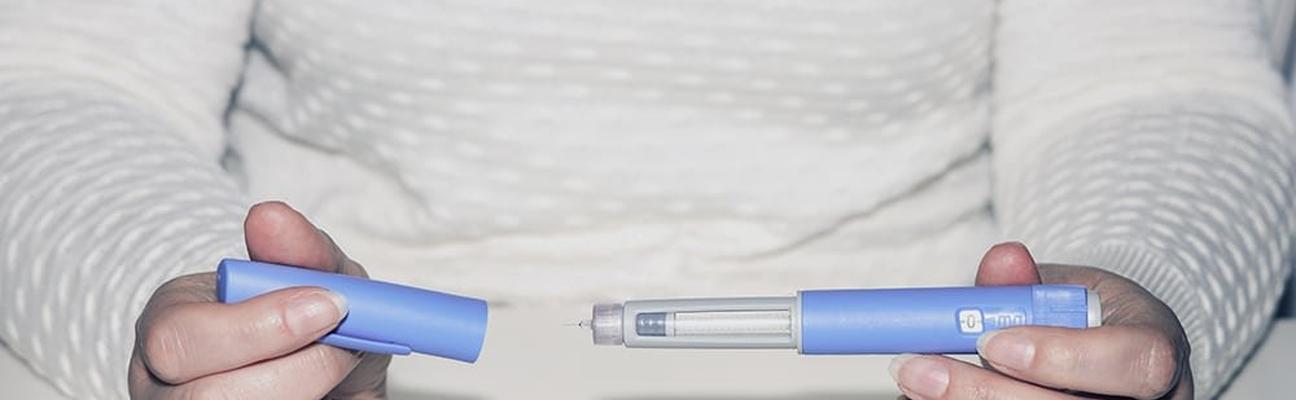
Weight loss injections are injectable medications that are used to help individuals lose weight. They come in pre-filled injectable pens, similar in look to those used by people with nut allergies. They work by mimicking the effects of a natural hormone called glucagon-like peptide-1 (GLP-1), usually created in the intestines after a meal.
These prescription medications belong to a class of drugs known as GLP-1 receptor agonists. When you eat a meal, your intestines naturally produce GLP-1, which plays several important roles in your body's metabolic processes. This hormone signals to your brain that you're satisfied and full, helps regulate blood sugar levels by stimulating insulin production when needed, and slows down the rate at which food leaves your stomach. However, the natural GLP-1 your body produces breaks down very quickly, within minutes, which is why its effects are relatively short-lived.
Weight loss injection medications are designed to mimic this natural hormone but with a crucial difference: they remain active in your body for much longer periods. This extended activity means the appetite-suppressing and metabolic benefits last throughout the day or even longer, depending on the specific medication. The result is a sustained feeling of fullness, reduced cravings for food, and better blood sugar control, all of which contribute to eating fewer calories and losing weight over time.
These injections stimulate insulin secretion, reduce glucagon secretion, and slow gastric emptying, leading to lower blood sugar levels and a feeling of satisfaction and fullness. The medications work on multiple levels within your body, affecting not just your digestive system but also the appetite control centres in your brain. This multi-faceted approach is what makes them so effective for weight management, particularly for individuals who have struggled to lose weight through traditional diet and exercise alone.
Some of the most commonly used weight loss injections include Ozempic, Saxenda, and Wegovy. Ozempic and WeGovy contain the active ingredient semaglutide, while Saxenda contains a similar but chemically different medication called liraglutide. More recently, Mounjaro, which contains tirzepatide, has emerged as another highly effective option. Mounjaro is unique because it acts on two hormone receptors rather than just one, targeting both GLP-1 and GIP (glucose-dependent insulinotropic polypeptide) pathways, which may lead to even greater weight loss results for some patients.
All of these injections work in the same way. Some are to be administered once a week, while others are once a day, but all work to reduce appetite and thus reduce calorie intake to promote sustainable weight loss. The convenience of weekly injections versus daily administration can be an important consideration for many patients, as it affects how the medication fits into your daily routine and lifestyle. At Bodyline, our experienced clinical team will help you determine which medication and dosing schedule is most appropriate for your individual needs and circumstances.
It's important to understand that weight loss injections are prescription-only medications that should only be used under proper medical supervision. They are not available over the counter, and any website or individual offering to sell them without a prescription is operating illegally and potentially putting your health at risk. The prescription requirement exists because these are powerful medications that need to be carefully matched to each patient's medical profile, with ongoing monitoring to ensure safety and effectiveness.
Weight loss injections work by reducing appetite and food intake. They do this by mimicking the effects of a hormone released in the intestines when a person has just eaten, making them feel fuller throughout the day. They also work in the appetite centre of the brain to curb cravings and prevent snacking. These mechanisms work well to ensure that the user remains in a caloric deficit and thus will lose weight successfully.
The science behind how weight loss injections work is fascinating and demonstrates why they can be so effective where other weight loss methods have failed. When you inject these medications, they bind to GLP-1 receptors located throughout your body, including in your pancreas, stomach, brain, and other organs. This widespread receptor activation triggers a cascade of effects that all work together to promote weight loss.
In your brain, the medication acts on the hypothalamus, which is the control centre for hunger and satiety. By activating GLP-1 receptors in this region, the injections effectively turn down the volume on hunger signals while amplifying feelings of fullness. Many patients describe this as finally feeling in control around food for the first time in years. The constant thoughts about food, the urge to snack between meals, and the difficulty feeling satisfied after eating all diminish significantly. This isn't about willpower or discipline; it's about addressing the biological mechanisms that drive appetite and food intake.
In your digestive system, weight loss injections slow gastric emptying, which means food stays in your stomach for longer. This prolonged presence of food in the stomach contributes to extended feelings of fullness after meals. You'll likely find that you feel satisfied with smaller portions and remain comfortable for longer periods between meals. This effect can be particularly helpful for people who have struggled with portion control or who find themselves hungry again shortly after eating.
The medications also affect how your body processes glucose and insulin. When blood sugar levels rise after eating, the injections stimulate your pancreas to release insulin, which helps move glucose from your bloodstream into your cells where it can be used for energy. At the same time, they suppress the release of glucagon, a hormone that would otherwise signal your liver to release stored glucose into your bloodstream. This dual action helps keep blood sugar levels stable, preventing the spikes and crashes that can trigger hunger and cravings, particularly for sugary or high-carbohydrate foods.
Not only do weight loss injections help individuals lose weight by promoting satiety and reducing the amount of food consumed, but they may also help to improve glycaemic control in people with type 2 diabetes. This is because weight loss medications, namely WeGovy and Ozempic, help to lower blood sugar and regulate the blood sugar level, preventing unhealthy spikes. For patients with type 2 diabetes or prediabetes, this blood sugar regulation can be life-changing, potentially reducing the need for other diabetes medications or even helping to reverse the condition in some cases when combined with significant weight loss.
The metabolic effects of these medications extend beyond just appetite suppression and blood sugar control. Research suggests they may also have beneficial effects on inflammation, cardiovascular health, and even liver function. Some studies have shown improvements in markers of heart disease risk, reductions in liver fat in patients with non-alcoholic fatty liver disease, and decreased inflammation throughout the body. These additional health benefits make weight loss injections particularly valuable for patients dealing with obesity-related health complications.
It's worth noting that the effectiveness of weight loss injections is significantly enhanced when they're used as part of a comprehensive weight management programme that includes dietary guidance, physical activity recommendations, and behavioural support. At Bodyline, we don't simply prescribe medication and send you on your way. Our medical weight loss programmes provide ongoing support, regular monitoring, and personalised advice to help you make the lifestyle changes that will support long-term weight maintenance once you've achieved your goals.
The National Institute for Health and Care Excellence (NICE) recommends that weight loss injections may be prescribed to individuals who have a body mass index (BMI) of over 30 or a BMI of over 27 with related health problems such as high blood pressure, high cholesterol, or type 2 diabetes.
GP's will soon be able to prescribe weight loss injections like WeGovy to those with a BMI of 35 and over, though waitlists and funding issues may not make this the easiest route to go down. The NHS is facing significant capacity constraints, and many patients are experiencing long waiting times for specialist weight management services. This is one reason why many people turn to private providers like Bodyline, where appointments are readily available and treatment can begin without lengthy delays.
However, meeting the BMI criteria alone doesn't automatically mean weight loss injections are right for you. There are several important factors that need to be considered, and certain medical conditions or circumstances may make these medications unsuitable or require additional precautions. A thorough medical assessment is essential before starting any weight loss injection treatment.
It's important to speak with a qualified medical professional to determine if weight loss injections are the right treatment option for you. A specialist at Bodyline can help determine if you meet the criteria for weight loss injections and can monitor your progress to ensure that they are effective and safe. When you get in touch with one of our customer service specialists, they will be able to base your medical weight loss prescriptions on your medical history, lifestyle, and goals.
During your initial consultation, our clinical team will conduct a comprehensive assessment that includes reviewing your weight history, previous weight loss attempts, current medications, any existing health conditions, and your personal weight loss goals. We'll discuss your eating patterns, activity levels, and any factors that may have contributed to weight gain. This thorough evaluation ensures that we can create a treatment plan that's tailored specifically to your needs and circumstances.
Certain medical conditions may make weight loss injections unsuitable or require special consideration. For example, if you have a personal or family history of medullary thyroid carcinoma or multiple endocrine neoplasia syndrome type 2, GLP-1 medications are contraindicated. If you have a history of pancreatitis, severe gastrointestinal disease, or certain other conditions, additional evaluation may be needed before treatment can begin. Pregnant or breastfeeding women should not use weight loss injections, as their safety in these situations has not been established.
Age is another consideration. Weight loss injections are typically prescribed for adults, and special care is taken when treating older patients who may have multiple health conditions or take several medications. At Bodyline, we have extensive experience working with patients across all adult age groups, and our clinical team is skilled at identifying any potential interactions or concerns that need to be addressed before starting treatment.
For patients with type 2 diabetes, weight loss injections can be particularly beneficial, but they require careful coordination with existing diabetes medications. If you're taking insulin or certain oral diabetes medications, your doses may need to be adjusted as you begin weight loss treatment to prevent hypoglycemia (low blood sugar). Our medical team works closely with patients to monitor blood sugar levels and make appropriate medication adjustments throughout treatment.
We have a number of medical weight loss treatments available to new and returning customers, including Phentermine, Diethylpropion, Saxenda, Ozempic, and WeGovy, as well as HRT for those currently going through the menopause and herbal supplements to help along the journey. If our weight loss injections are not right for you, ask about our other treatment options.
The variety of treatment options available at Bodyline means that even if one particular weight loss injection isn't suitable for you, there may be alternative medications or treatment approaches that can help you achieve your goals. Our oral appetite suppressant medications, for instance, have helped thousands of patients lose weight successfully and may be more appropriate for some individuals. The key is finding the right treatment that matches your medical profile, lifestyle, and preferences.
Over 100,000 people have seen success with our medical wellness services, you only have to see for yourself! Our success stories showcase real patients who have transformed their lives through our medically supervised weight loss programmes. From individuals who've lost several stone to those who've improved their diabetes control, reversed prediabetes, or simply regained their confidence and quality of life, these stories demonstrate the life-changing impact that proper medical weight loss treatment can have.
We have seen our customers lose up to a stone in their first month on medical weight loss treatments, though it is important to remember that everyone is different. Weight loss results vary significantly from person to person based on numerous factors including starting weight, adherence to the treatment plan, dietary changes, activity levels, metabolic rate, hormonal factors, and individual response to the medication.
Studies have shown that individuals taking weight loss injections can lose a significant amount of weight. For example, in what researchers call a 'game changing' study, users of Ozempic and Wegovy (semaglutide) have seen an average loss of 15% of their overall body weight, with people losing on average 35lbs.
Meanwhile, Saxenda users have seen an average weight loss of 5-10% of their overall body weight, with one study seeing participants lose around 22lbs on average over the course of the clinical trial. These clinical trial results provide important benchmarks, but it's crucial to understand that real-world results can vary. Some patients achieve even better results than those seen in clinical trials, while others may experience more modest weight loss.
The newer medication Mounjaro has shown particularly impressive results in clinical studies, with some patients losing up to 20% or more of their body weight. This dual-action medication, which targets both GLP-1 and GIP receptors, appears to be especially effective for many patients, though individual responses still vary. The enhanced effectiveness comes from the synergistic action of targeting two different metabolic pathways simultaneously, which can lead to greater appetite suppression and improved metabolic function.
Results will of course vary from person to person, depending on their activity level, calorie intake, as well as genetics, hormones, and lifestyle. Here at Bodyline, we can guarantee weight loss with all our treatment plans. This guarantee reflects our confidence in our medically supervised approach, which combines effective medications with comprehensive support, regular monitoring, and personalised guidance to help every patient achieve meaningful results.
The pattern of weight loss typically follows a predictable trajectory. Most patients experience their most rapid weight loss during the first few months of treatment, as their body adjusts to the medication and they establish new eating patterns. Weight loss then typically continues at a steadier pace over the following months. It's not uncommon for weight loss to plateau temporarily during treatment, but these plateaus are usually temporary and can often be overcome with adjustments to the treatment plan or renewed focus on dietary and activity habits.
One of the most important factors in determining your weight loss success is adherence to the treatment plan. This means taking your medication as prescribed, attending regular follow-up appointments, making the dietary changes recommended by your clinical team, and gradually increasing your physical activity as you're able. Patients who engage fully with all aspects of their treatment programme consistently achieve better results than those who rely on medication alone without making lifestyle modifications.
It's also worth noting that the number on the scales doesn't tell the whole story. Many patients find that their body composition improves significantly during treatment, with reductions in waist circumference, improvements in how clothes fit, and increases in energy and mobility that may not be fully reflected by weight alone. These non-scale victories are just as important as the weight loss itself and often have an even greater impact on quality of life and overall health.
At Bodyline, we track multiple measures of progress beyond just weight, including body measurements, blood pressure, blood sugar levels for diabetic patients, and subjective measures like energy levels, sleep quality, and overall wellbeing. This comprehensive approach to monitoring progress helps ensure that you're not just losing weight but improving your overall health in meaningful ways.
One of the main benefits of weight loss injections is that they can help individuals struggling with obesity lose weight without the need for surgery or invasive procedures. This is especially helpful when people are at higher risk of major adverse cardiovascular events like heart attacks or stroke. For many patients, weight loss injections offer an effective alternative to bariatric surgery, with significant weight loss achievable through medical treatment rather than surgical intervention.
In fact, Novo Nordisk, the pharmaceutical company responsible for Ozempic and WeGovy, saw a 20% reduction in risk of heart attacks or strokes in a promising study of semaglutide use. This cardiovascular benefit is particularly significant for patients with obesity who already have heart disease or multiple risk factors. The reduction in cardiovascular events appears to be greater than would be expected from weight loss alone, suggesting that these medications may have direct protective effects on the heart and blood vessels.
It can be very difficult to push through the beginning of a caloric deficit, and when some attempt to lose weight through diet and exercise alone, they can find it difficult to get past the hunger pangs of a reduced caloric intake. This is where weight loss injections can really come into their own and ensure there is no danger of binging or falling back into unhealthy habits. The biological drive to eat when restricting calories is powerful and often overwhelming, which is why so many diets fail. By addressing this biological drive at its source, weight loss injections make it possible to maintain a calorie deficit without the constant struggle against hunger.
Weight loss injections are also relatively easy to use, with most injections being administered at home, into the thigh. The injection process is straightforward and virtually painless, with very fine needles that most patients find comfortable to use. After initial training on proper injection technique, most patients quickly become confident in self-administering their medication. The pre-filled pens are designed to be user-friendly, with clear instructions and simple mechanisms that make the process as easy as possible.
Beyond the primary benefit of weight loss, these medications offer numerous secondary health improvements. For patients with type 2 diabetes, improved blood sugar control often means reduced need for other diabetes medications, including insulin. Some patients are able to reduce or discontinue diabetes medications entirely as their weight decreases and their metabolic health improves. Blood pressure often improves with weight loss, potentially reducing the need for blood pressure medications. Cholesterol levels typically improve as well, with reductions in harmful LDL cholesterol and triglycerides.
The psychological and emotional benefits of successful weight loss should not be underestimated. Many patients report significant improvements in self-confidence, mood, and overall quality of life. Physical activities that were previously difficult or impossible become easier and more enjoyable. Sleep quality often improves, particularly for patients with sleep apnoea. Joint pain typically decreases as excess weight is lost, making movement more comfortable and encouraging increased physical activity.
For women struggling with polycystic ovary syndrome (PCOS), weight loss achieved through these medications can help improve hormonal balance, regulate menstrual cycles, and improve fertility. For patients with non-alcoholic fatty liver disease, weight loss can reduce liver fat and improve liver function tests. The metabolic improvements that accompany weight loss have far-reaching effects throughout the body, benefiting multiple organ systems and reducing the risk of numerous obesity-related health complications.
Another significant benefit is the comprehensive support provided when these medications are prescribed as part of a proper medical weight loss programme like those offered at Bodyline. You're not just given a prescription and left to figure things out on your own. Our programmes include regular consultations with experienced clinical staff, ongoing monitoring of your progress and any side effects, nutritional guidance to help you make healthier food choices, advice on gradually increasing physical activity, and support for the behavioural changes needed for long-term success.
If you're considering weight loss injections, the first step is to book a consultation with one of our experienced clinical team members. During this consultation, we'll discuss your weight history, medical background, current health status, and weight loss goals. We'll explain the different treatment options available, answer all your questions, and help you determine whether weight loss injections are the right choice for you.
You can reach us by calling 0800 995 6036 to speak with one of our friendly customer service team members who can answer initial questions and book your consultation. Alternatively, you can complete our online contact form and we'll call you back at a time that's convenient for you. We offer consultations at our clinics throughout the Northwest of England, as well as online video consultations for patients who prefer the convenience of remote appointments or who live outside our clinic catchment areas.
Our clinics are located in convenient locations across the region, making it easy to access the expert care you need. Whether you're in Merseyside, Greater Manchester, Cheshire, or Staffordshire, there's a Bodyline clinic nearby where you can receive personalised, face-to-face care from our experienced clinical team. For patients who prefer online consultations, we offer the same high standard of care through secure video appointments, with medications delivered directly to your door.
Book a consultation at Bodyline Clinic to discuss whether weight loss injections are right for you and to learn more about our comprehensive medical weight loss programmes.
Weight loss injections may cause some side effects, such as nausea, vomiting, and diarrhoea. However, with the support of Bodyline these side effects can be monitored, and dosage or medication can be altered to help you push through your medical weight loss journey as hassle free as possible.
It's important to be realistic about potential side effects before starting weight loss injection treatment. While many patients tolerate these medications well with minimal or no side effects, others may experience more significant symptoms, particularly during the initial weeks of treatment. Understanding what to expect and how to manage side effects can help you prepare mentally and practically for treatment.
The most common side effects are gastrointestinal in nature, including nausea, which is the most frequently reported side effect and can range from mild queasiness to more significant nausea that affects appetite and daily activities. Vomiting can occur, though it's less common than nausea and usually resolves as your body adjusts to the medication. Diarrhoea or constipation may occur as the medication affects digestive function and gut motility. Abdominal discomfort, bloating, or cramping can happen as your digestive system adapts to slower gastric emptying. Acid reflux or heartburn may be experienced by some patients.
These gastrointestinal side effects typically peak during the first few weeks of treatment and often improve significantly as your body adjusts to the medication. Starting at a lower dose and gradually increasing it over time, as is standard practice, helps minimise these symptoms. At Bodyline, we provide detailed guidance on managing side effects, including dietary strategies that can help reduce nausea, advice on meal timing and composition, recommendations for staying hydrated, and when to contact us if symptoms become problematic.
Other potential side effects include fatigue or tiredness, particularly in the early stages of treatment as your body adjusts to eating less and your metabolism changes. Headaches can occur, though they're usually mild and temporary. Some patients experience dizziness, especially if they're not eating enough or are dehydrated. Injection site reactions such as redness, itching, or mild discomfort at the injection site are possible but usually resolve quickly.
More serious side effects are rare but possible. These include pancreatitis, which is inflammation of the pancreas causing severe abdominal pain. Gallbladder problems, including gallstones, can occur with rapid weight loss. Kidney problems may develop, particularly if dehydration occurs. Changes in vision have been reported in some patients with diabetes. Allergic reactions, while uncommon, can occur with any medication. If you experience severe abdominal pain, persistent vomiting, signs of an allergic reaction, or any other concerning symptoms, it's crucial to seek medical attention immediately.
The cost of weight loss injections is another consideration that some patients view as a disadvantage. These medications are expensive, and while they may be available on the NHS for some patients, many people need to access them privately. At Bodyline, we strive to make treatment as affordable as possible while maintaining the highest standards of medical care and support. We offer various payment options and treatment packages to help make weight loss injections accessible to more patients who could benefit from them.
Weight loss injections require a long-term commitment. These are not medications you take for a few weeks or months and then stop. Most patients need to continue treatment for an extended period to achieve and maintain their weight loss goals. Some patients may need to stay on medication indefinitely to prevent weight regain. This long-term nature of treatment is something to consider carefully before starting, both in terms of the ongoing cost and the commitment to regular injections and follow-up appointments.
There's also the question of what happens when you stop taking weight loss injections. Research has shown that many patients regain some or all of the weight they lost when they discontinue medication, particularly if they haven't made sustainable lifestyle changes during treatment. This is why the support and guidance provided as part of a comprehensive weight loss programme is so crucial. At Bodyline, we work with patients not just to lose weight but to develop the habits and behaviours that will help them maintain their weight loss long-term, whether they continue medication or eventually transition off it.
Some patients find the idea of self-injecting medication uncomfortable or anxiety-provoking. While most people quickly adapt to the injection process, for those with needle phobia or significant injection anxiety, this can be a genuine barrier to treatment. In such cases, our oral appetite suppressant medications may be a more suitable alternative.
It's also worth noting that weight loss injections are not suitable for everyone, and the eligibility criteria mean that some people who want to try these medications may not meet the requirements for prescription. Additionally, certain medical conditions or medications may make weight loss injections unsuitable or require additional precautions, potentially limiting treatment options for some patients.
At Bodyline, we offer weight loss injections as part of our medical weight loss programs. Our team of experts can help determine if weight loss injections are the right option for you and can monitor your progress to ensure that they are effective and safe. We offer consultations, prescriptions, and monthly reviews, as well as fortnightly support calls to ensure you are being looked after throughout your weight loss journey.
Our comprehensive approach to weight loss treatment goes far beyond simply providing a prescription. When you join a Bodyline weight loss programme, you become part of a supportive community with access to experienced clinical professionals who understand the challenges of losing weight and are committed to helping you succeed. Our programmes are built on nearly two decades of experience in medical weight loss treatment, with protocols and support systems that have been refined through helping over 100,000 patients achieve their goals.
The weight loss injections we offer include Saxenda (liraglutide), which is administered once daily and has been used successfully for weight loss for many years. Wegovy (semaglutide), administered once weekly, has shown excellent weight loss results in clinical trials and real-world use. Ozempic (semaglutide), primarily prescribed for type 2 diabetes but also effective for weight loss, administered once weekly. Mounjaro (tirzepatide), the newest option offering dual-action appetite suppression through both GLP-1 and GIP pathways, administered once weekly.
Each of these medications has its own characteristics, benefits, and considerations. During your consultation, our clinical team will discuss which option is most appropriate for your individual circumstances, taking into account factors such as your medical history, any existing health conditions, other medications you're taking, your weight loss goals and timeline, your lifestyle and preferences, and any previous experience with weight loss medications.
Our medical weight loss programmes include an initial comprehensive consultation where we assess your suitability for treatment, discuss your goals and expectations, explain how the medication works and what to expect, and provide detailed instructions on injection technique and medication storage. You'll receive a personalised treatment plan tailored to your individual needs and circumstances, with clear guidance on diet, activity, and lifestyle modifications to support your weight loss.
Regular follow-up appointments ensure ongoing monitoring and support, with weight and measurement tracking at each visit, blood pressure monitoring, discussion of any side effects or concerns, and adjustment of medication dose as needed to optimise results while minimising side effects. Between appointments, you'll have access to our clinical team for questions or concerns, with support calls to check on your progress and provide encouragement, and access to nutritional guidance and lifestyle advice.
We also provide education and resources to help you succeed, including information about healthy eating and portion control, guidance on gradually increasing physical activity, strategies for managing triggers and emotional eating, and tips for maintaining weight loss long-term. Our goal is not just to help you lose weight but to empower you with the knowledge and skills needed to maintain a healthier weight for life.
If you're interested in weight loss injections, call Bodyline Medical Wellness Clinics today at 0800 995 6036 or fill in our online contact form for a call back. We have over 17 years of clinical experience, with over 100,000 happy customers and clients that have seen significant improvements in their lives thanks to our medical wellness treatments and programs.
Our experienced team includes qualified doctors and nurse prescribers who specialise in weight management and obesity treatment. All our clinics are CQC-regulated, ensuring you receive care that meets the highest standards of safety and quality. We're proud of our track record of helping patients achieve life-changing weight loss results, and we're committed to providing the same excellent care and support to every patient who walks through our doors or joins our online programmes.
Taking the first step towards medical weight loss treatment can feel daunting, but you don't have to do it alone. Our friendly, non-judgemental team is here to support you every step of the way, from your initial enquiry through to achieving and maintaining your weight loss goals. We understand the challenges you're facing because we've helped thousands of patients overcome them. Whether you're dealing with obesity-related health complications, struggling with emotional eating, finding it difficult to lose weight despite your best efforts, or simply wanting to improve your health and quality of life, we're here to help.
Don't let another year go by wishing you could lose weight. Book your consultation today and take the first step towards a healthier, happier you. With the right support, guidance, and medical treatment, significant weight loss is achievable, and the improvements to your health, confidence, and quality of life can be truly transformative.
BMI calculator
Enter your height and weight to work out your Body Mass Index in seconds.
Your BMI
Find out where you sit and what your options are
Your BMI
Our CQC-regulated clinical team will confirm your eligibility at consultation, in clinic or by video.
CQC regulated 4.8 on Trustpilot
If you'd like advice on your health and wellbeing, our team can talk you through the services we offer.
Explore our servicesWe'd recommend speaking to your GP, who can check everything is OK and offer the right support.
BMI ranges work differently for under 18s. Please speak to your GP for advice.
Please check your height and weight.
Contact us today
Find out more about how we can treat and support you to improve your health and wellbeing.

No-obligation advice from our CQC-regulated team, in clinic or by video.





