
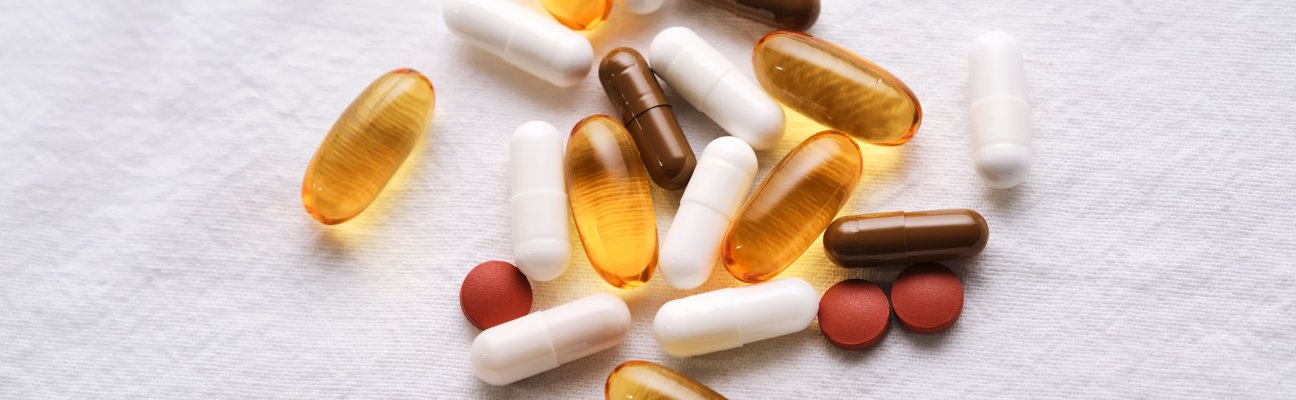


Weight Loss Supplements
Posted on September 30, 2026 by Sally-Anne Turner
What Works and What’s Safe
When you’re managing type 2 diabetes and working towards weight loss, you’ve probably wondered whether supplements could support your efforts. Perhaps you’ve seen advertisements for fat burners or appetite suppressants and questioned if they’re safe to use alongside your diabetes medication. Maybe you’re already using weight loss injections for type 2 diabetes and want to know if supplements could enhance your results. Or you’re simply curious about whether these products live up to their promises.
The supplement industry is vast, confusing, and often overwhelming. Walk into any health shop and you’ll find shelves packed with products making bold claims about melting fat, suppressing appetite, or boosting metabolism. Some of these claims have scientific backing. Many don’t. And when you’re living with diabetes, the stakes are higher – you need to know not just whether a supplement might work, but whether it’s safe to use alongside your medication and won’t interfere with your blood sugar control.
This isn’t about finding a magic pill that will do all the work for you. Weight loss supplements, when used appropriately, may be complementary tools that support – but do not replace – a comprehensive approach to weight management and diabetes control. Let’s cut through the marketing hype and examine the evidence, what’s safe for people with type 2 diabetes, and how supplements may fit into a weight loss strategy.
Understanding Weight Loss Supplements: What They Actually Do
Before diving into specific products, it’s worth understanding the different categories of weight loss supplements and the mechanisms through which they claim to work. This knowledge helps you make informed decisions about what might be appropriate for your situation.
How Weight Loss Supplements Work
Weight loss supplements typically claim to work through one or more of several mechanisms. Some aim to suppress appetite, making you feel fuller and reducing your overall calorie intake. Others claim to block the absorption of certain nutrients, particularly fats or carbohydrates, so that fewer calories from food are absorbed into your body. A third category focuses on increasing metabolism or thermogenesis – the rate at which your body burns calories.
Then there are supplements that target specific aspects of metabolic health relevant to diabetes and weight management. These might affect insulin sensitivity, inflammation, or other aspects of metabolic health. The effectiveness of these mechanisms varies considerably, and the quality of evidence supporting different supplements ranges from clinical trials to little more than marketing claims.
For people with type 2 diabetes, understanding these mechanisms is particularly important. A supplement that affects carbohydrate absorption, for example, could potentially affect your blood sugar levels. An appetite suppressant might also work differently when you’re taking GLP-1 medications that already reduce hunger.
The Evidence Standard: What Actually Works
Most weight loss supplements have limited scientific evidence supporting their effectiveness. Many studies are small, short-term, industry-funded, or poorly designed. Where weight loss is observed in studies, the effect is often modest.
That doesn’t mean all supplements are necessarily ineffective. It means you need to be realistic about what they can achieve. Products claiming you’ll lose significant amounts of weight in a short period without changing your diet or exercise habits should be treated cautiously.
The supplements with the strongest evidence tend to be those with clearer mechanisms of action and which have been studied in clinical trials. Products that have been studied in multiple independent trials, particularly in people with obesity or type 2 diabetes, warrant more consideration than those supported primarily by testimonials and before-and-after photos.
Natural Weight Loss Supplements for People with Type 2 Diabetes
Several natural supplements have been investigated for weight management, and some have also been studied in people with type 2 diabetes. Let’s examine some of these options and the evidence behind them.
White Kidney Bean Extract: The Carbohydrate Blocker
White kidney bean extract contains compounds that inhibit alpha-amylase, an enzyme your body uses to break down carbohydrates. By inhibiting this enzyme, the supplement may reduce the digestion and absorption of some carbohydrates.
Some studies have investigated white kidney bean extract for carbohydrate absorption and weight management. However, this doesn’t mean you can eat unlimited carbohydrate-rich foods without consequences, and the effect can vary between products and individuals.
Some research has reported modest weight loss when white kidney bean extract is combined with a calorie-controlled diet. At Bodyline, our Carb Blocker capsules contain white kidney bean extract formulated to support weight management.
If you have type 2 diabetes and take medication, particularly insulin or sulphonylureas, speak to a healthcare professional before using supplements that may affect carbohydrate absorption or blood glucose.
Natural Fat Burners: Boosting Metabolism Safely
The term “fat burner” covers a broad range of supplements, many of which contain stimulants like caffeine or synephrine. These may not be appropriate for everyone, particularly people with cardiovascular conditions or blood pressure concerns.
Other products use non-stimulant ingredients. Green tea extract, for example, contains compounds called catechins and has been investigated for its potential effects on fat oxidation, thermogenesis and weight management.
L-carnitine is another compound involved in fat metabolism by helping transport fatty acids into cells’ mitochondria. Whilst the effects on weight loss appear modest, some research has investigated its potential effects on metabolic health in people with type 2 diabetes.
Conjugated linoleic acid (CLA) has also been studied for its effects on body composition. Results have been mixed, with some studies suggesting modest effects and others showing little benefit.
Bodyline’s Fat Burner capsules combine three key natural ingredients and contain no stimulants.
Appetite Suppressants: Natural Options
Controlling appetite can be challenging during weight loss, and several natural supplements have been investigated for their potential effects on appetite.
Glucomannan is a soluble fibre derived from the konjac plant. It absorbs water and expands, which may help increase feelings of fullness. It has also been investigated for its effects on calorie intake, weight management and carbohydrate absorption.
5-HTP (5-hydroxytryptophan) is a precursor to serotonin, a neurotransmitter involved in appetite regulation and mood. Some research suggests 5-HTP may affect appetite and calorie intake. However, it can interact with certain medicines, including some antidepressants, so medical guidance is essential.
Chromium picolinate has been studied for its effects on blood sugar control and appetite. Evidence for weight loss is mixed, and people taking diabetes medication should seek medical advice before using supplements that may affect blood glucose.
Our Phent-H capsules offer a natural approach to appetite control. If you’re already using prescription weight loss medication, speak to your healthcare provider before combining it with appetite-related supplements.
Combining Supplements with GLP-1 Medications
If you’re already using weight loss injections like Wegovy or Mounjaro, you might wonder whether adding supplements offers any additional benefit. The answer depends on the specific supplement, your medication and your individual circumstances.
Understanding the Synergy
GLP-1 medications work through several mechanisms, including reducing appetite and slowing gastric emptying. Supplements work differently depending on their ingredients, which means potential benefits and interactions need to be considered individually.
For example, some supplements are marketed as affecting fat metabolism or carbohydrate absorption rather than appetite. However, this doesn’t necessarily mean that combining them with GLP-1 medication will produce greater weight loss, and evidence for individual combinations may be limited.
Many patients experience changes in the rate of weight loss as they progress through their Mounjaro treatment or other GLP-1 therapy. If your weight loss slows or plateaus, this is something to discuss with your healthcare provider rather than changing medication doses or adding supplements without guidance.
What Works Well Together
Whether a supplement is appropriate alongside a GLP-1 medication depends on its ingredients, your health, other medications and your individual nutritional needs.
Supplements affecting carbohydrate absorption may also influence blood glucose, which is particularly important for people taking diabetes medication.
Vitamin and mineral supplementation may sometimes be appropriate if your dietary intake is reduced or a deficiency is identified. Products such as Vitamin B12 spray and Vitamin D3 spray may be considered where supplementation is appropriate.
What to Avoid or Use Cautiously
Additional appetite suppressants may not be appropriate when you’re already taking GLP-1 medication. Excessive appetite suppression and inadequate food intake can contribute to nutritional deficiencies and loss of lean mass.
Products that may affect gastric emptying should also be discussed with your healthcare provider, particularly if you are already experiencing gastrointestinal side effects from GLP-1 medication.
Always inform your healthcare provider about any supplements you’re taking or planning to take. This is particularly important if you’re using insulin or other diabetes medications alongside your GLP-1 therapy, as some supplements can affect blood glucose or interact with medicines.
Essential Vitamins and Minerals for Weight Loss and Diabetes
Whilst not traditionally thought of as “weight loss supplements,” certain vitamins and minerals play important roles in normal metabolism and health. Identifying and treating deficiencies can be particularly important for people managing long-term health conditions.
Vitamin B12: Energy and Metabolism
Vitamin B12 is essential for normal energy-yielding metabolism and nervous system function. Metformin can reduce vitamin B12 levels in some people, which is why B12 deficiency is an important consideration for people taking the medication long-term.
Symptoms of B12 deficiency can include fatigue, weakness and problems with concentration.
Supplementing with B12 won’t directly cause weight loss, but correcting a deficiency is important for overall health. Different forms of supplementation are available, and the most appropriate option will depend on the individual and the cause of the deficiency.
Vitamin D: More Than Bone Health
Vitamin D is important for bone, muscle and immune health, and deficiency or insufficiency is relatively common in the UK. People should follow current UK guidance on vitamin D supplementation, with individual medical advice where necessary.
Research has also explored relationships between vitamin D status, obesity, type 2 diabetes and metabolic health, although supplementation should not be regarded as a weight loss treatment in itself.
Magnesium: The Forgotten Mineral
Magnesium is involved in hundreds of enzymatic reactions in the body, including processes related to glucose metabolism and normal muscle and nerve function.
Research has investigated magnesium supplementation in relation to insulin sensitivity and metabolic health. However, supplementation is not necessary for everyone, and people taking medicines or managing long-term conditions should discuss supplements with a healthcare professional where appropriate.
Omega-3 Fatty Acids: Anti-Inflammatory Support
Omega-3 fatty acids from fish oil or algae oil don’t directly cause weight loss but have been extensively studied for their effects on cardiovascular and metabolic health.
Some research has also explored whether omega-3s influence body composition during weight loss. However, they should not be considered a standalone weight loss treatment.
Safety Considerations and Potential Interactions
Just because something is “natural” doesn’t mean it’s automatically safe, particularly when you’re managing a chronic condition like type 2 diabetes and taking prescription medications. Understanding potential risks and interactions is essential for using supplements safely.
Blood Sugar Effects
Any supplement that affects carbohydrate absorption or metabolism can potentially impact your blood sugar levels. This is particularly important if you are taking medicines that can cause hypoglycaemia.
If you’re taking insulin or sulphonylureas, speak to your diabetes healthcare team before starting supplements that may affect blood glucose. Medication doses should only be changed following appropriate medical advice.
If you notice changes in your blood glucose readings or experience frequent low blood sugars after starting a supplement, contact your healthcare provider.
Medication Interactions
Some supplements can interact with medicines used for diabetes and other conditions. Fibre supplements, for example, may affect the absorption of some oral medicines, so check the product instructions and seek advice from a pharmacist or healthcare professional about appropriate timing.
St John’s Wort can interact with numerous medications and reduce the effectiveness of some medicines. If you’re taking prescription medication, check with your pharmacist or healthcare provider before using a supplement containing St John’s Wort.
Green tea extract in high doses has also been associated with liver problems in rare cases. People with liver conditions or taking other medicines should seek advice before using concentrated green tea supplements.
Quality and Purity Concerns
Food supplements in the UK are regulated as foods rather than medicines. This means they are not assessed in the same way as licensed medicines before being sold.
Choose supplements from reputable manufacturers and follow the instructions provided with the product. At Bodyline, our supplements are formulated and manufactured to appropriate quality standards.
Be wary of supplements that seem too good to be true or make extravagant claims. Products promising rapid, dramatic weight loss without diet or exercise changes should be approached with caution.
Creating an Effective Supplement Strategy
Rather than randomly trying different supplements, consider your individual needs, current medication and health before deciding whether supplementation is appropriate.
Assessing Your Needs
Start by identifying your specific challenges. Are you struggling most with appetite control? Do you have carbohydrate cravings? Is low energy making it difficult to exercise? Are you already using GLP-1 medication but experiencing a weight loss plateau? Different challenges may require different approaches.
Blood tests can sometimes be useful for identifying specific nutrient deficiencies where clinically appropriate. Our Explore Women’s Health Check or Explore Men’s Health Check provides assessment of a range of biomarkers, including vitamins, minerals and metabolic health indicators.
For women experiencing perimenopause or menopause alongside weight management challenges, the Explore Female Hormones Health Check M-Plan can provide information about hormone levels and other relevant health markers.
Building Your Supplement Stack
Start by considering whether you actually need supplementation, particularly for nutrients such as B12 and vitamin D. Identified deficiencies should be managed appropriately.
If you’re considering a targeted weight loss supplement, look at the evidence for its ingredients and whether it is appropriate alongside any medications or health conditions you have.
Avoid taking multiple products containing similar ingredients, as this may increase the risk of side effects without necessarily improving results.
Timing and Dosing
Follow the dosing instructions provided with supplements carefully. More isn’t always better, and exceeding recommended doses can increase the risk of side effects.
Some supplements need to be taken with food, while others have specific instructions about timing. If a supplement could interact with your medication, ask a pharmacist or healthcare professional how the products should be taken.
Realistic Expectations and the Bigger Picture
It’s important to maintain realistic expectations about what supplements can achieve. They’re tools that may support your weight loss efforts, not magic solutions that will do the work for you.
What Supplements Can and Cannot Do
The evidence supporting many weight loss supplements is limited, and where benefits have been demonstrated they are generally modest.
Supplements cannot compensate for poor diet choices or lack of physical activity. Where appropriate, they should complement rather than replace healthy eating, physical activity and evidence-based medical treatment.
They also shouldn’t be regarded as a replacement for licensed weight management treatments where these are clinically appropriate. For people with type 2 diabetes and obesity, treatment should be tailored to their individual medical needs.
The Importance of Professional Guidance
Managing type 2 diabetes whilst trying to lose weight is complex. The interplay between blood sugar levels, medications, diet, exercise and supplements requires careful consideration. This is why working with healthcare professionals who understand these factors is so valuable.
At Bodyline, we don’t just prescribe medication or sell supplements. We provide comprehensive medical weight loss programmes that address different aspects of your health. Our approach recognises that successful, sustainable weight loss requires personalised treatment that considers your individual medical history, current medications, lifestyle and goals.
Whether you need specialised support for weight loss due to complex medical history, are interested in prescription medications or supplements, or simply want expert guidance on the most appropriate approach for your situation, our team is here to help.
We offer both in-clinic appointments at our locations throughout the North West and convenient online consultations for patients across the UK. This flexibility means you can access care in whatever way works best for your lifestyle and circumstances.
Taking the Next Step Towards Your Goals
Weight loss supplements may have a role for some people, but they’re not miracle cures. Their suitability depends on the product, the evidence behind it, your health and any medications you’re already taking.
The key is approaching supplementation carefully. Understand what you’re taking and why. Choose quality products, follow the recommended instructions and seek professional advice where necessary. Most importantly, view supplements as part of a wider approach that includes appropriate medical care, healthy eating habits, regular physical activity and adequate sleep.
If you’re currently managing type 2 diabetes and struggling with weight loss, or if you’re already using weight loss injections and wondering how to optimise your results, we’d love to help you create a personalised plan that’s safe, effective and sustainable.
Book a consultation today to discover how we can help you achieve your health goals. Our expert team will assess your individual situation, discuss whether weight loss supplements could be appropriate for you, and create a treatment plan designed specifically for your needs.
Your journey to better health doesn’t have to be complicated or confusing. With the right information and professional support, you can make progress towards your weight and blood sugar goals. Contact Bodyline today to take the next step.