CQC-regulated clinics & online consultations


Posted on November 20, 2023 by Sally-Anne Turner
Menopause is a natural transition in a woman's life, usually between the ages of 45 and 55, when her ovaries run out of egg cells and production of oestrogen and other hormones declines. The average age for a woman to reach menopause in the UK is 51, although around 5% of women naturally go through early menopause. Early and premature menopause can also be brought on by other extenuating circumstances, including certain medical conditions and treatments.
Understanding the symptoms of early menopause is crucial for women who may be experiencing this transition earlier than expected. Many women find themselves confused and concerned when they begin experiencing menopausal symptoms in their late thirties or early forties, often dismissing these signs as stress, fatigue, or other health issues. Early recognition of these symptoms can lead to timely medical intervention, appropriate hormone replacement therapy, and better management of both physical and emotional wellbeing during this significant life transition.
Premature menopause, also known as premature ovarian failure or premature ovarian insufficiency, occurs when a woman completes menopause before the age of 40. Early menopause, as the name suggests, happens earlier than usual, between the ages of 40 and 45. Perimenopause begins around 8 to 10 years before menopause, most commonly in the mid-40s, and full menopause is reached when a woman has gone 12 months without a menstrual period and is no longer able to get pregnant naturally.
The distinction between premature and early menopause is important because each presents unique challenges and health considerations. Women experiencing premature menopause face a longer period of reduced oestrogen exposure, which can have more significant long-term health implications. The earlier menopause occurs, the more crucial it becomes to seek specialist medical advice and consider appropriate treatments such as hormone replacement therapy to protect bone health, cardiovascular function, and overall quality of life.
At Bodyline Clinic, we understand that experiencing menopause earlier than expected can be emotionally challenging as well as physically demanding. Many women feel isolated, worried about their fertility, and concerned about the long-term health implications. Our specialist menopause nurses provide compassionate, expert care tailored to the unique needs of women experiencing early or premature menopause. With clinics across the Northwest of England and online consultations available throughout the UK, we make it easy to access the support and treatment you need during this transition.
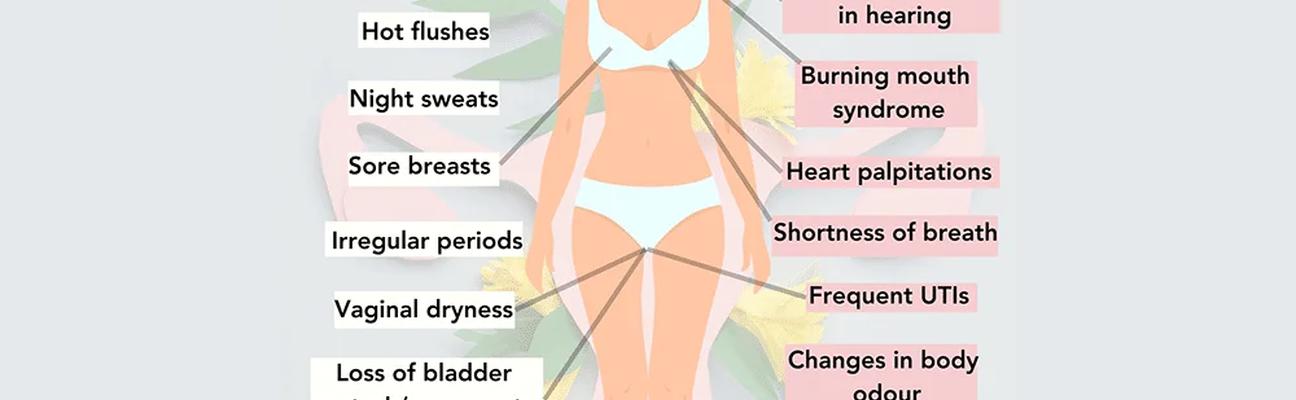
There are 48 symptoms of menopause, including early and premature menopause, according to Gen-M, with widely recognised associated symptoms including irregular periods, spotting between periods, hot flushes, fatigue, night sweats, sleep disruption, reduced sex drive, vaginal dryness, sore or tender breasts, loss of bladder control, headaches and migraines, weight gain and bloating, along with mental health symptoms such as brain fog, anxiety, depression, loss of confidence, reduced concentration, mood swings and lack of motivation.
The sheer number and variety of menopause symptoms can be overwhelming, particularly for women experiencing early menopause who may not have expected to face these challenges for another decade or more. What makes early menopause symptoms particularly difficult to identify is that they can be easily attributed to other life stressors, work pressures, or general health concerns. A woman in her late thirties experiencing fatigue, mood swings, and difficulty concentrating might naturally assume she's simply overworked or stressed, rather than recognising these as potential signs of hormonal changes.
Many women report feeling dismissed or misunderstood when they first seek help for early menopause symptoms. Healthcare providers may be reluctant to consider menopause as a diagnosis in younger women, instead suggesting stress management, lifestyle changes, or even antidepressants for mood-related symptoms. This is why specialist menopause care is so important. At Bodyline Clinic, our experienced team understands the full spectrum of menopause symptoms and can provide comprehensive assessment through our M Plan hormone health checks, which include detailed blood testing to accurately diagnose hormonal changes.
The psychological impact of early menopause symptoms should not be underestimated. Women experiencing these symptoms at a younger age often report feelings of premature ageing, loss of femininity, and concerns about their identity. The irregular periods and fertility implications can be particularly distressing for women who had hoped to have children or expand their families. Sleep disruption caused by night sweats can lead to chronic fatigue, affecting work performance, relationships, and overall quality of life. The combination of physical symptoms and emotional challenges can create a significant burden that affects every aspect of daily living.
Understanding that these symptoms are caused by hormonal changes rather than personal failings or inadequacies is an important first step. The good news is that effective treatments are available. Bespoke hormone replacement therapy can address the underlying hormonal imbalances causing these symptoms, providing relief and improving quality of life significantly. Our personalised approach at Bodyline means that your treatment is tailored specifically to your symptoms, hormone levels, and individual health needs, rather than a one-size-fits-all prescription.
Oestrogen levels impact our central nervous system, so when those levels start to decline with menopause, nerves are impacted, collagen production is affected, and skin may become thinner and more prone to dryness and itching. This can affect the whole body, including the genitals, and is particularly apparent at night and presents in a variety of ways, from mild tingling feelings to burning, numbness, sensitivity, cold, crawling and pins and needles.
The itching sensation associated with declining oestrogen can be incredibly distressing and is often misdiagnosed as allergic reactions, eczema, or other dermatological conditions. Women may find themselves scratching unconsciously throughout the day, leading to skin damage, inflammation, and even infection in severe cases. The itching can be so intense that it disrupts sleep, compounds fatigue, and affects concentration during the day. Many women report trying numerous moisturisers, antihistamines, and topical treatments without relief, simply because the underlying hormonal cause hasn't been addressed.
The skin changes associated with declining oestrogen go beyond itching. Reduced collagen production means skin loses elasticity and firmness, becoming more fragile and prone to bruising. Some women notice their skin becoming papery and thin, particularly on the hands and arms. The loss of natural oils can lead to persistent dryness no matter how much moisturiser is applied. Understanding that these changes are hormonally driven rather than simply a result of ageing can help women seek appropriate treatment through hormone replacement therapy, which can improve skin health from the inside out.
Hot flushes have become synonymous with menopause, but did you know cold flushes are also a thing? Just like hot flushes, they can appear out of nowhere, lasting for several minutes or just a few seconds. Both hot and cold flushes are thought to be related to the area of the brain that controls temperature being affected by fluctuating oestrogen levels.
Cold flushes can be just as disruptive as their better-known hot counterparts. Women describe feeling suddenly and intensely cold, experiencing shivering, goosebumps, and an overwhelming need to wrap up warm even in comfortable temperatures. Some women experience cold flushes immediately following hot flushes, creating a confusing and uncomfortable cycle of temperature dysregulation. Others find that cold flushes occur independently, often at night, causing them to wake up shivering despite adequate bedding.
The temperature regulation issues caused by hormonal fluctuations can make it extremely difficult to dress appropriately or feel comfortable in any environment. Women may find themselves constantly adding and removing layers, feeling too hot one moment and freezing the next. This can be particularly problematic in professional settings where dress codes are strict or in social situations where constant wardrobe adjustments feel awkward and embarrassing. The unpredictability of these temperature changes adds another layer of stress to an already challenging situation.
Declining oestrogen levels can lead to the mucus membranes in the inner ear drying out, which can in turn lead to tinnitus, or ringing in the ears, blocked ears, hot or itchy ears, ear-ache and partial loss of hearing. Inner ear changes can also affect balance, bringing on vertigo or bouts of dizziness.
Vertigo and dizziness associated with early menopause can be frightening and debilitating. Women may experience sudden spinning sensations, loss of balance, or feeling like the room is moving around them. These episodes can occur without warning, making activities like driving, climbing stairs, or even standing up from a seated position potentially dangerous. The unpredictability of vertigo episodes can lead to anxiety about leaving the house or engaging in normal daily activities, significantly impacting independence and quality of life.
Tinnitus, the persistent ringing, buzzing, or humming sound in the ears, can be equally distressing. The constant noise can make it difficult to concentrate, interfere with conversations, and disrupt sleep. Some women find the tinnitus becomes more noticeable in quiet environments, making relaxation or meditation difficult. The combination of hearing changes and balance issues can affect confidence and safety, particularly in older women who may already have concerns about falls and injuries.
Falling hormone levels can have a direct impact on oral health and lead to unpleasant sensations on the tongue, lips, gums, cheeks and roof of mouth. It can feel like eating a raw chilli or burning your mouth on a hot drink. Some women experience a metallic taste, very dry mouth and bad breath.
Burning mouth syndrome is one of the more unusual and distressing symptoms of early menopause, yet it's surprisingly common. The burning sensation can be constant or intermittent, mild or severe, and may worsen throughout the day. Women describe it as feeling like they've scalded their mouth, even though there's no visible injury or inflammation. The discomfort can make eating and drinking unpleasant, leading to reduced food intake and potential nutritional deficiencies.
The dry mouth associated with hormonal changes can also increase the risk of dental problems, including tooth decay and gum disease. Saliva plays an important role in protecting teeth and maintaining oral health, so reduced saliva production can have significant consequences. The metallic taste that some women experience can make food taste unpleasant, affecting appetite and enjoyment of meals. These oral symptoms are often overlooked or attributed to dental problems, but addressing the underlying hormonal imbalance through appropriate treatment can provide significant relief.
Many people associate BO with their teen years, but this whiffy problem can come back with a vengeance during the menopause, particularly under the arms and 'down below'. Decreasing levels of oestrogen can confuse the temperature-regulating part of the brain in to producing more sweat, with other symptoms like hot flushes, night sweats and stress serving to exacerbate the situation.
Changes in body odour during early menopause can be embarrassing and affect self-confidence significantly. The increased sweating associated with hormonal fluctuations isn't just more abundant; the composition of sweat can change, leading to a stronger or different odour than women are accustomed to. This can be particularly noticeable after hot flushes or during periods of stress and anxiety, which are themselves common menopause symptoms.
The vaginal odour changes that can occur with declining oestrogen are related to alterations in the vaginal pH and bacterial balance. The vaginal environment becomes less acidic as oestrogen levels fall, which can lead to changes in the natural flora and potentially increased susceptibility to infections. These changes can cause not only odour but also discharge, irritation, and discomfort. Many women feel too embarrassed to discuss these symptoms with healthcare providers, suffering in silence when effective treatments are available.
Fluctuating oestrogen and progesterone levels can affect the cardiovascular system during menopause causing an irregular heartbeat. This can include feeling like your heart is racing, fluttering sensations in the chest, a pounding heart and feeling like your heart is pumping out some random extra beats or even skipping a few.
Heart palpitations can be one of the most frightening symptoms of early menopause, causing many women to worry they're having a heart attack or developing serious cardiac problems. The sensation of your heart racing or beating irregularly can trigger anxiety and panic, which in turn can worsen the palpitations, creating a distressing cycle. Women often report rushing to A&E convinced something is seriously wrong, only to be told their heart is healthy and the symptoms are likely stress or anxiety-related.
Understanding that heart palpitations can be a normal symptom of hormonal fluctuations doesn't make them any less uncomfortable or concerning. It's important to have cardiac symptoms properly evaluated to rule out any underlying heart conditions, but once serious problems have been excluded, knowing that the palpitations are menopause-related can provide reassurance. Hormone replacement therapy can help stabilise hormone levels and reduce the frequency and severity of palpitations in many women. At Bodyline Clinic, we take all symptoms seriously and ensure thorough assessment before recommending treatment options.
Breathing difficulties are perhaps less common than other symptoms and can crop up in different forms – some women experience tightness in the chest, wheezing, shortness of breath or reduced tolerance to exercise. This could be due to menopausal anxiety, falling oestrogen levels interfering with lung function or a pre-existing lung function being affected.
Shortness of breath associated with early menopause can significantly impact daily activities and exercise tolerance. Women who were previously fit and active may find themselves becoming breathless during activities that never caused problems before. This can be frustrating and concerning, leading to reduced physical activity, which can then contribute to weight gain and reduced cardiovascular fitness – creating another negative cycle that affects overall health and wellbeing.
The relationship between hormones and respiratory function is complex. Oestrogen receptors are found in lung tissue, and declining oestrogen levels can affect lung function in various ways. Some women find they experience breathing difficulties particularly during hot flushes or periods of anxiety. Others notice a general reduction in their exercise capacity or find they become breathless more easily during everyday activities. As with other menopause symptoms, it's important to have breathing difficulties properly evaluated to rule out respiratory conditions like asthma or COPD, but hormonal factors should also be considered as a potential contributing cause.
Recurrent urinary tract infections, including cystitis, can occur as a result of hormonal changes thinning the lining of the urethra and making it more vulnerable to infection. Bacterial vaginosis due to hormonal changes can cause a burning sensation when peeing.
The genitourinary syndrome of menopause, which includes recurrent UTIs, can have a significant impact on quality of life. Women may find themselves on repeated courses of antibiotics, dealing with the uncomfortable symptoms of cystitis including painful urination, urgency, and frequency. The thinning of the urethral lining caused by oestrogen deficiency makes the tissue more fragile and susceptible to bacterial colonisation, while changes in vaginal pH can disrupt the normal protective bacteria that help prevent infections.
Many women don't realise that recurrent UTIs can be a symptom of hormonal changes rather than simply bad luck or poor hygiene. The cycle of infection, antibiotics, and reinfection can be exhausting and frustrating. Some women develop anxiety about developing another infection, which can affect their willingness to engage in sexual activity or travel far from home. Topical vaginal oestrogen can be highly effective in treating and preventing recurrent UTIs related to menopause, helping to restore the health and thickness of urogenital tissues and rebalance the protective bacterial flora.
Another less common symptom is tingling or pins and needles in the extremities caused by hormonal fluctuations affecting the central nervous system. Also known as paraesthesia, the sensation is caused by reduced blood circulation to nerve endings in the hands and feet.
The tingling sensations experienced during early menopause can range from mild and occasional to constant and bothersome. Some women describe it as feeling like mild electric shocks running through their fingers or toes, while others experience numbness or a "dead" feeling in their extremities. These sensations can be particularly noticeable at night, disrupting sleep, or during activities requiring fine motor control, such as typing, sewing, or playing musical instruments.
Paraesthesia can be concerning because it's also associated with more serious conditions like diabetes, multiple sclerosis, or nerve damage. This is why proper medical assessment is important to rule out other causes. However, when paraesthesia is related to hormonal changes, it typically improves with hormone replacement therapy. The effect of oestrogen on nerve function and blood circulation means that restoring hormone levels can alleviate these uncomfortable sensations and improve overall neurological wellbeing.
Decreasing oestrogen levels can adversely affect conjunctival and corneal cells leading to the feeling of dry, gritty, stinging or itchy eyes. This symptom affects around 10% of menopausal women, leading to a blurriness of vision and making it difficult to drive, read and work at a computer.
Dry eyes during early menopause can be more than just uncomfortable; they can significantly impact daily functioning and quality of life. The sensation of having sand or grit in your eyes, persistent stinging, or excessive watering (which paradoxically occurs as the eyes try to compensate for dryness) can make activities like reading, using computers, or watching television uncomfortable. For women whose work involves screen time, dry eyes can affect productivity and cause headaches and eye strain.
The visual changes that can occur during menopause aren't limited to dryness. Some women notice fluctuations in their vision, finding that their prescription seems to change more frequently or that they experience blurred vision that comes and goes. Contact lens wearers may find their lenses become uncomfortable or difficult to wear. These changes can be concerning, leading women to worry about serious eye conditions, when in fact the symptoms are related to hormonal fluctuations. While it's always important to have eye symptoms properly evaluated by an optometrist or ophthalmologist, understanding the hormonal connection can provide reassurance and guide appropriate treatment decisions.
If you're experiencing any of these symptoms and suspect you may be going through early or premature menopause, don't suffer in silence. At Bodyline Clinic, we specialise in diagnosing and treating menopause at all stages, with particular expertise in supporting women experiencing this transition earlier than expected. Our comprehensive M Plan menopause programme includes detailed hormone testing, personalised treatment plans, and ongoing support from our specialist menopause nurses.
We understand that every woman's experience of menopause is unique, which is why we don't believe in one-size-fits-all treatment approaches. Our bespoke hormone replacement therapy is tailored to your individual symptoms, hormone levels, and health needs. Whether you're experiencing classic symptoms like hot flushes and night sweats, or the lesser-known symptoms we've discussed here, our expert team can help you find relief and improve your quality of life.
Book a consultation at Bodyline Clinic to discuss your symptoms and explore treatment options. We have clinics in Birkenhead, Liverpool, Manchester, St Helens, Stockport, Stoke-on-Trent, and Warrington, as well as offering convenient online consultations for patients across the UK. Call us today on 0800 995 6036 or fill in our contact form for a callback.
Women who go through premature or early menopause may have increased risk of cardiovascular disease, osteoporosis, dementia, depression and more severe menopause symptoms. The extended period of oestrogen deficiency that occurs when menopause happens early has significant implications for long-term health. Oestrogen plays a protective role in cardiovascular health, bone density, cognitive function, and mental wellbeing, so losing this protection at a younger age increases the risk of various health conditions.
The cardiovascular risks associated with early menopause are particularly significant. Women who experience menopause before age 40 have a substantially increased risk of heart disease and stroke compared to women who reach menopause at the average age. This is why hormone replacement therapy is generally recommended for women with premature or early menopause, at least until they reach the age of natural menopause, to help protect cardiovascular health. Regular monitoring of blood pressure, cholesterol levels, and other cardiovascular risk factors is important for women who have experienced early menopause.
Bone health is another major concern for women with early menopause. Oestrogen is essential for maintaining bone density, and the longer a woman lives without adequate oestrogen levels, the greater her risk of developing osteoporosis and experiencing fractures. Women who go through menopause early should have their bone density assessed and take steps to protect their bone health, including ensuring adequate calcium and vitamin D intake, engaging in weight-bearing exercise, avoiding smoking and excessive alcohol consumption, and considering hormone replacement therapy or other bone-protective medications.
The psychological impact of early menopause should not be underestimated. Women who experience menopause before they expected to may grieve the loss of their fertility, feel they've been robbed of their youth, or struggle with feelings of being different from their peers. The symptoms of menopause can also directly affect mental health, with declining oestrogen levels contributing to low mood, anxiety, and depression. Access to specialist psychological support alongside medical treatment can be invaluable for women navigating the emotional challenges of early menopause.
At Bodyline Clinic, we provide comprehensive care for women experiencing early or premature menopause, addressing not just the immediate symptoms but also the long-term health implications. Our Explore Women's Health Check includes assessment of bone health, cardiovascular risk factors, and overall wellbeing, allowing us to create a holistic treatment plan that protects your health now and in the future. We understand that early menopause requires specialist care and a personalised approach, which is why our experienced menopause team takes the time to understand your individual circumstances and develop a treatment plan that addresses your specific needs and concerns.
If you're experiencing symptoms of early menopause, or if you've been diagnosed with premature ovarian insufficiency, don't wait to seek help. Early intervention with appropriate hormone replacement therapy can significantly improve your quality of life and protect your long-term health. Book a consultation at Bodyline Clinic to discuss your symptoms and explore treatment options tailored to your needs. With our expertise in menopause care and commitment to personalised treatment, we can help you navigate this challenging transition with confidence and support you in maintaining your health and wellbeing for years to come.
BMI calculator
Enter your height and weight to work out your Body Mass Index in seconds.
Your BMI
Find out where you sit and what your options are
Your BMI
Our CQC-regulated clinical team will confirm your eligibility at consultation, in clinic or by video.
CQC regulated 4.8 on Trustpilot
If you'd like advice on your health and wellbeing, our team can talk you through the services we offer.
Explore our servicesWe'd recommend speaking to your GP, who can check everything is OK and offer the right support.
BMI ranges work differently for under 18s. Please speak to your GP for advice.
Please check your height and weight.
Contact us today
Find out more about how we can treat and support you to improve your health and wellbeing.

No-obligation advice from our CQC-regulated team, in clinic or by video.