CQC-regulated clinics & online consultations


Posted on August 5, 2026 by Sally-Anne Turner
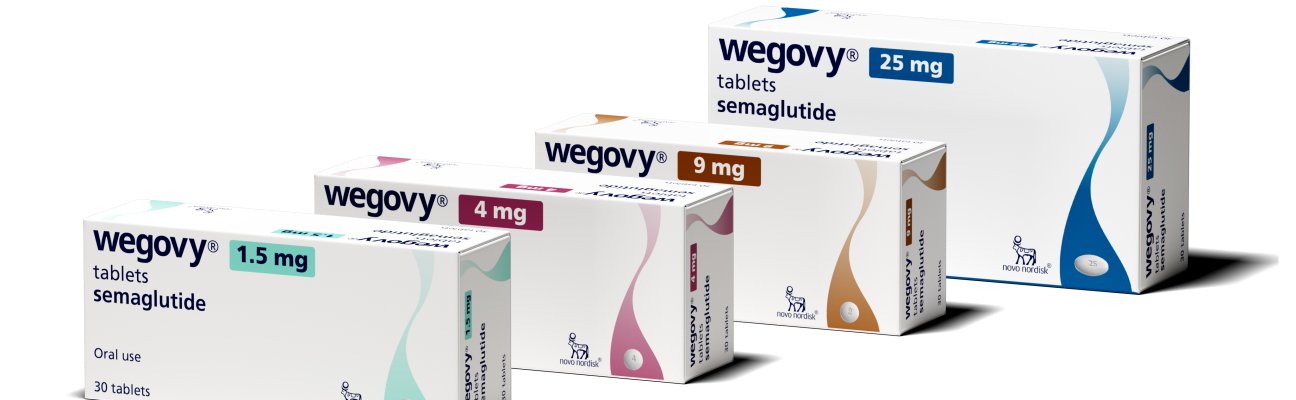
It's been just under a month since the Wegovy pill was released in the UK. Next month, the Eli Lilly pill is set to hit the private marketplace, moving the world of weight loss in the UK from injections to pills and easing the weight loss process altogether.
We all know that these medications can cause side effects, but, on the more serious side, what are the signs that you may need to stop taking them altogether?
At the Bodyline Clinic, we have worked with patients for over 18 years to help them reach their weight loss goals. We also know that, in some cases, someone may develop a more extreme reaction to the medications that are available, and, with the help of our clinical team, we have been able to suggest a more suitable alternative for them. After all, no two people are the same and what works for one may not suit the other.
Here, we will look at the signs that oral Wegovy may not be the best match for your weight loss journey.
OK, we know we've mentioned these in our side effects of Wegovy article. But let's do a quick rundown of what you will likely experience when you take the Wegovy tablets:
We know that these symptoms are far from fun. However, they are noted in as many as 1 in 10 people who take this medication, and they are more likely when moving up to the next dose, or when starting the pill.
Usually, they are nothing to worry about and should subside on their own. Our team have also written a piece on how diet can help you manage the side effects, which you can find here. But, as always, if they become too severe or extreme, seek medical attention.
Is this oral weight loss medication for everyone? Unfortunately, no.
According to research by Novo Nordisk, extreme issues with this medication were noted in as many as 0.1–1% of people who took it during clinical trials.
These signs tend to present during the first few days to weeks after starting the medication, with incidence becoming rarer the further into a treatment regimen patients get. However, according to Novo Nordisk, if you have any of these signs at any time during the taking of the Wegovy pill, seek immediate medical attention and stop taking the medication.
Tummy pain from gas, constipation or diarrhoea is one thing. However, if you note that you have severe pain in your upper abdomen, this is a warning sign, more so if:
This can be the early signs of acute pancreatitis. This is a very rare side effect, but it requires immediate medical attention and treatment.
Again, having flat-out allergic reactions to oral semaglutide is rare, occurring in less than 1% of cases in the Phase 3 OASIS trials. But it's worth knowing what to look for.
Symptoms typically involve:
If you have these symptoms, get to the nearest emergency department and stop taking the medication.
OK, so we've already spoken about how this medication can cause gastrointestinal upset. Diarrhoea and vomiting can lead to dehydration, which, usually, can be managed with upping your water intake or your electrolyte intake via sports drinks.
However, if you have persistent vomiting and diarrhoea, it can become very dangerous.
This can look like:
If you notice these symptoms after taking this medication, stop taking it and seek medical advice.
We need to clarify here that vision changes are more common in people who are taking Wegovy pills and have diabetes. However, oral semaglutide is not designed to manage diabetes in the same way that Ozempic is. If you want to lose weight and have diabetes, we can help, but we do not offer specific treatments for this condition.
Now that's out of the way, if you are taking this medication and you have diabetes, the semaglutide in it can cause worsening of diabetic eye disease. This is due to blood sugar levels improving quickly, which is one of the core things that Wegovy targets.
So, watch out for the following symptoms:
If you notice these symptoms, contact your doctor immediately. Discontinue taking the medication until you have had an assessment and contact your prescriber.
Unfortunately, when you lose weight rapidly, you can increase the chances of developing gallstones. This is why all weight loss with GLP-1s should be monitored by a clinical team, but we will talk more about that later.
Things to look for include:
If you have any of these symptoms, please go to A&E immediately.
Recent research into GLP-1s by the British Medical Journal (BMJ) has found that an average of 5–10% of people stop taking these medications due to side effects or severe reactions.
This has left many people asking if they have taken one GLP-1 to lose weight and it hasn't worked, will they have the same reaction to another weight loss medication?
In relation to the oral Wegovy, the injection has exactly the same core ingredient, which is semaglutide. So, if you have issues with remembering the dosage instructions, have developed a sore stomach from taking it or have noticed that the results are intermittent, then you may actually be more suited to the weekly injection.
However, like many medications, there is a clinical consensus that some individuals are just naturally less able to tolerate one medication over another. In this instance, switching is reasonable if there are adverse effects that are limiting the treatment. But this must be overseen by a medical team, not just by switching online prescriptions.
If Wegovy (semaglutide) doesn't suit you, then there is some research that suggests another GLP-1 may work, due to the different ingredients and molecular structures. For example, tirzepatide, or Mounjaro, is a dual GIP/GLP-1 agonist, which offers similar weight loss to Wegovy.
Switching from one medication to another to lose weight is less likely to help if you have developed any of the adverse reactions like:
In that instance, you should always have a complete medical assessment to ascertain suitability.
As we covered in our article on the black-market Wegovy pills, it is more likely that someone will experience more severe side effects if the pills are not legitimate or overseen by medical specialists.
Even when you are using legitimate weight loss medication, you are more likely to be successful when you have a clinically trained team helping to manage side effects and assess your health.
From the time you contact the Bodyline Clinic, you will have access to a team of weight loss experts who will assess your health throughout your treatment. We offer personalised treatments for each person's weight loss, and we offer support via face-to-face appointments or online consultations. We have helped over 100,000 people to lose weight across the UK. So, if you want to learn more about how we can help you to hit your weight loss goals, contact our team today.
If you notice that you have severe abdominal pain, dehydration, vision issues, allergic reactions or pain after eating, then you may be having a bad reaction to this medication. In any instance, it is advised that you stop taking the medication and seek same-day medical attention.
It's possible. However, switching from one GLP-1 to another needs to be overseen by a trained clinical team. You should never stop any GLP-1 and switch to another without assessments or medical oversight. The two medications have different active ingredients, so you may be more suited to one than the other.
Medical oversight can help to determine which type of GLP-1 may be more suited for each person. It can also help with the management of side effects and will usually allow you and your medical team to spot issues sooner rather than later, saving time and hopefully getting you to the weight that you want comfortably and safely.
Contact us today
Find out more about how we can treat and support you to improve your health and wellbeing.

No-obligation advice from our CQC-regulated team, in clinic or by video.