


Bone Health, Balance and Falls During Weight Loss
Posted on October 16, 2026 by Sally-Anne Turner
You're considering weight loss treatment after seventy, but there's a worry nagging at you. You've heard that losing weight can weaken your bones. Your friend's mother fell and broke her hip after losing weight quickly. Your GP mentioned something about bone density at your last appointment. These concerns are completely valid, and they deserve serious attention.
The relationship between weight loss, bone health, and fall risk in older adults is complex. Yes, rapid weight loss can affect bone density. Yes, changes in medication and fluid balance can temporarily increase dizziness. But here's what often gets overlooked: carrying excess weight also damages your bones through chronic inflammation, puts enormous stress on your joints, and actually increases your fall risk by affecting your balance and mobility. The key isn't avoiding weight loss – it's managing it properly.
When weight loss is approached correctly, with attention to protein intake, resistance exercise, and careful monitoring, most people over seventy can lose weight safely while protecting their bone health and reducing their overall fall risk. This guide explains exactly how to do that, covering the science of bone density during weight loss, practical strategies for staying steady on your feet, and the warning signs that require immediate attention.
Understanding Bone Health After Seventy
Your bones aren't the static structures they might seem. They're living tissue, constantly breaking down and rebuilding in a process called remodeling. Throughout your life, specialized cells called osteoclasts break down old bone tissue, while other cells called osteoblasts build new bone. In younger people, these processes balance out. After about age fifty for women and sixty for men, bone breakdown starts to outpace bone formation, leading to gradual bone density loss.
This natural age-related bone loss, combined with hormonal changes (particularly the drop in estrogen after menopause for women), means that many people over seventy already have reduced bone density. Some have osteopenia, which is lower than normal bone density but not severe enough to be classified as osteoporosis. Others have full osteoporosis, where bones have become fragile enough that minor falls or even everyday activities can cause fractures.
How Weight Affects Your Bones
The relationship between body weight and bone health isn't straightforward. For years, doctors believed that higher body weight protected against osteoporosis because the mechanical stress of carrying extra weight stimulated bone formation. There's some truth to this – weight-bearing stress does signal bones to stay strong. However, research now shows the picture is more nuanced.
Excess body fat, particularly visceral fat stored around your organs, promotes chronic low-grade inflammation throughout your body. This inflammation actually harms bone health by increasing the activity of osteoclasts (the cells that break down bone) and reducing the activity of osteoblasts (the cells that build new bone). Studies have found that people with obesity often have lower bone quality despite having higher bone density on scans. Their bones may measure as dense, but they're more fragile than they should be.
Additionally, excess weight increases your risk of falling. It affects your balance, reduces your agility, and makes it harder to catch yourself if you do stumble. Many people find that after losing weight, they actually feel more stable on their feet, even if their bone density has decreased slightly. The reduced joint pain and improved mobility often more than compensate for any minor changes in bone strength.
What Happens to Bones During Weight Loss
When you lose weight, particularly if you lose it quickly, your body does lose some bone mass along with fat and muscle tissue. Research suggests that for every 10% of body weight lost, bone mineral density decreases by approximately 1-2%. This happens for several reasons.
First, there's less mechanical stress on your bones when you weigh less. Your skeleton adapts to the load it needs to carry. When that load decreases, your bones receive signals that they can reduce their density without compromising their ability to support your body. Second, during calorie restriction, your body may not have all the nutrients it needs for optimal bone maintenance, particularly if protein and calcium intake are inadequate. Third, some hormonal changes that occur during weight loss can affect bone metabolism.
However – and this is crucial – bone loss during weight loss isn't inevitable or uniform. Studies show that people who lose weight gradually, consume adequate protein and calcium, and engage in resistance exercise lose significantly less bone density than those who lose weight rapidly through severe calorie restriction alone. Some research even suggests that when weight loss is achieved with proper nutrition and exercise, the improvements in inflammation and metabolic health may actually benefit bone quality over time.
Weight Loss Injections and Bone Density: What the Research Shows
The question many people ask is whether GLP-1 medications like Wegovy and Mounjaro specifically affect bone health differently than other weight loss methods. The research is still emerging, but we have some important data to consider.
Clinical trials of semaglutide (Wegovy) have included bone density measurements in some participants. These studies show that bone mineral density does decrease slightly during treatment, roughly in proportion to the amount of weight lost. A study published in 2023 found that people who lost 15% of their body weight on semaglutide experienced approximately 2-3% reduction in hip bone density over 68 weeks. This is slightly higher than what might be expected from the weight loss alone, though still within a range considered manageable.
Importantly, these same studies found no increase in fracture rates among people taking GLP-1 medications compared to placebo groups. This suggests that while bone density may decrease slightly, the bones remain functionally strong enough to support daily activities. The reduction in fall risk from improved mobility, better balance, and decreased joint pain may actually result in fewer fractures overall, despite the small decrease in bone density.
Why GLP-1 Medications Might Affect Bones
Several mechanisms might explain why GLP-1 medications could have modest effects on bone density beyond simple weight loss. These medications significantly reduce appetite, which can make it challenging to consume adequate protein and calcium if you're not paying careful attention to nutrition. They also slow stomach emptying, which might affect the absorption of certain nutrients, including calcium.
Some research suggests that GLP-1 receptors exist on bone cells themselves, and activation of these receptors might directly influence bone metabolism, though the significance of this in humans isn't fully understood yet. Additionally, the hormone changes that occur with significant weight loss – including changes in insulin, leptin, and sex hormones – can all influence bone remodeling.
None of this means GLP-1 medications are unsafe for your bones. It simply means that protecting bone health needs to be an active part of your weight loss strategy, not something you hope will take care of itself. As explained in our comprehensive guide on weight loss injections for over-70s, proper medical supervision includes monitoring for these effects and implementing protective strategies.
Protecting Your Bones During Weight Loss Treatment
The good news is that you have significant control over how weight loss affects your bone health. With the right strategies, you can lose weight while minimizing bone density loss and potentially even improving your overall bone health through better nutrition and exercise.
Calcium and Vitamin D: Your Bone's Essential Nutrients
Calcium is the primary mineral that gives bones their strength, while vitamin D is essential for absorbing calcium from your diet and regulating bone remodeling. Most adults over seventy need 1200mg of calcium daily and 800-1000 IU of vitamin D. Many people fall short of these targets, particularly when appetite is reduced by weight loss medication.
Good calcium sources include dairy products like milk, yogurt, and cheese. A glass of milk provides about 300mg of calcium, while a serving of yogurt offers 200-300mg. If you're lactose intolerant or don't consume dairy, fortified plant milks, canned sardines or salmon with bones, tofu made with calcium sulfate, and leafy greens like kale and collard greens provide calcium. You may need a calcium supplement if you can't meet your needs through food alone.
Vitamin D is harder to obtain from food alone. Fatty fish like salmon and mackerel, egg yolks, and fortified foods provide some vitamin D, but most people over seventy need a supplement to meet their requirements. Your body can make vitamin D from sunlight exposure, but this process becomes less efficient with age, and in the UK, sunlight isn't strong enough to trigger vitamin D production during winter months.
Take calcium supplements in divided doses throughout the day rather than all at once, as your body can only absorb about 500mg of calcium at a time. Calcium carbonate supplements are best taken with food, while calcium citrate can be taken anytime. If you're taking thyroid medication, separate your calcium supplement by at least four hours, as calcium can interfere with thyroid hormone absorption.
Protein: Critical for Bones and Muscles
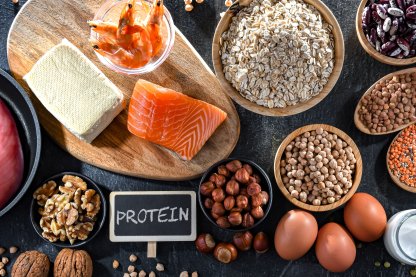
While calcium gets most of the attention for bone health, protein is equally important. About 50% of bone volume and 30% of bone mass is protein. Adequate protein intake supports bone formation and helps maintain the muscle tissue that protects your bones and prevents falls.
During weight loss, your protein needs increase significantly. Aim for at least 1.2-1.6 grams of protein per kilogram of your ideal body weight. For most people over seventy, this means 80-120 grams daily. This might sound like a lot, particularly when your appetite is reduced, but spreading protein throughout the day makes it more achievable.
Include a good protein source at every meal. Breakfast might include eggs, Greek yogurt, or smoked salmon. Lunch could feature chicken, tuna, or cottage cheese. Dinner might include fish, lean beef, or legumes. Snacks can include cheese, nuts, or protein shakes. If you're struggling to eat enough protein through whole foods, protein supplements can help bridge the gap. Whey protein powder is easily absorbed and can be mixed into smoothies, porridge, or even soup.
Resistance Exercise: The Most Powerful Bone Protector
If you could only do one thing to protect your bones during weight loss, resistance exercise would be it. Weight-bearing and resistance exercises are the most effective way to maintain and even build bone density, regardless of your age. When you challenge your muscles, they pull on your bones, creating mechanical stress that signals your body to maintain or increase bone strength.
You don't need heavy weights or gym equipment to benefit from resistance training. Bodyweight exercises like squats, lunges, wall push-ups, and step-ups all provide bone-strengthening benefits. Resistance bands are inexpensive, portable, and can provide progressive resistance as you get stronger. Light dumbbells, starting with just 1-2 kg weights, can be used for exercises targeting your arms, shoulders, and upper back.
Aim for resistance training at least two to three times weekly, working all major muscle groups. A simple routine might include chair squats, wall push-ups, standing rows with a resistance band, bicep curls with light weights, and calf raises while holding onto a counter for balance. Start with one set of 8-12 repetitions for each exercise, and gradually increase to two or three sets as you get stronger.
Walking and other weight-bearing cardiovascular activities also benefit bone health, particularly in your legs and hips. Try to walk for at least 30 minutes most days of the week. The impact of your feet striking the ground provides beneficial stress to your leg and hip bones. Swimming and cycling are excellent for cardiovascular health but don't provide the same bone-strengthening benefits because they're not weight-bearing activities.
Medications That Protect Bone Health
If you already have osteoporosis or significant osteopenia, your doctor may recommend medication specifically to protect bone density during weight loss. Several types of bone-protecting medications are available, and the choice depends on your specific situation.
Bisphosphonates like alendronate (Fosamax) or risedronate (Actonel) are commonly prescribed. These medications slow down the cells that break down bone, allowing bone-building cells to catch up and maintain or increase bone density. They're taken weekly or monthly and must be taken on an empty stomach with specific instructions to prevent digestive side effects.
Denosumab (Prolia) is an injection given every six months that works similarly to bisphosphonates but through a different mechanism. It's particularly useful for people who can't tolerate oral bisphosphonates or have kidney problems that make bisphosphonates unsuitable.
Some people benefit from hormone replacement therapy, particularly women who are within ten years of menopause. Estrogen has protective effects on bone density, and HRT can help maintain bone strength while also addressing other menopausal symptoms. Our HRT clinics can assess whether this might be appropriate for you.
Understanding and Preventing Falls
Falls are the leading cause of injury-related deaths in people over seventy, and the fear of falling can significantly impact quality of life and independence. Hip fractures, in particular, can be life-changing, with many people never regaining their previous level of independence. Understanding your fall risk factors and taking steps to reduce them is just as important as protecting bone density.
Why Fall Risk Increases During Weight Loss Treatment
Several factors related to weight loss treatment can temporarily increase fall risk, particularly in the first few months. Understanding these helps you take appropriate precautions during this vulnerable period.
Medication adjustments can cause dizziness and lightheadedness. If you're taking blood pressure medications, they may need reducing as you lose weight and your blood pressure improves. During this adjustment period, you might experience orthostatic hypotension – a drop in blood pressure when you stand up that causes dizziness or lightheadedness. Similarly, if you have diabetes and take insulin or certain diabetes tablets, your blood sugar might drop too low during dose adjustments, causing dizziness, confusion, or weakness.
Dehydration is more common when taking GLP-1 medications. Your appetite decreases, which often means you're drinking less. If you experience side effects like nausea, vomiting, or diarrhea, you can become dehydrated quickly. Dehydration affects your blood pressure, reduces your mental clarity, and can make you unsteady on your feet.
Changes in your body's center of gravity occur as you lose weight. Your brain and muscles need time to adjust to your changing body shape and weight distribution. During this adjustment period, you might misjudge distances, overestimate your agility, or feel less stable than usual.
Muscle weakness can develop if you're not consuming adequate protein or doing resistance exercise. Even a small loss of leg strength can significantly affect your ability to catch yourself if you stumble or to get up from a chair safely.
Assessing Your Personal Fall Risk
Several simple tests can help you and your healthcare team assess your fall risk. The "Timed Up and Go" test involves timing how long it takes you to stand up from a chair, walk three meters, turn around, walk back, and sit down. If it takes longer than 12 seconds, your fall risk is considered elevated. The "30-Second Chair Stand Test" measures how many times you can stand up from and sit down in a chair in 30 seconds without using your arms. Fewer than 8 repetitions suggests increased fall risk.
You can also assess your balance at home. Try standing on one foot for 10 seconds without holding onto anything. If you can't manage this, your balance needs improvement. Try standing with your feet together and your eyes closed for 10 seconds – this tests your proprioception, your body's sense of where it is in space.
Beyond physical tests, consider your fall history. Have you fallen in the past year? Do you feel unsteady or need to hold onto furniture when walking around your home? Do you worry about falling? Have you avoided activities because you're afraid of falling? These psychological factors are important predictors of future falls.
Practical Strategies to Prevent Falls
Most falls happen at home during routine activities, which means small changes to your environment and habits can significantly reduce your risk.
Start with a home safety assessment. Remove loose rugs or secure them with non-slip backing. Clear clutter from walkways and stairs. Ensure adequate lighting in all rooms, hallways, and staircases. Install nightlights in your bedroom and bathroom so you can see if you need to get up at night. Make sure electrical cords are secured along walls, not stretched across walking paths.
In your bathroom, install grab bars near the toilet and in the shower or bath. Use a non-slip bath mat. Consider a shower chair if you feel unsteady standing in the shower. Keep items you use regularly within easy reach so you don't need to stretch or climb to get them.
On stairs, ensure handrails are secure and extend the full length of the staircase. Mark the edge of the top and bottom steps with contrasting colored tape to make them more visible. Never carry items that block your view of the stairs or prevent you from using the handrail.
Wear supportive shoes with non-slip soles, even indoors. Slippers might feel comfortable, but they often don't provide adequate support and can easily slip off. Avoid walking in socks or stockings on smooth floors. If you have trouble seeing, ensure your glasses prescription is current and wear your glasses whenever you're moving around.
Movement Strategies for Staying Steady
How you move can be just as important as where you move. When getting up from lying down, do it in stages. Roll onto your side, push yourself up to sitting, wait a moment for any dizziness to pass, then stand up slowly. When standing up from a chair, scoot forward to the edge of the seat, place your feet flat on the floor beneath you, lean forward slightly, and push up using your leg muscles and the chair arms if needed.
Take your time when moving around. Rushing increases fall risk significantly. If the phone rings, let it go to voicemail rather than hurrying to answer it. Plan ahead so you're not rushing to get ready for appointments. Build extra time into your daily routine.
Be extra careful during the first hour after taking medications that might cause dizziness. Sit down if you feel lightheaded rather than trying to push through. Keep a glass of water by your bed so you can hydrate before getting up in the morning, which can help prevent orthostatic hypotension.
Consider using mobility aids if you feel unsteady. There's no shame in using a walking stick, cane, or wheeled walker if it keeps you safe and allows you to stay active. Many people resist using aids because they see them as signs of weakness or aging, but they're actually tools that enable independence and confidence.
Balance and Strength Exercises
Specific exercises can dramatically improve your balance, strength, and stability, reducing fall risk even as you lose weight. The key is starting at an appropriate level and progressing gradually.
Balance Training Exercises
Balance exercises challenge your body's ability to maintain stability in various positions. Start with exercises you can do safely, holding onto a sturdy counter or chair back for support if needed. As your balance improves, try doing the exercises with just fingertip support, then without holding on at all.
Single-leg stands are fundamental balance exercises. Stand near a counter for support. Lift one foot slightly off the ground and hold for 10 seconds. Repeat 5 times on each leg. As you improve, try holding for 30 seconds or longer. Progress to doing this with your eyes closed, which significantly increases the challenge.
Heel-to-toe walking improves dynamic balance. Walk in a straight line, placing the heel of one foot directly in front of the toes of the other foot with each step, as if walking a tightrope. Do this for 20 steps, using a wall for support if needed. This exercise challenges your balance while moving, which is when most falls occur.
Weight shifts help you practice controlling your center of gravity. Stand with your feet hip-width apart. Shift your weight to your right foot, lifting your left foot slightly off the ground. Hold for 10 seconds. Shift your weight to your left foot, lifting your right foot slightly. Repeat 5 times on each side. Progress to shifting your weight forward and back, and to standing on one foot while moving the other foot in different directions.
Functional Strength Exercises
These exercises build strength in the specific movements you need for daily activities, directly reducing fall risk and improving independence.
Chair squats strengthen your legs for standing up from chairs, getting on and off the toilet, and climbing stairs. Sit in a sturdy chair. Place your feet flat on the floor, hip-width apart. Lean forward slightly and stand up, using your leg muscles. Lower yourself back down slowly and with control. If this is too difficult, use your arms to push up from the chair arms. As you get stronger, try standing up without using your arms. Aim for 10 repetitions, rest, then do another set.
Step-ups build leg strength and improve your ability to navigate stairs and curbs. Use a sturdy step or stair with a handrail. Step up with your right foot, bringing your left foot up to meet it. Step down with your right foot, then your left. Repeat 10 times, then switch to leading with your left foot for 10 repetitions. As you get stronger, progress to higher steps or hold light weights.
Calf raises strengthen the muscles that help you maintain balance and prevent falls forward. Stand holding onto a counter or sturdy chair. Rise up onto your toes, lifting your heels as high as comfortable. Hold for a moment, then lower slowly. Repeat 15-20 times. This exercise also helps prevent foot and ankle problems that can affect balance.
Wall push-ups strengthen your upper body, which helps you catch yourself if you start to fall or push yourself up if you do fall. Stand arm's length from a wall. Place your hands on the wall at shoulder height and width. Bend your elbows and lean toward the wall, then push back to starting position. Keep your body straight throughout. Repeat 10-15 times. As you get stronger, stand further from the wall to increase the difficulty.
Tai Chi and Yoga for Balance
Tai Chi is particularly effective for improving balance and preventing falls in older adults. This gentle Chinese martial art involves slow, flowing movements that challenge balance while building strength and flexibility. Multiple studies have shown that regular Tai Chi practice can reduce fall risk by up to 50% in older adults.
Many community centers, gyms, and specialized studios offer Tai Chi classes for seniors. Look for classes specifically designed for older adults or beginners. The slow pace and low impact make Tai Chi suitable for most people, even those with limited mobility or chronic health conditions. Our blog post on yoga explores similar practices that can benefit balance and strength.
Yoga offers similar benefits, with various styles suitable for different fitness levels. Chair yoga allows you to do modified poses while seated, making it accessible even if you have significant mobility limitations. Gentle or restorative yoga classes focus on flexibility, balance, and breathing rather than strength or intense stretching.
Monitoring Your Bone Health During Treatment
Regular monitoring helps ensure your bone health strategy is working and allows for adjustments if needed. Understanding what tests are available and when you might need them helps you work effectively with your healthcare team.
DEXA Scans: The Gold Standard
Dual-energy X-ray absorptiometry (DEXA) scans are the most accurate way to measure bone mineral density. The scan is quick, painless, and uses very low levels of radiation – less than you'd receive during a chest X-ray. You lie on a table while a scanning arm passes over your body, typically measuring bone density in your hip and spine, the sites most vulnerable to osteoporotic fractures.
Results are reported as T-scores, which compare your bone density to that of a healthy 30-year-old adult. A T-score of -1.0 or above is considered normal. Scores between -1.0 and -2.5 indicate osteopenia (low bone density). Scores of -2.5 or lower indicate osteoporosis. Your doctor uses these scores along with other risk factors to assess your fracture risk and determine whether you need bone-protecting medication.
If you're over seventy and starting weight loss treatment, you should have a baseline DEXA scan if you haven't had one recently. This establishes your starting bone density so changes can be tracked over time. Follow-up scans are typically done every one to two years during active weight loss, then less frequently once your weight stabilizes.
Blood Tests for Bone Health
Several blood tests can provide information about your bone health and help identify factors that might be affecting bone density. Vitamin D levels should be checked, as deficiency is common in older adults and significantly affects bone health. Optimal levels for bone health are generally considered to be 75-100 nmol/L (30-40 ng/mL).
Calcium levels in your blood are usually tightly regulated, so blood calcium tests don't directly indicate whether you're getting enough calcium for bone health. However, abnormal calcium levels can indicate parathyroid problems or other conditions affecting bone metabolism. Thyroid function tests are important because both overactive and underactive thyroid can affect bone density.
Some specialists may order bone turnover markers – blood or urine tests that measure the breakdown and formation of bone tissue. These can provide information about how actively your bones are remodeling and whether bone-protecting medications are working effectively.
Clinical Assessments
Beyond scans and blood tests, regular clinical assessments help monitor your overall bone and fall risk. Your height should be measured at each visit. A loss of more than 2-3 cm in height can indicate compression fractures in your spine, which may occur without causing obvious symptoms but indicate significant bone weakness.
Functional assessments like the chair stand test, walking speed, and grip strength provide information about your muscle function and fall risk. These simple tests can be done at each appointment and help your healthcare team identify any decline in function that might increase your vulnerability to falls and fractures.
When to Seek Immediate Medical Attention
While most people navigate weight loss treatment without serious complications, certain symptoms require prompt medical attention. Knowing what to watch for helps ensure problems are caught and addressed quickly.
Seek immediate medical attention if you experience sudden, severe bone pain, particularly in your back, hip, or wrist. This could indicate a fracture, even if you haven't had an obvious fall or injury. Compression fractures in the spine can occur from simple activities like bending or lifting if bones are significantly weakened.
Severe dizziness or lightheadedness that doesn't improve when you sit or lie down, particularly if accompanied by chest pain, shortness of breath, or confusion, requires urgent evaluation. This could indicate a cardiovascular problem or severe dehydration requiring immediate treatment.
If you fall and can't get up, or if you fall and experience significant pain, swelling, or inability to bear weight on a limb, you need emergency assessment. Even if you can get up after a fall, if you hit your head or experience ongoing pain, dizziness, or confusion afterward, you should be evaluated promptly.
Persistent nausea or vomiting that prevents you from keeping down food or fluids for more than 24 hours requires medical attention. This can quickly lead to dangerous dehydration and electrolyte imbalances, particularly if you're taking other medications that affect fluid balance.
Long-Term Bone Health After Weight Loss
Once you've achieved your weight loss goals, maintaining bone health remains important. The good news is that bone density often stabilizes or even improves slightly once weight loss stops and you're in maintenance phase, particularly if you continue with good nutrition and exercise habits.
Continue with adequate calcium, vitamin D, and protein intake even after you've finished losing weight. These nutrients remain essential for bone maintenance throughout life. Keep up with resistance exercise and balance training – these habits become even more important as you age further.
If you experienced significant bone density loss during weight loss, your doctor may recommend continuing or starting bone-protecting medication even after your weight stabilizes. Follow-up DEXA scans every two to three years help monitor your bone density trajectory and inform decisions about ongoing treatment.
Remember that the metabolic improvements from weight loss – better blood sugar control, reduced inflammation, improved cardiovascular health – all benefit your bones over the long term. The temporary bone density decrease during active weight loss is often offset by these lasting health improvements.
Take the Next Step Safely
Protecting your bone health and preventing falls during weight loss after seventy isn't complicated, but it does require attention and planning. With proper medical supervision, adequate nutrition, appropriate exercise, and regular monitoring, you can lose weight safely while maintaining strong bones and steady balance.
At Bodyline, our specialized age 70+ service provides comprehensive support specifically designed for older adults. Our experienced medical team understands the unique considerations of treating patients over seventy, including bone health monitoring, fall risk assessment, and coordination with your other healthcare providers.
We don't just prescribe medication and send you on your way. Our approach includes detailed nutritional guidance to ensure adequate protein, calcium, and vitamin D intake. We provide exercise recommendations tailored to your current fitness level and mobility. We monitor your medications carefully to minimize dizziness and other side effects that could increase fall risk. And we track your bone health throughout treatment, adjusting your care plan as needed.
Book a free consultation today to discover how we can help you achieve your weight loss goals while protecting your bone health and reducing your fall risk. Our team will conduct a comprehensive assessment of your medical history, current health status, and individual risk factors to develop a personalized treatment plan that keeps you safe and steady throughout your weight loss journey.
You can visit one of our weight loss clinics throughout the North West, or access our services through convenient online consultations from anywhere in the UK. Your age doesn't have to be a barrier to better health – with the right support and expertise, you can safely improve your health, reduce pain, and maintain your independence well into your seventies and beyond.