

Eating Well on a Small Appetite After 70
Posted on October 9, 2026 by Sally-Anne Turner
You’re three weeks into weight loss treatment and something unexpected has happened. You’re simply not hungry anymore. That morning cup of tea and single piece of toast keeps you satisfied until lunchtime, and by dinner you’re struggling to finish even a small portion. Your appetite has shrunk dramatically – which is one of the effects of the medication – but now you’re facing a new challenge: how do you get adequate nutrition when you’re eating so little?
For people over seventy taking weight loss injections, reduced appetite can support weight loss but may also create challenges around maintaining proper nutrition. You need an appropriate calorie intake to support weight loss, but you still need adequate protein to protect muscle mass, sufficient vitamins and minerals to support health, and enough fluid to prevent dehydration. The challenge becomes even more complex when you’re managing other health conditions that have their own nutritional requirements.
This guide shows you how to eat well when your appetite has diminished. You’ll learn which nutrients matter most, how to pack maximum nutrition into smaller portions, and practical strategies for meal planning when cooking for one or two people. We’ll cover hydration challenges specific to older adults on weight loss medication, simple meal ideas that don’t require elaborate cooking, and how to recognise when your eating has become too restricted.
Understanding Your Changed Appetite
GLP-1 medications like Wegovy and Mounjaro act on hormonal pathways that regulate hunger and fullness. Wegovy contains semaglutide, which acts on GLP-1 receptors, while Mounjaro contains tirzepatide, which acts on both GLP-1 and GIP receptors. These medicines can delay stomach emptying and help you feel satisfied with less food. For many people, this feels like a welcome relief from constant hunger and food preoccupation. But the flip side is that eating becomes less appealing, and you might need to eat more deliberately rather than waiting until hunger prompts you.
Your appetite changes aren’t just about quantity – some people find their food preferences shift as well. Foods you once enjoyed might suddenly seem unappealing or too rich. Strong smells can trigger nausea. You might find yourself drawn to blander, simpler foods or preferring cold items over hot meals. These changes can occur during treatment, but they can make meal planning more challenging.
The key is recognising that eating on this medication may require a different approach. You’re not always eating because you’re hungry in the traditional sense. You’re eating because your body needs energy and nutrients to function properly. This shift towards more structured nutrition planning can take some adjustment, but establishing new routines may help.
Protein: Your Non-Negotiable Priority
Protein is particularly important during weight loss, especially after seventy. Your body needs protein to maintain muscle tissue, support immune function and repair tissues. When you’re eating less overall, ensuring adequate protein intake becomes increasingly important.
How Much Protein Do You Actually Need?
Protein requirements vary depending on your body weight, nutritional status, activity levels and medical history.
Some expert recommendations suggest that older adults may benefit from higher protein intakes than younger adults, particularly during weight loss. However, there isn’t one protein target that is appropriate for everyone over seventy.
Your clinician or dietitian can help determine an appropriate daily intake, particularly if you have kidney disease or other conditions that affect your nutritional requirements.
Rather than trying to consume all your protein in one meal, spreading protein-rich foods across the day may make it easier to meet your needs.
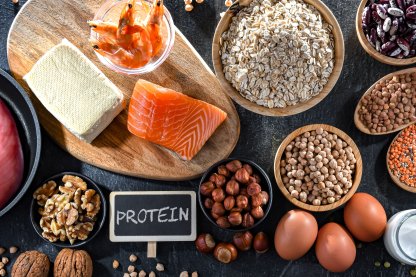
To put this in practical terms, useful protein sources include eggs, chicken, fish, Greek yoghurt, milk, beans and lentils. When you’re eating small portions, choosing protein-rich foods regularly can help support your nutritional intake.
Best Protein Sources for Small Appetites
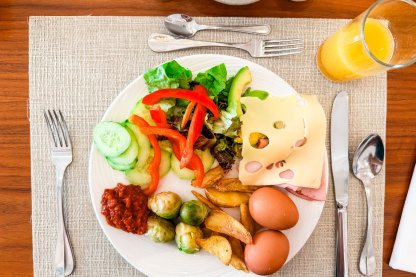
Some protein sources are easier to consume when you’re not very hungry. Eggs are a convenient option – they’re soft, versatile and provide protein along with other nutrients. Two scrambled eggs with a slice of cheese can make a manageable meal when you’re feeling full quickly.
Greek yoghurt is another option. It’s cold, which some people find more appealing when dealing with nausea, and it’s smooth and easy to eat. Protein content varies between brands, so check the nutritional information. You can add berries or nuts for additional nutrients.
Fish, particularly white fish like cod or haddock, can be a useful source of protein. Tinned fish is convenient and doesn’t require cooking – salmon or mackerel on crackers makes a quick, protein-rich snack.
Cottage cheese is another protein-rich option. Mix it with chopped tomatoes and cucumber for a light meal, or blend it smooth if you find the texture off-putting.
When Food Feels Impossible: Liquid Protein Options
There may be days when solid food doesn’t appeal. This is where liquid protein options can be helpful.
Protein shakes can provide additional protein when you’re struggling to meet your needs through ordinary meals. However, they shouldn’t routinely replace a balanced diet.
Whey protein powder mixed with milk can be a convenient option. If plain shakes seem boring, blend them with berries, banana or a spoonful of peanut butter.
Ready-made protein drinks are also convenient when preparing food feels overwhelming. Check the nutritional information, as protein, calorie and sugar content vary considerably between products.
Milk itself provides protein and calcium. Fortified soya milk can be an alternative for people who avoid dairy products.
Soup can also be enriched with protein-containing ingredients such as lentils, beans, milk or yoghurt.
If you’re regularly unable to eat adequate meals, speak to your clinician or dietitian. Some people may benefit from a formal nutritional assessment or prescribed oral nutritional supplements rather than relying on ordinary protein shakes.
Hydration: More Critical Than You Think
Dehydration is an important concern for older adults taking weight loss injections, particularly when nausea, vomiting or diarrhoea occurs. Your fluid requirements don’t necessarily decrease because you’re eating less, but you may find yourself drinking less frequently.
Why Hydration Becomes More Difficult
Several factors can increase dehydration risk. Weight loss medication can cause nausea or digestive upset, making you less inclined to drink. Older adults may also experience a reduced sense of thirst.
If you’re taking diuretics for blood pressure or heart conditions, your fluid balance may need particular attention.
When you’re eating less, you may also obtain less fluid from food. Fruits, vegetables and other foods contribute to overall fluid intake.
Possible signs of dehydration include dizziness, darker urine, dry mouth and tiredness. More serious dehydration can affect kidney function and increase the risk of confusion and falls.
Practical Hydration Strategies
The NHS generally recommends drinking enough fluid to keep urine a pale, clear yellow, with six to eight glasses or cups of fluid daily used as a general guide.
However, individual requirements vary. People with heart failure, kidney disease or a prescribed fluid restriction should follow advice from their healthcare professional rather than automatically increasing their fluid intake.
Keep a drink within reach throughout the day. Some people find reminders helpful if they regularly forget to drink.
If plain water seems unappealing, alternatives include herbal teas, milk or sugar-free squash.
Eat water-rich foods when you can. Cucumber, tomatoes, melon, strawberries and oranges all contribute fluid. Soup can also help increase fluid intake.
Monitor for signs of dehydration, particularly if you’re experiencing vomiting or diarrhoea. Seek medical advice promptly if you’re struggling to keep fluids down or develop symptoms of dehydration.
What About Tea and Coffee?
You don’t need to give up your morning cup of tea or coffee. Tea and coffee contribute towards your daily fluid intake.
However, excessive caffeine can affect sleep and may worsen digestive symptoms in some people.
Aim for a variety of suitable drinks throughout the day, taking account of any medical advice about caffeine or fluid intake.
Simple Meals That Pack Nutritional Power
When you’re eating small amounts, choosing nutrient-rich meals can help you meet your nutritional requirements.
The good news is that nutritious meals don’t need to be complicated. Simple ingredients can provide protein, vitamins, minerals and energy.
Breakfast Ideas for Small Appetites
A two-egg omelette with cheese and spinach provides protein and a range of nutrients in a relatively small portion.
Greek yoghurt with berries and ground almonds provides protein, fibre and healthy fats. This meal requires no cooking and can be prepared quickly.
Porridge made with milk instead of water increases protein content. Add sliced banana or walnuts for additional nutrients.
If you can’t face a traditional breakfast, there’s no rule saying you must eat breakfast foods in the morning. Some people find a small sandwich or bowl of soup more appealing.
Lunch and Dinner Solutions
A small portion of grilled fish or chicken with mashed potato and vegetables provides a combination of protein, carbohydrates and other nutrients.
Soup can be particularly useful for small appetites. Make a batch of vegetable and lentil soup or chicken soup, then portion it into containers for easy reheating.
Jacket potato with baked beans and cheese is simple and nutritious. The beans provide protein and fibre, the cheese adds protein and calcium, and the potato provides energy.
Pasta with a tomato-based sauce and added protein, such as tinned tuna, cooked chicken or prawns, is another convenient option. Wholemeal pasta can provide additional fibre.
Ready meals can be useful when cooking feels overwhelming. Check the nutritional information and choose options that provide a suitable balance of protein, energy and other nutrients.
Snacks That Matter
You might not need snacks if you’re eating adequate meals, but if you’re struggling to eat much at mealtimes, smaller snacks can help you meet your nutritional needs.
A small handful of nuts provides protein, healthy fats and minerals.
Cheese and crackers are easy to prepare and provide protein and calcium.
A boiled egg is convenient and provides approximately six grams of protein.
Protein bars can also be useful, although their nutritional content varies. Check the ingredients and nutrition label rather than assuming all protein bars are nutritionally balanced.
Meal Planning and Preparation Strategies
When you’re cooking for one or two people and eating small portions, meal planning becomes both more important and more challenging.
Batch Cooking for Small Households
Batch cooking can help when appetite is limited. Preparing meals in advance means you have options available without needing to cook when you’re tired or not feeling well.
Make a large pot of soup, bolognese sauce, chilli or curry. Portion these into individual servings and freeze them appropriately.
Cook chicken or other protein sources in advance and use them in different meals, following safe storage and reheating guidance.
Prepare vegetables in advance where practical, keeping them refrigerated and using them within recommended food-safety times.
Shopping for One on a Small Appetite
Shopping may become different when you’re eating less. You might not need the same quantities, and fresh food can go to waste before you eat it.
Buy smaller quantities where possible and choose foods that can be stored or frozen.
Frozen vegetables are nutritious and convenient. Keep your freezer stocked with suitable vegetables, fish and other meal ingredients.
Tinned foods are also useful. Tinned fish, beans and tomatoes are convenient options that can contribute to a balanced diet.
Consider a meal delivery service if shopping and cooking have become burdensome. Choose options that meet your nutritional needs rather than focusing only on low-calorie meals.
Making Peace with Smaller Portions
If you’ve spent decades cooking standard-sized meals, it can feel strange to serve yourself smaller portions.
Use smaller plates and bowls if this helps you manage portion sizes, but remember that eating enough to meet your nutritional needs remains essential.
If you’re cooking for two and your partner isn’t taking weight loss medication, you may find that different portion sizes work better.
Save leftovers rather than forcing yourself to finish a meal when you’re comfortably full.
However, if you’re consistently unable to finish even small meals or are concerned about how little you’re eating, speak to your clinical team.
Vitamins, Minerals, and Supplements
When you’re eating less food overall, you may also be consuming fewer vitamins and minerals.
A varied, balanced diet should provide many essential nutrients, but some older adults may need additional nutritional assessment or supplementation.
Key Nutrients to Monitor
Calcium and vitamin D are important for bone health, particularly during weight loss.
The NHS recommends approximately 700 mg of calcium daily for adults aged 19 and over. Good sources include dairy products, fortified plant-based alternatives, tinned fish with edible bones and certain green vegetables.
For vitamin D, UK guidance generally recommends a daily supplement containing 10 micrograms (400 IU) during autumn and winter. People aged 65 and over are not automatically advised to take higher doses solely because of their age, although some individuals may need supplementation throughout the year or a different dose based on their circumstances.
B vitamins, particularly B12, support normal nervous system function and red blood cell formation. Some older adults may have difficulty absorbing vitamin B12.
If you’re experiencing unusual fatigue, pins and needles or other symptoms, your GP can assess whether testing is appropriate. Vitamin B12 spray is one available supplement option, but supplementation should be guided by individual need, and suspected deficiency may require specific treatment.
Iron is important for red blood cell production. Inadequate intake or iron deficiency can contribute to fatigue, but iron deficiency in older adults can have other causes that require investigation.
If you’re experiencing persistent fatigue, breathlessness or dizziness, speak to your GP rather than starting iron supplements without advice.
Omega-3 fatty acids are found in oily fish such as salmon, sardines and mackerel. The NHS recommends eating two portions of fish a week, including one portion of oily fish.
Fish oil supplements aren’t automatically necessary for everyone who eats less fish. Discuss supplementation with a healthcare professional if you have concerns about your dietary intake or take medications that may interact.
Should You Take a Multivitamin?
Some people may benefit from a multivitamin if their dietary intake is limited, but routine supplementation isn’t necessary for everyone.
A healthcare professional or dietitian can help determine whether you need additional vitamins or minerals.
Avoid taking high-dose supplements without medical advice, as excessive amounts of certain vitamins and minerals can be harmful or interact with medication.
Supplements are intended to complement a balanced diet rather than replace meals.
Recognising When Eating Has Become Too Restricted
While reduced appetite can support weight loss, there’s a point where eating too little becomes a concern.
Understanding the warning signs of inadequate nutrition helps you recognise when you need to adjust your approach or seek medical advice.
Warning Signs You’re Not Eating Enough
Losing weight very quickly can be concerning, particularly for older adults who may be at greater risk of losing muscle mass or becoming malnourished.
There isn’t one universally appropriate weekly weight loss target for everyone over seventy. Your clinician should consider your overall health, frailty, nutritional status and treatment goals when assessing your progress.
Persistent fatigue that doesn’t improve should also be discussed with your healthcare professional. Although tiredness can occur during treatment, it shouldn’t automatically be dismissed as a normal consequence of eating less.
Dizziness, particularly when standing, may indicate dehydration, low blood pressure, low blood glucose or another medical problem.
Hair loss can sometimes occur during substantial weight loss or inadequate nutritional intake. If you notice significant hair thinning, discuss this with your medical team.
Feeling unusually cold may have several causes, including inadequate nutritional intake or other medical conditions, and should be investigated if persistent.
When to Reduce Your Medication Dose
Not everyone responds to weight loss medication in the same way.
If you’re experiencing severe appetite suppression that makes it difficult to eat adequate amounts, contact your prescribing clinician.
Depending on the medication, current dose, severity of symptoms and relevant UK prescribing information, your clinician may recommend delaying dose escalation, reviewing your dose or considering alternative treatment.
Don’t reduce, increase or stop your medication without discussing it with your prescriber.
The goal of weight loss treatment isn’t to eliminate appetite entirely. You should still be able to meet your nutritional needs.
If you’re going entire days eating very little, experiencing persistent nausea or struggling to drink enough, seek clinical advice promptly.
Working with Your Medical Team
Regular monitoring is particularly important when you’re over seventy and taking weight loss medication.
Your medical team at Bodyline can help you navigate nutritional challenges and review whether treatment remains suitable.
Be honest about what you’re eating. If you’re struggling to consume enough protein or finding it difficult to eat at all, tell your clinician.
They can provide practical strategies, review your medication or consider whether a dietitian referral is appropriate.
Keeping a food diary for several days before your appointment may help identify nutritional gaps.
Report concerning symptoms promptly. Persistent nausea, repeated vomiting, inability to maintain fluid intake, severe fatigue or dizziness should not be ignored.
Our specialised support service for adults aged 70+ provides additional support for older adults considering or using weight loss treatment.
Moving Forward with Confidence
Eating well on a small appetite requires adjustment, planning and sometimes a change in your relationship with food.
You’re still eating to fuel your body and maintain health, even when hunger signals become less noticeable. Food can remain enjoyable, but you may need to be more intentional about what and when you eat.
Focus on including protein-rich foods regularly, maintaining appropriate hydration and choosing nutrient-dense meals that provide essential vitamins and minerals.
Keep meals simple and don’t feel guilty about using convenience options when they help you maintain adequate nutrition.
Batch cooking, strategic shopping and having suitable alternatives available can make eating well easier on difficult days.
Remember that appetite changes vary between individuals. If you stop taking weight loss injections, appetite and weight regain may increase, although the extent varies.
While you’re taking weight loss injections, working with your changed appetite and seeking appropriate nutritional support can help you maintain your health during treatment.
Book a consultation today to discover how we can support you through weight loss treatment with personalised nutritional guidance designed specifically for older adults.
Our experienced team understands the challenges of maintaining nutrition when appetite is reduced and can help you develop practical strategies suited to your circumstances.
You can visit one of our weight loss clinics throughout the North West or access our services through online consultations from anywhere in the UK.
Losing weight after seventy shouldn’t mean compromising your nutrition or health. With appropriate assessment, professional support and an individualised approach, weight loss treatment can help support your health goals while protecting strength, mobility and overall wellbeing.