


Protecting Muscle and Strength on Weight Loss Injections
Posted on October 9, 2026 by Sally-Anne Turner
You’ve started weight loss injections and the scales are moving in the right direction. But now you’re noticing something concerning – your clothes feel looser, but you also feel weaker. Maybe climbing stairs has become harder, or you’re struggling to carry shopping bags that never used to be a problem. Perhaps you’ve heard stories about people losing significant muscle along with fat, and you’re worried the same thing is happening to you. These concerns are valid, particularly if you’re over seventy, when muscle loss can have serious consequences for your independence and quality of life.
Any weight loss programme carries the risk of losing muscle alongside fat. However, adequate protein intake, regular strength training and appropriate lifestyle adjustments can help reduce muscle loss. Maintaining muscle mass supports metabolic health, balance, mobility and independence.
This guide explains how to protect your muscle and strength while using weight loss injections. We’ll cover why muscle loss happens, how to assess your protein needs, which exercises may help, and practical strategies for implementing these changes when your appetite is suppressed. Whether you’re just starting treatment or you’ve been using weight loss injections for months, these approaches can help support healthier weight loss.
Why Muscle Loss Happens During Weight Loss
When you create a calorie deficit – eating fewer calories than your body burns – your body uses stored energy. However, weight loss doesn’t involve fat alone. Changes in body composition can include reductions in fat mass and lean tissue.
Research shows that some lean mass is commonly lost during weight loss. The proportion varies considerably depending on factors such as age, nutritional intake, physical activity, the amount of weight lost and the method used to assess body composition.
Studies of GLP-1-based weight loss treatments have also reported reductions in lean mass. However, lean mass isn’t the same as skeletal muscle, and current evidence doesn’t establish that weight loss injections necessarily cause greater muscle loss than other weight loss approaches.
Several factors can contribute to muscle loss during weight loss treatment. When you’re eating less food overall, you may consume less protein. Appetite suppression can also make meeting your nutritional needs more difficult. Reduced physical activity and existing health conditions may contribute further.
The Special Challenge for Older Adults
If you’re over seventy, muscle preservation becomes particularly important. Age-related muscle loss, sometimes associated with sarcopenia, can affect strength and physical function.
Muscle tissue plays an important role in movement, balance and metabolic health. Losing significant muscle mass can contribute to frailty, reduced independence and difficulty recovering from illness or injury.
The good news is that older adults can still benefit from appropriate resistance training and adequate nutrition. These strategies can help preserve muscle function during weight loss.
For more information about weight loss treatment considerations for older adults, see our comprehensive guide on Weight Loss Injections for Over-70s: A Complete Guide.
How Much Protein Do You Actually Need?
Protein is an important nutrient for maintaining muscle mass during weight loss. Your body uses amino acids from dietary protein to repair and maintain tissues.
Older adults may benefit from higher protein intakes in certain circumstances, particularly during weight loss or recovery from illness. However, there isn’t one protein recommendation suitable for everyone over seventy.
Your requirements depend on your body weight, nutritional status, activity levels and existing health conditions. People with kidney disease, for example, may need individualised dietary advice.
Calculating Your Personal Protein Target
Rather than relying on a fixed calculation using your ideal body weight, speak to your clinician or a registered dietitian about an appropriate daily protein target.
Some expert recommendations suggest higher protein intakes for healthy older adults, but these should be interpreted alongside your individual medical needs.
Spreading protein-rich foods across your meals may help you meet your requirements, particularly when weight loss injections reduce your appetite.
Prioritise including protein at regular meals, rather than trying to consume most of your daily intake at one sitting.
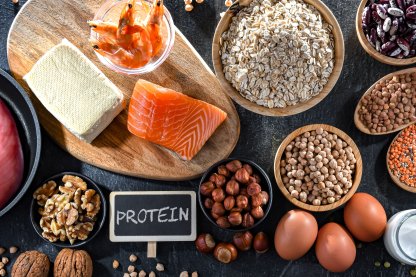
Best Protein Sources During Weight Loss
Not all protein sources provide the same quantities of protein, and some may be easier to eat when your appetite is suppressed.
Lean meats such as chicken, turkey and lean beef are useful sources. Fish, including salmon, tuna and cod, also provides protein, while oily fish contains omega-3 fatty acids.
Eggs are versatile and easy to prepare. Two large eggs provide approximately 12 grams of protein.
Greek yoghurt is another useful option, although protein content varies between products.
Cottage cheese provides protein and calcium and can be combined with fruit or used in savoury dishes. Legumes such as lentils and chickpeas provide protein alongside fibre.
Protein supplements may be useful when food intake is limited. Whey protein powder can be mixed into milk, smoothies or porridge.
However, if you’re regularly struggling to meet your nutritional needs, speak to your clinical team. A dietitian can assess whether ordinary dietary changes or additional nutritional support would be appropriate.
Strength Training: Your Muscle Preservation Insurance Policy
Adequate protein intake is important, but physical activity also plays a role in maintaining muscle mass.
Resistance training can help preserve or improve muscle strength during weight loss by providing a stimulus for muscle maintenance.
Research supports combining resistance exercise with adequate nutrition, although the degree of muscle preservation varies between individuals and studies.
You don’t necessarily need expensive gym equipment. Resistance exercises can include bodyweight movements, resistance bands and light dumbbells.
Getting Started with Strength Training
If you’re new to resistance training or haven’t exercised in years, start gradually.
UK physical activity guidance recommends that older adults undertake activities that improve strength, balance and flexibility on at least two days a week, where possible.
The amount and intensity should reflect your current ability, particularly if you have frailty, mobility limitations or existing medical conditions.
Chair squats can help strengthen the muscles used when standing from a seated position. Begin with a manageable number of repetitions and use a stable chair or additional support where necessary.
Wall push-ups can help strengthen your chest, shoulders and arms without requiring you to get onto the floor.
Resistance bands can also be useful for exercises involving the back, shoulders, arms and legs.
If you’re uncertain which exercises are suitable, a physiotherapist or appropriately qualified exercise professional can help develop a safe programme.
Progressing Your Training Safely
As you become stronger, you may be able to increase the challenge gradually.
This could involve increasing repetitions, adjusting resistance or progressing to more demanding movements.
For older adults, maintaining good technique and exercising within individual capabilities is particularly important.
If you’re unsure about form, consider working with a physiotherapist or qualified exercise professional.
Stop exercising if you experience sharp pain, dizziness, chest pain or other concerning symptoms. Seek medical advice where appropriate.
If you have existing joint problems or mobility limitations, an individualised programme may help you exercise more safely.
The Walking Question: Cardio’s Role in Muscle Preservation
Walking and other cardiovascular activities are beneficial for overall health, weight management and cardiovascular fitness.
However, walking alone may not provide sufficient stimulus to maintain muscle strength during weight loss, particularly in people who are already experiencing age-related muscle loss.
Walking can help support mobility, balance and general physical function. Resistance training provides additional benefits for muscle strength.
UK guidance encourages older adults to remain physically active and gradually work towards recommended activity levels where appropriate.
If 30 minutes of walking feels difficult, shorter periods of activity can still be beneficial.
The key is finding an appropriate balance between cardiovascular activity, strength exercises and recovery.
Balancing Activity with Recovery
While exercise is important, recovery also matters.
Your muscles need time to recover and adapt following resistance training. The amount of recovery required varies depending on your health, exercise intensity and fitness level.
Alternating resistance training days with walking or rest days may be helpful.
For example, you might undertake strength exercises twice weekly and include walking or other suitable activities on additional days.
Pay attention to how you feel. Persistent exhaustion, worsening weakness or ongoing muscle soreness may indicate that your programme needs reviewing.
Managing Appetite Suppression While Meeting Nutrition Needs
One challenge with weight loss injections is meeting nutritional needs when appetite is reduced.
Weight loss medications such as Wegovy and Mounjaro can reduce hunger, helping with weight loss but sometimes making it harder to consume adequate protein, energy and other nutrients.
Eating by the Clock, Not by Hunger
When you’re not hungry, it’s tempting to skip meals.
However, regularly missing meals may make it difficult to meet your nutritional requirements, particularly if you’re already eating smaller portions.
Establishing regular meal times may help. Some people find reminders useful when appetite suppression means they don’t notice hunger signals.
You don’t necessarily need large meals. Smaller, more frequent meals may be easier to manage.
Include protein-rich foods throughout the day, alongside other foods that provide energy, fibre, vitamins and minerals.
Making Every Bite Count
When you can only eat small amounts, choosing nutrient-rich foods becomes particularly important.
Include protein sources, vegetables, fruit, whole grains and healthy fats as appropriate to your dietary needs.
If you’re struggling to finish meals, you may find it helpful to eat protein-rich foods earlier in the meal.
However, maintaining a balanced diet remains important. Protein shouldn’t routinely replace other essential food groups.
Choose foods that provide adequate nutrition without requiring excessively large portions.
Liquid Nutrition Strategies
Some people find liquids easier to consume than solid food when appetite is suppressed.
Protein shakes, smoothies and soups can be useful additions to your diet.
A smoothie containing milk, yoghurt, fruit and a suitable protein source may help increase nutritional intake.
However, protein quantities vary depending on the ingredients and serving sizes.
Bone broth can contribute fluid and some nutrients, but its protein content varies and it shouldn’t be relied upon as a complete source of nutrition.
Commercial oral nutritional supplements, including products such as Ensure or Fortisip, may be appropriate for some people at risk of malnutrition. These should ideally be used following assessment and advice from a healthcare professional or dietitian.
Monitoring Your Progress: What to Track Beyond the Scales
The number on the scales doesn’t tell you whether you’re losing fat, muscle or both.
Monitoring physical function alongside weight can provide a more complete picture of how treatment is affecting your health.
Functional Strength Assessments
One practical way to monitor changes is to consider your ability to perform everyday activities.
Can you climb stairs as easily as before? Can you carry shopping bags without difficulty? Can you get up from a chair without using your hands?
Changes in these activities may help identify improvements or deterioration in strength and mobility.
Healthcare professionals may use assessments such as chair-stand tests, walking-speed measurements or grip-strength testing.
However, these tests should be performed safely and interpreted appropriately, particularly if you have mobility problems or a history of falls.
Track your strength training progress where appropriate. Improvements in repetitions or resistance may suggest gains in functional strength, although they don’t directly measure muscle mass.
If your physical function is deteriorating during weight loss, speak to your clinical team rather than automatically increasing exercise intensity or protein intake.
Body Composition Testing
If available, body composition testing can provide information about changes in fat mass and lean mass.
DXA scans can assess body composition, although they’re not routinely required for everyone taking weight loss injections.
Bioelectrical impedance scales are more accessible, but their accuracy can be affected by hydration and other factors.
Changes in lean mass don’t necessarily represent equivalent changes in skeletal muscle.
Simple measurements such as waist circumference may help monitor weight loss progress, but changes in arm or leg circumference cannot reliably determine how much muscle has been lost.
Your clinician can advise whether additional assessment is appropriate.
Supplements That Support Muscle Maintenance
Whole foods should remain the primary source of nutrition where possible.
Some supplements may be appropriate when dietary intake is inadequate or a deficiency has been identified, but they aren’t automatically necessary for everyone taking weight loss injections.
Vitamin D and Calcium for Muscle and Bone Health
Vitamin D supports normal muscle function and bone health.
In the UK, the NHS recommends that adults consider taking a daily vitamin D supplement containing 10 micrograms (400 IU) during autumn and winter.
People at greater risk of vitamin D deficiency may need supplementation throughout the year, while those with confirmed deficiency may require a different treatment dose prescribed by a healthcare professional.
Consider Bodyline’s Vitamin D3 Spray as one supplement option, ensuring that the dose is appropriate for your individual needs.
Calcium is also important for bone health.
The UK reference nutrient intake for calcium is 700 mg daily for adults aged 19 and over. Some people with osteoporosis or other medical conditions may be advised to consume more.
Good dietary sources include milk, yoghurt, cheese, fortified plant-based alternatives and certain green vegetables.
Calcium supplementation should be considered based on dietary intake and clinical need, rather than routinely recommended to everyone over seventy.
Omega-3 Fatty Acids for Muscle Protein Synthesis
Omega-3 fatty acids, particularly EPA and DHA found in oily fish, have been investigated for their possible effects on muscle health.
Some studies suggest potential benefits, but the evidence isn’t sufficient to recommend omega-3 supplements routinely for preventing muscle loss during weight loss treatment.
The NHS recommends eating at least two portions of fish each week, including one portion of oily fish.
If you don’t eat fish, speak to a healthcare professional about whether supplementation is appropriate.
Avoid assuming that high-dose fish oil supplements are suitable for everyone, particularly if you take other medications or have existing medical conditions.
Creatine for Strength and Muscle Mass
Creatine has been studied for its potential benefits in supporting muscle strength and performance, particularly when combined with resistance training.
Some research involving older adults suggests that creatine supplementation may provide additional benefits alongside exercise.
However, it isn’t a routine requirement for people taking weight loss injections, and evidence specifically involving older adults using GLP-1-based weight loss treatments remains limited.
If you’re considering creatine, discuss it with your clinician first, particularly if you have kidney disease, take multiple medications or have other health concerns.
Creatine supplementation shouldn’t replace adequate nutrition or an appropriate exercise programme.
When to Seek Additional Support
While these strategies may help many people, some situations require additional professional support to ensure safe muscle preservation during weight loss treatment.
Signs You Need Extra Help
If you’re experiencing progressive weakness, difficulty performing activities you could previously manage, or frequent falls or near-falls, seek medical assessment.
These symptoms may indicate muscle loss, frailty or another medical issue requiring investigation.
Persistent difficulty meeting your nutritional needs also warrants attention.
A registered dietitian can provide individualised advice on protein intake, meal planning and managing appetite suppression.
If you have multiple health conditions, take several medications or experience unexpectedly rapid weight loss, additional monitoring may be appropriate.
Bodyline’s specialised support service for adults aged 70+ offers support for older adults with additional medical considerations.
Working with Healthcare Professionals
Your GP should be informed about your weight loss treatment, particularly if you have existing medical conditions or take regular medication.
Physiotherapists can help develop exercise programmes appropriate for mobility limitations, joint problems or concerns about falls.
Registered dietitians can provide nutritional assessment and personalised meal planning, particularly if you have multiple dietary restrictions or conditions affecting your nutritional needs.
Take Control of Your Muscle Health Today
Protecting your muscle mass during weight loss treatment isn’t just about maintaining strength – it’s about preserving independence, supporting mobility and reducing the risk of frailty.
The strategies outlined in this guide can help support healthier weight loss, although individual results vary.
The key is considering muscle preservation from the beginning of treatment rather than waiting until problems develop.
Prioritise adequate protein intake, include appropriate resistance training, monitor changes in your physical function and seek professional advice when needed.
With consistent effort and suitable support, it’s possible to pursue weight loss while taking steps to protect muscle strength and overall health.
At Bodyline, we understand the additional considerations involved in weight loss treatment for older adults. Our specialised services focus on individual assessment, ongoing monitoring and support for people with more complex health needs.
Book a consultation today to discuss how we can support your weight loss goals while considering your strength, mobility and nutritional health.
You can visit one of our weight loss clinics throughout the North West or access our services through online consultations from anywhere in the UK.